Small Kitchen Renovation Ideas for Philadelphia Row Houses and Townhomes
Philadelphia row houses and townhomes are known for their historic charm and urban convenience, but they often come with a significant challenge: compact kitchens that lack modern functionality. These narrow layouts, sometimes as small as 70 to 100 square feet, require creative thinking and strategic planning to maximize every inch of available space.
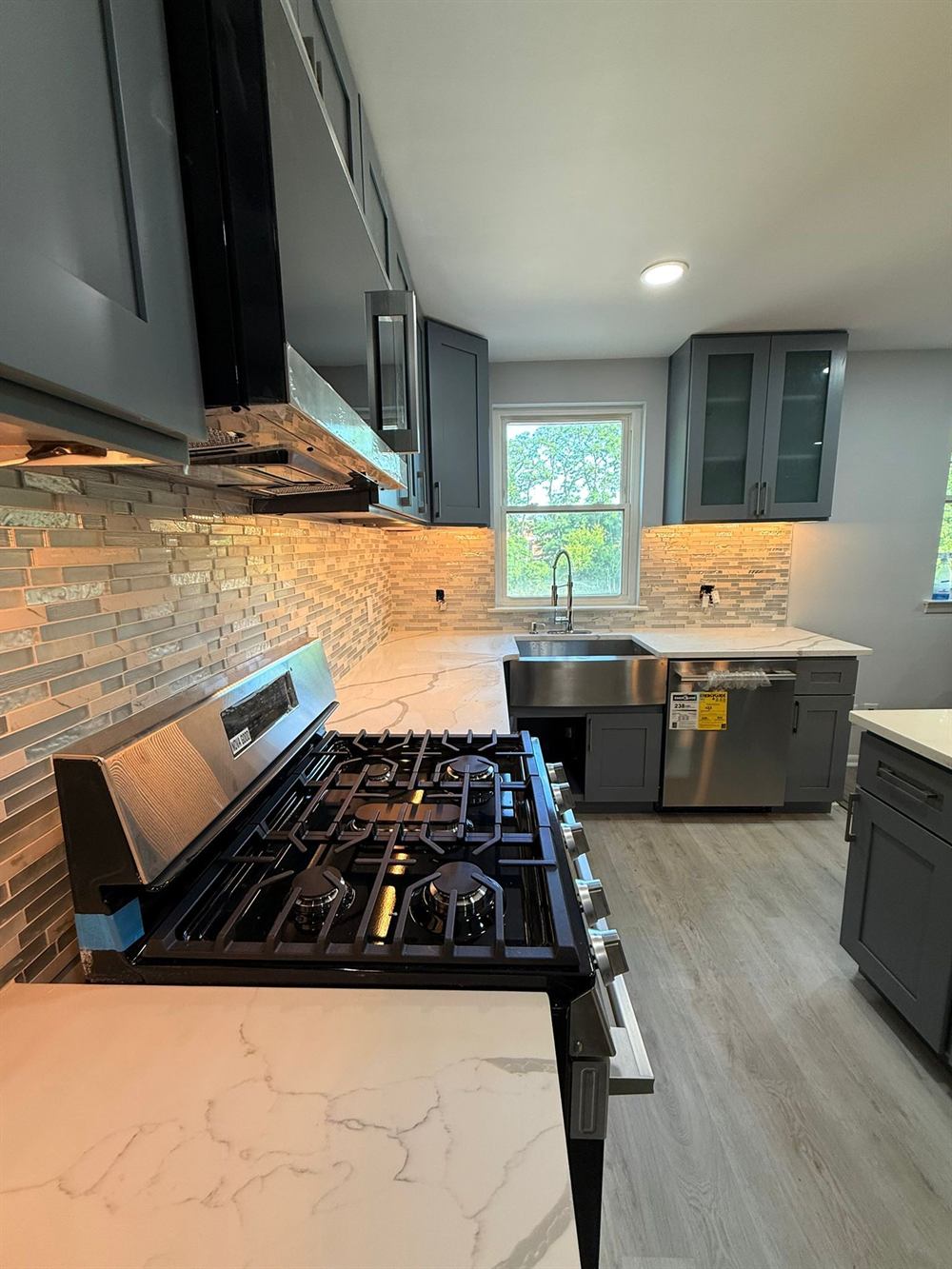
Homeowners in neighborhoods throughout Philadelphia increasingly seek ways to update their kitchens without sacrificing the character that makes these properties special. The good news is that small kitchen renovation projects can deliver dramatic improvements in both usability and aesthetics when approached with the right design principles.
Understanding the Unique Layout of Philadelphia Row House Kitchens
Traditional Philadelphia row houses were built with narrow floor plans, typically ranging from 12 to 16 feet wide. Kitchens in these homes were often placed at the rear of the property, sometimes extending into a small addition or back porch enclosure. This creates distinct spatial challenges:
- Limited counter space for food preparation
- Narrow walkways that restrict movement
- Insufficient storage for modern appliances and cookware
- Awkward door placements leading to backyards or basement stairs
- Low ceilings or unusual angles in older construction
Before beginning any renovation, homeowners should carefully measure existing dimensions and identify structural elements that cannot be moved, such as load-bearing walls, plumbing stacks and exterior doors. This assessment forms the foundation for realistic design planning.
Smart Layout Strategies for Compact Urban Kitchens
The layout determines how efficiently a small kitchen functions. Several proven configurations work particularly well in narrow Philadelphia row house spaces:
Galley Kitchen Optimization
A galley layout places cabinets and appliances along two parallel walls, creating a natural workflow. This design works exceptionally well in narrow row houses because it maximizes linear storage and counter space. Key considerations include:
- Maintaining a minimum 36-inch clearance between facing cabinets for comfortable movement
- Positioning the sink and cooktop on opposite walls to create an efficient work triangle
- Installing shallow upper cabinets on one side to prevent the space from feeling cramped
- Using light colors and reflective surfaces to enhance the sense of openness
Single-Wall Configuration
For extremely narrow spaces, a single-wall kitchen places all appliances, sink and storage along one wall. While this requires careful planning to maintain functionality, it can free up valuable floor space for a small dining area or additional workspace. Success depends on strategic appliance selection and vertical storage solutions.
L-Shaped Layouts with Peninsula
When row house kitchens open into dining areas or have slightly wider dimensions, an L-shaped layout with a peninsula can provide additional counter space and create a natural separation between cooking and living zones. The peninsula also offers opportunity for casual seating without requiring a separate dining table.
For comprehensive guidance on planning your kitchen transformation, including layout selection and design principles, explore our complete guide to kitchen renovation in Philadelphia.
Storage Solutions That Maximize Every Inch
Storage represents the single biggest challenge in small kitchen renovation projects. Philadelphia row house kitchens demand creative solutions that utilize often-overlooked spaces:
Vertical Storage Expansion
Taking cabinets all the way to the ceiling adds significant storage capacity without consuming floor space. Upper cabinets that extend to nine or ten feet capture otherwise wasted vertical real estate. Install pull-down shelf systems or use step stools to access higher storage for items used less frequently.
Deep Drawer Systems
Replace traditional lower cabinets with deep drawer units that provide easier access and better organization. Deep drawers accommodate pots, pans and small appliances while eliminating the need to crouch and reach into back corners. Drawer dividers and inserts keep contents organized and visible.
Corner Cabinet Solutions
Corner spaces often become black holes in small kitchens. Lazy Susan turntables, pull-out corner organizers and diagonal corner cabinets transform these awkward areas into functional storage. While these specialized cabinets may require slightly higher investment, they dramatically improve accessibility.
Toe-Kick Drawers
The four-inch space beneath base cabinets typically serves no purpose. Installing shallow toe-kick drawers in this area creates storage for flat items like baking sheets, cutting boards and placemats. This innovation adds storage without affecting the visual footprint.
Wall-Mounted Storage
Open shelving, magnetic knife strips, hanging pot racks and rail systems with S-hooks keep frequently used items accessible without consuming precious cabinet space. Strategic wall-mounted storage also adds visual interest and displays attractive cookware or dishware.
Pro Tip: In small kitchens, every item should have a designated home. During renovation planning, inventory your cookware, appliances and pantry items to ensure adequate storage is designed for your actual needs.
Appliance Selection for Limited Space
Standard appliances often overwhelm small kitchens. Fortunately, manufacturers now offer apartment-sized and compact options designed specifically for urban spaces:
Refrigeration Options
Consider counter-depth refrigerators that align with cabinet fronts, creating a streamlined appearance and preserving walkway space. Apartment-sized refrigerators measuring 24 inches deep work well in extremely tight layouts. For couples or small families, compact European-style refrigerators provide adequate storage in a smaller footprint.
Cooking Appliances
Ranges are available in 20-inch and 24-inch widths instead of the standard 30-inch size. Slide-in models create a built-in appearance and eliminate the gap between counters. Some homeowners opt for separate cooktops and wall ovens to distribute heat sources and create more flexible layouts.
Dishwasher Integration
Eighteen-inch dishwashers fit into spaces where standard models cannot. Drawer-style dishwashers offer flexibility and can be installed at convenient heights. In extremely limited spaces, portable or countertop dishwashers provide functionality without permanent installation.
Microwave Placement
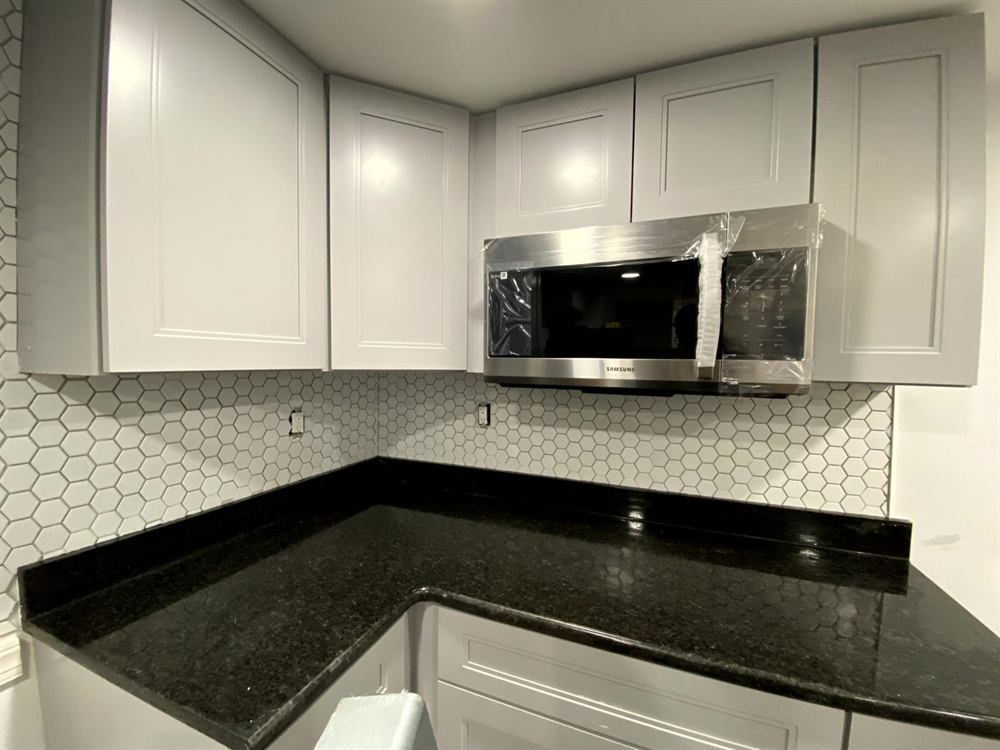
Freeing up counter space requires creative microwave solutions. Over-the-range microwaves with integrated ventilation eliminate the need for separate range hoods. Built-in microwave drawers install beneath countertops, preserving upper cabinet space. Trim kits allow countertop models to be built into cabinets for a custom appearance.
Working with experienced professionals ensures appliance selections match both spatial constraints and lifestyle needs. Our kitchen renovation team helps Philadelphia homeowners navigate these decisions with practical recommendations based on years of local experience.
Design Choices That Visually Expand Small Spaces
Strategic design selections can make compact kitchens feel significantly larger and more inviting:
Color and Finish Selection
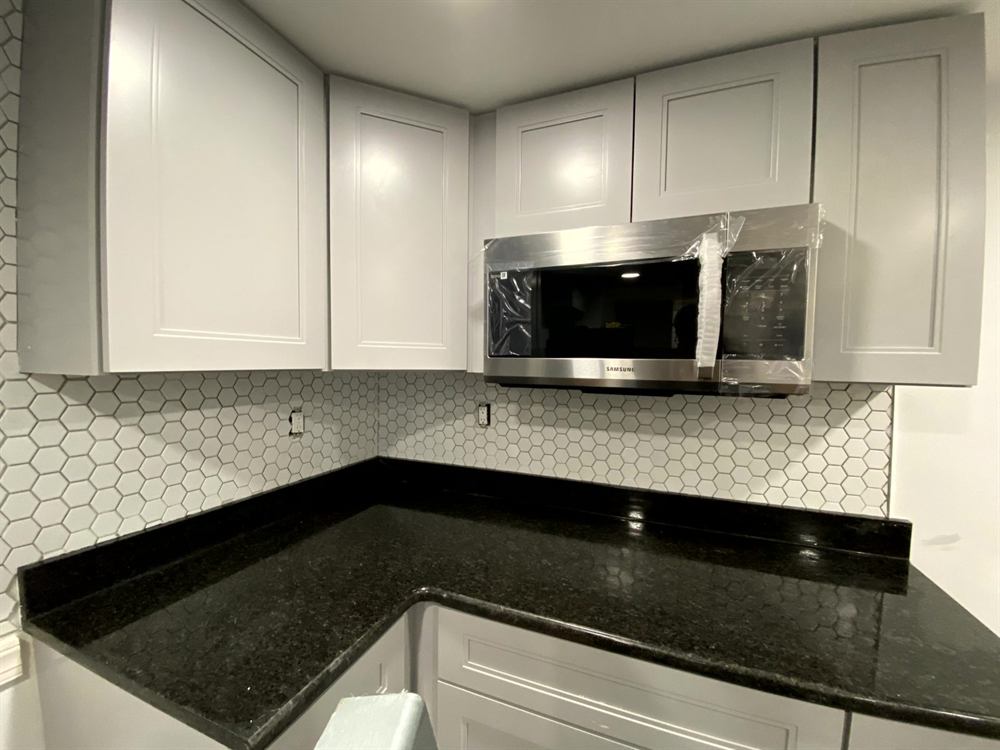
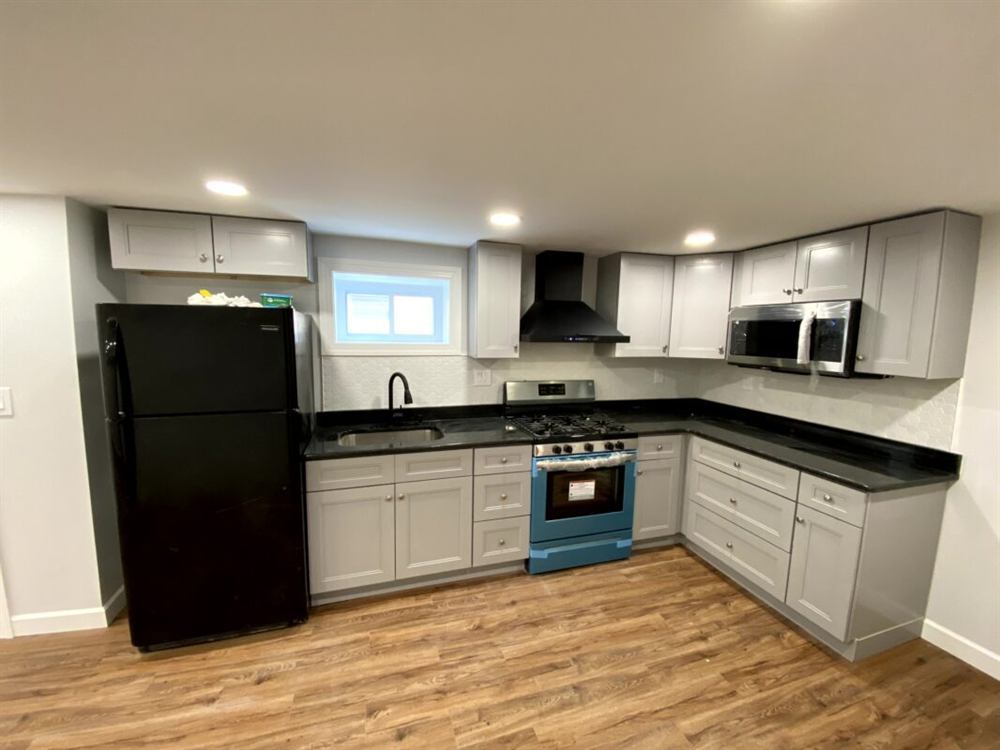
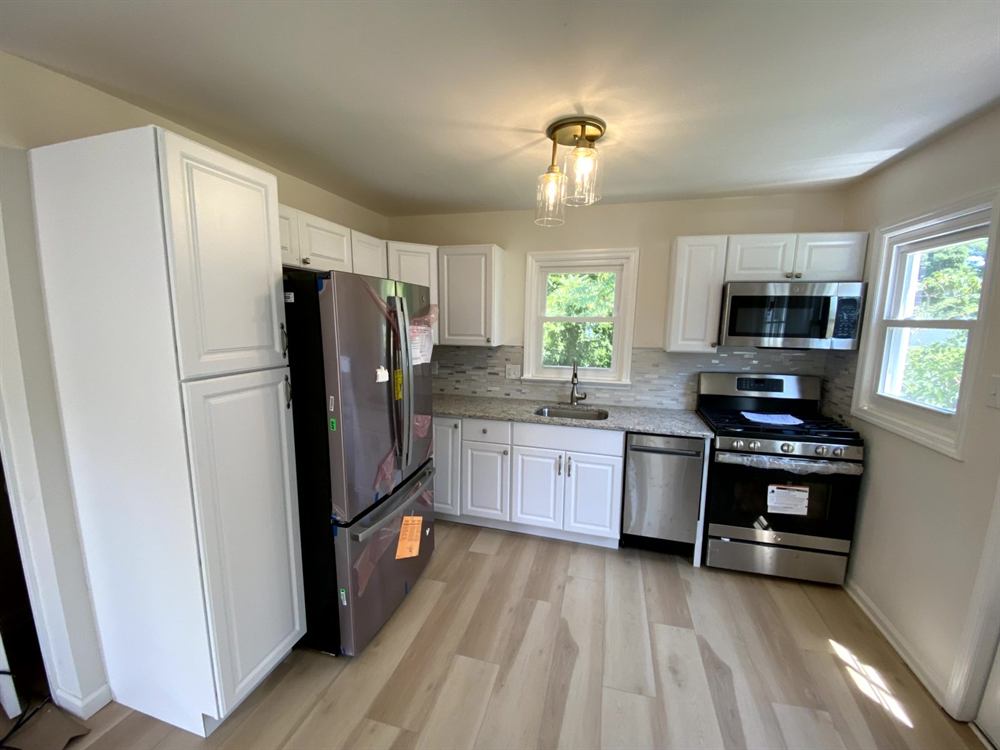
Light, neutral colors reflect light and create the perception of spaciousness. White, soft gray, pale blue and warm beige work exceptionally well in small Philadelphia kitchens. High-gloss cabinet finishes and glass tile backsplashes bounce light around the room. However, all-white schemes can feel sterile, matte finishes or wood tones on lower cabinets add warmth while maintaining brightness overall.
Lighting Layers
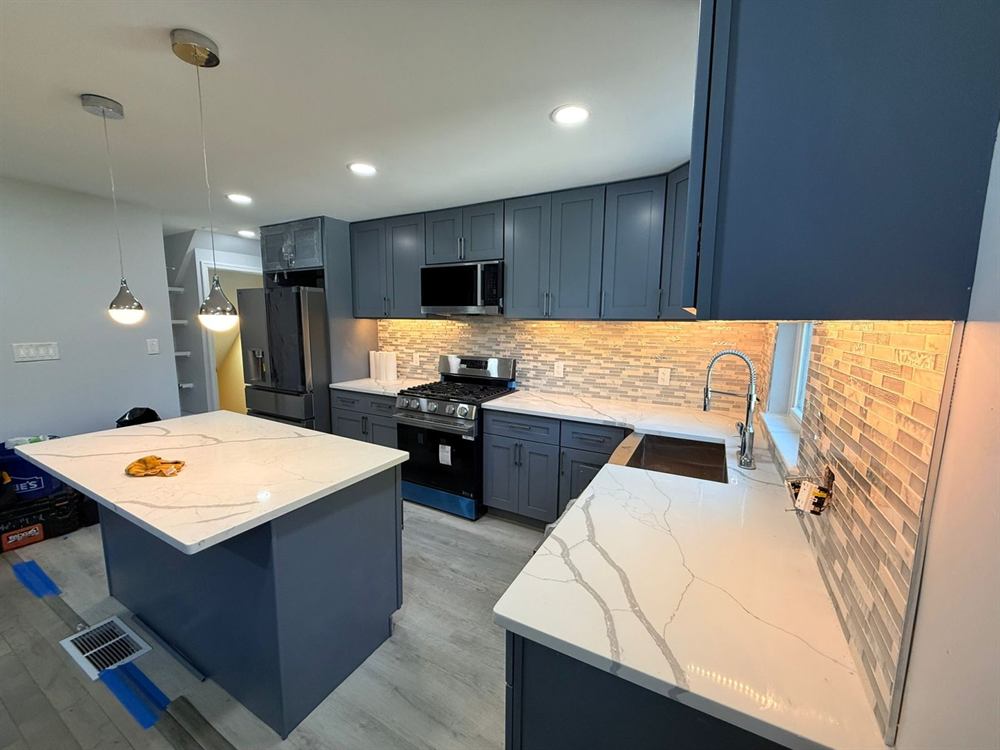
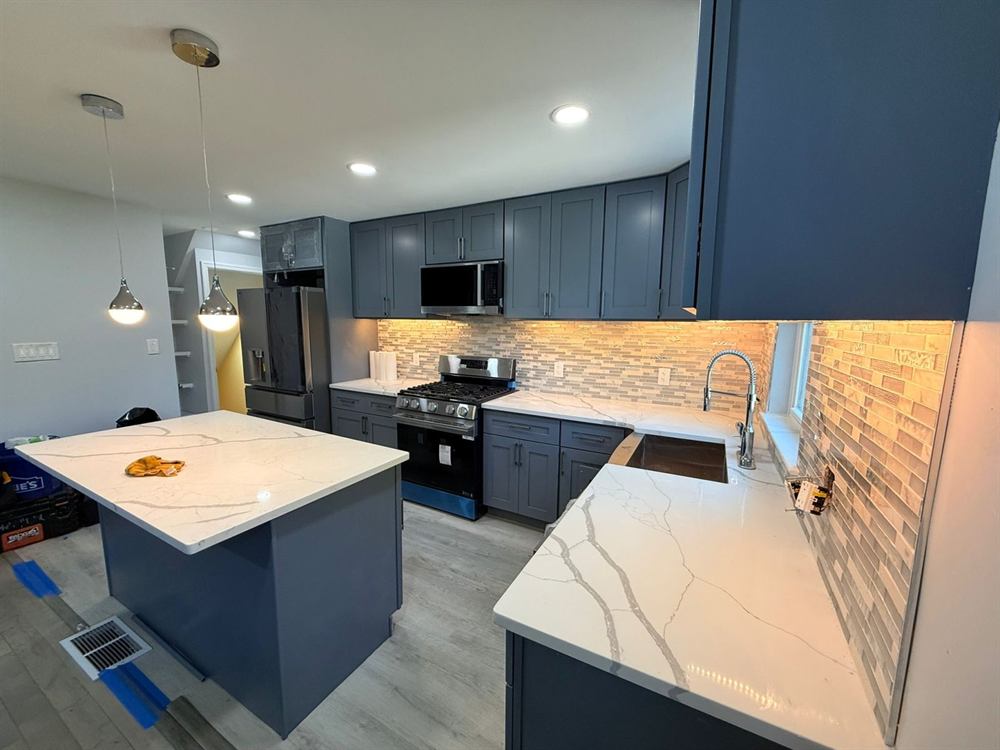
Adequate lighting transforms small spaces. Layer ambient ceiling fixtures with under-cabinet task lighting and accent lights to eliminate shadows and dark corners. Recessed lighting maintains clean ceiling lines, while pendant lights over peninsulas or small islands add character without consuming space. Consider installing dimmer switches to adjust lighting based on time of day and activity.
Backsplash and Countertop Continuity
Minimizing visual breaks creates the impression of larger surfaces. Extending countertop material up the wall as a backsplash eliminates the transition line. Alternatively, select backsplash tiles in colors that closely match countertops. Large-format tiles with minimal grout lines appear more expansive than busy patterns with heavy grout contrast.
Glass and Reflective Surfaces
Glass-front upper cabinets create depth perception while displaying attractive dishware. Mirrored backsplashes, while less common, can dramatically expand visual space in galley kitchens. Stainless steel appliances and polished chrome fixtures contribute reflective surfaces that enhance brightness.
Flooring Considerations
Flooring direction affects spatial perception. Running flooring lengthwise in narrow spaces makes them appear longer. Large-format tiles or wide plank flooring minimizes grout lines and seams, creating visual continuity. Our flooring installation services include guidance on material selection and pattern placement to optimize small kitchen aesthetics.
Budgeting for Small Kitchen Renovations in Philadelphia
Contrary to popular assumption, small kitchens do not automatically mean lower renovation expenses. Limited space presents unique challenges that can require custom solutions, and per-square-foot material usage remains similar to larger projects.
Philadelphia homeowners should expect professional small kitchen renovations to require moderate to significant investment depending on scope and finishes. Factors affecting total expenditure include:
- Extent of structural modifications or wall removal
- Plumbing and electrical upgrades required by updated building codes
- Quality and style of cabinets selected
- Countertop material choices
- Appliance selections and whether existing hookups can be reused
- Flooring material and installation complexity
- Lighting fixture quantity and quality
Setting realistic expectations early in the planning process prevents frustration and ensures the final result meets both functional needs and aesthetic preferences. Experienced contractors provide detailed estimates that account for Philadelphia-specific factors like row house construction methods and urban access challenges.
Working with a licensed and insured team like Reliable Home Remodeling ensures transparent communication about project scope and associated investment throughout the planning process.
Navigating Philadelphia Building Codes and Permits
Kitchen renovations in Philadelphia require proper permits, particularly when work involves electrical, plumbing or structural modifications. The city’s Department of Licenses and Inspections oversees residential renovation permits.
Common permit requirements include:
- Electrical permits for new circuits, outlet additions or lighting modifications
- Plumbing permits when relocating sinks or adding new water lines
- Building permits for structural changes, including wall removal or window installations
- Mechanical permits if HVAC modifications affect the kitchen space
Licensed contractors handle permit applications and coordinate required inspections, ensuring work meets current Philadelphia building codes. This protects homeowners from potential issues during future home sales and ensures renovations are performed safely and to professional standards.
Timeline Expectations for Compact Kitchen Projects
Small kitchen renovations typically require four to eight weeks from project start to completion, depending on scope and complexity. Factors affecting timeline include:
- Custom cabinet manufacturing and delivery schedules
- Availability of selected appliances and materials
- Extent of demolition and preparation work required
- Complexity of plumbing and electrical modifications
- Permit review and inspection scheduling
- Unforeseen conditions discovered during demolition
Philadelphia row houses sometimes reveal unexpected challenges when walls are opened, including outdated wiring, plumbing issues or structural concerns that require attention before proceeding with finish work. Experienced contractors build contingency time into project schedules to accommodate these situations without causing significant delays.
During renovation, kitchens become unusable, so Philadelphia homeowners should plan temporary cooking arrangements. Setting up a makeshift kitchen in another room with a microwave, toaster oven and coffee maker helps maintain normalcy during construction.
Common Mistakes to Avoid in Small Kitchen Renovation
Learning from others’ experiences helps Philadelphia homeowners avoid costly errors:
Insufficient Counter Space Planning
In small kitchens, every inch of counter matters. Eliminating too much counter space for additional storage or oversized appliances creates frustration during meal preparation. Maintain adequate landing zones beside the cooktop, sink and refrigerator for safe and efficient cooking.
Overlooking Traffic Flow
Door swings, appliance door clearances and cabinet access all require careful planning in compact layouts. A refrigerator door that blocks the entire kitchen when open or a dishwasher that prevents passage during loading creates daily annoyance. Mock up layouts with tape on floors to test clearances before finalizing plans.
Choosing Trendy Over Timeless
Bold color choices and ultra-modern finishes may feel exciting initially but can quickly date a kitchen or limit appeal to future buyers. Philadelphia row houses benefit from designs that respect their historic character while incorporating contemporary functionality. Classic cabinetry styles, neutral palettes and quality materials deliver lasting satisfaction.
Neglecting Ventilation
Proper ventilation is critical in small kitchens where cooking odors and moisture concentrate quickly. Range hoods should vent to the exterior when possible rather than recirculating filtered air. Adequate ventilation also protects cabinets and finishes from grease buildup and moisture damage.
DIY Attempts Beyond Skill Level
While some renovation tasks suit capable homeowners, plumbing, electrical and structural work require professional expertise and proper permitting. Mistakes in these areas create safety hazards and may require expensive correction. Professional contractors also complete work more efficiently, reducing the time homeowners live without functional kitchens.
Working with Experienced Philadelphia Remodeling Professionals
The success of small kitchen renovation projects depends heavily on contractor selection. Philadelphia homeowners should seek licensed and insured professionals with specific experience in urban row house renovation.
Key factors when evaluating contractors include:
- Valid Philadelphia business licenses and proper insurance coverage
- Portfolio demonstrating successful small kitchen projects
- References from previous clients in similar properties
- Clear communication and detailed written estimates
- Transparent timelines and project management processes
- Understanding of Philadelphia building codes and permit requirements
Reliable Home Remodeling brings years of experience transforming compact Philadelphia kitchens into functional, beautiful spaces. Our team understands the unique challenges of row house construction and delivers quality craftsmanship backed by consistent five-star reviews from local homeowners.
From initial consultation through final walkthrough, we maintain organized work practices and clear communication, ensuring renovation projects proceed smoothly even in tight urban settings. Our comprehensive remodeling services address every aspect of kitchen transformation, from design planning to final installation.
Bringing Your Small Kitchen Vision to Life
Philadelphia row houses and townhomes offer wonderful urban living, and their compact kitchens need not limit culinary enjoyment or entertaining possibilities. With thoughtful planning, strategic design choices and experienced professional execution, even the smallest cooking space can become a functional and attractive heart of the home.
Smart layout optimization, creative storage solutions, appropriately sized appliances and design elements that enhance spatial perception combine to transform cramped, outdated kitchens into efficient modern spaces. Whether your row house kitchen measures 70 square feet or 150, professional renovation can dramatically improve both daily functionality and long-term property value.
Ready to explore the possibilities for your compact Philadelphia kitchen? Contact Reliable Home Remodeling to schedule a consultation. Our team will assess your space, discuss your goals and provide a detailed estimate for transforming your small kitchen into the functional, beautiful space you deserve.
Frequently Asked Questions
How much does it typically involve to renovate a small row house kitchen in Philadelphia?
Small kitchen renovations in Philadelphia vary widely based on scope, materials and finishes selected. Factors include cabinet quality, countertop materials, appliance choices, extent of plumbing or electrical work and whether structural modifications are needed. A licensed contractor can provide detailed estimates after assessing your specific space and discussing your goals. Investment in professional renovation typically delivers significant returns through improved functionality and increased property value.
Can I remove walls to make my row house kitchen larger?
Wall removal depends on whether the wall is load-bearing or simply a partition. Many Philadelphia row houses have load-bearing walls that cannot be removed without significant structural reinforcement involving steel beams and proper engineering. Non-load-bearing partition walls offer more flexibility. A licensed contractor or structural engineer can assess your specific situation and recommend safe options. All structural modifications require proper permits and inspections.
What is the best cabinet color for a small kitchen?
Light, neutral colors work best in compact kitchens because they reflect light and create a sense of spaciousness. White, soft gray, pale blue and warm cream are popular choices. However, incorporating some contrast prevents the space from feeling sterile. Consider light upper cabinets with slightly darker lower cabinets, or add warmth through wood tones on an island or peninsula. The best choice balances personal preference with spatial enhancement principles.
How long will I be without a functional kitchen during renovation?
Most small kitchen renovations require four to eight weeks, during which the space is largely unusable. Timeline depends on project scope, custom cabinet delivery schedules, permit requirements and whether unexpected conditions are discovered during demolition. Your contractor should provide a detailed timeline during planning. Setting up a temporary kitchen in another room with basic appliances helps maintain daily routines during construction.
Do I need permits for kitchen renovation in Philadelphia?
Most kitchen renovations require permits from Philadelphia’s Department of Licenses and Inspections, particularly when work involves electrical, plumbing or structural modifications. Even seemingly minor changes like adding outlets or moving plumbing fixtures require proper permitting. Licensed contractors handle permit applications and coordinate required inspections, ensuring work meets current building codes. Proper permitting protects homeowners and ensures renovations can be documented during future home sales.