How to Live Through a Kitchen Renovation Without Losing Your Mind
In summary
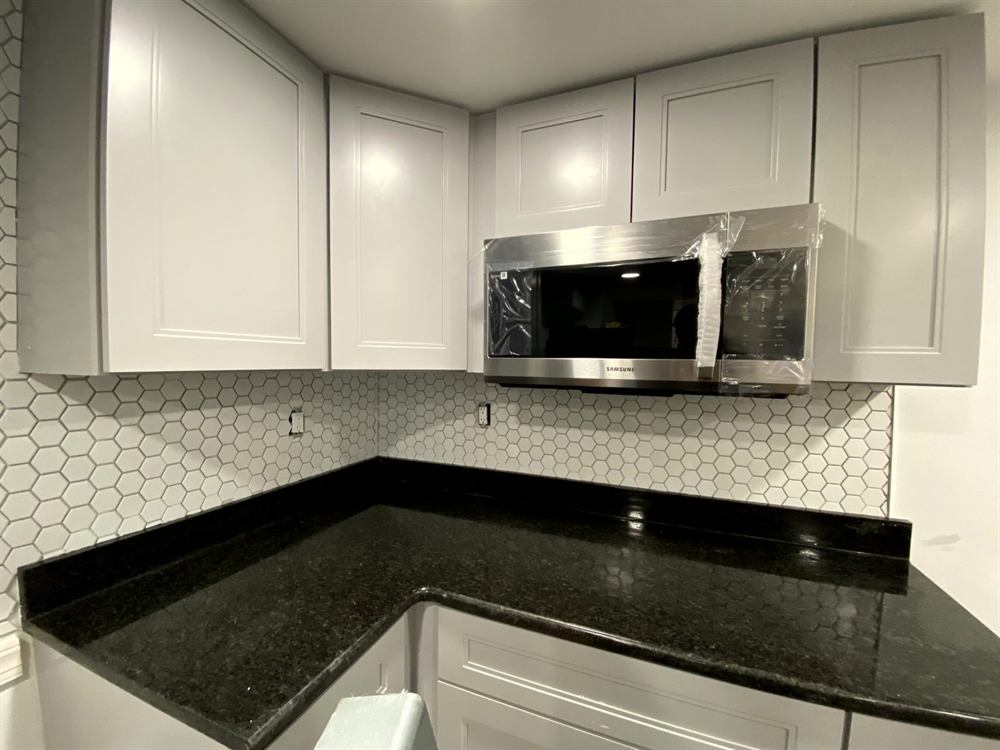
- A functional temporary kitchen with essential equipment and organized supplies is the foundation of renovation survival, reducing daily stress and maintaining routine.
- Strategic meal planning combining slow cooker meals, batch cooking, and selective restaurant use prevents budget drain while ensuring adequate nutrition during the renovation period.
- Managing family stress through maintained routines, designated sanctuary spaces, and clear communication with contractors protects mental health throughout the disruptive process.
A kitchen renovation ranks among the most rewarding home improvement projects, but it also represents one of the most disruptive experiences a family can face. For weeks or even months, the heart of your home becomes a construction zone. The refrigerator sits in the dining room, meals emerge from a microwave perched on a folding table, and the daily question shifts from ‘what’s for dinner?’ to ‘where can we even cook dinner?’
The good news is that thousands of Philadelphia homeowners successfully navigate kitchen remodeling projects every year without losing their sanity. The difference between those who thrive and those who barely survive comes down to preparation, realistic expectations, and a few strategic adjustments to daily routines.
Set Realistic Expectations Before Work Begins
The foundation of surviving a renovation starts with understanding what lies ahead. Many homeowners underestimate the scope of disruption, imagining they will simply eat out more often or make do with minimal cooking. Reality proves far more challenging.
A typical kitchen remodel takes four to eight weeks for standard projects, with more extensive renovations extending to three months or longer. During this time, your home experiences dust, noise, contractor foot traffic, and the complete loss of your primary cooking and cleaning space.
Project Timeline Reality: Even well-planned renovations encounter delays. Material deliveries run late, hidden structural issues emerge, and inspections require rescheduling. Build a buffer of at least two weeks beyond the estimated completion date when planning your coping strategies.
Before demolition day arrives, walk through the renovation timeline with your contractor. Identify which days will produce the most dust, when plumbing and electrical systems go offline, and how long you will function without a sink or refrigerator. This information allows you to plan accordingly rather than react in crisis mode.
Create a Functional Temporary Kitchen
The temporary kitchen becomes your lifeline during renovation. A well-organized setup makes the difference between manageable inconvenience and daily frustration.
Essential Temporary Kitchen Equipment
- Microwave: Your primary cooking appliance during renovation
- Electric kettle: Fast hot water for coffee, tea, instant meals, and cleaning
- Slow cooker or instant pot: Enables real meal preparation without a stove
- Toaster oven: Handles small baking tasks and reheating
- Mini-refrigerator: Stores essentials if your main unit needs relocation
- Portable cooler with ice: Backup cold storage for overflow items
- Folding table: Work surface for meal prep and equipment placement
- Dish tubs: Two large plastic tubs for washing and rinsing without a sink
Designate a room adjacent to your kitchen as the temporary cooking zone. Dining rooms work well because they typically include electrical outlets and enough space for equipment. Basements serve as alternatives if they offer adequate ventilation and access to water sources.
Set up your temporary kitchen at least three days before demolition begins. Test all equipment, ensure outlets handle the electrical load, and organize supplies so everything stays within easy reach. This trial run reveals gaps in your setup before you lose access to your real kitchen.
Organize Your Temporary Space Efficiently
Group items by function just as you would in a permanent kitchen. Keep cleaning supplies together, designate a specific area for food storage, and create a dedicated prep zone. Use stackable bins and clear containers to maximize limited space while keeping contents visible.
Store frequently used items at arm’s reach. Place your most-used dishes, utensils, and pantry staples on the folding table or in easily accessible bins. Less critical items can occupy lower shelves or corners of the temporary space.
Master the Art of Meal Planning During Renovation
Traditional cooking becomes impossible during a kitchen remodel, but strategic meal planning prevents the expense and unhealthy habits that come from eating every meal at restaurants.
Meal Strategies That Work
Breakfast solutions: Stock individual yogurt cups, granola bars, fresh fruit, and instant oatmeal. An electric kettle provides hot water for oatmeal, and a toaster oven handles frozen breakfast items. Prepare overnight oats in mason jars the night before for a no-cook morning meal.
Lunch approaches: Rely on sandwiches, prepared salads from grocery stores, and leftovers from dinner. Keep bread, deli meat, and cheese in your temporary refrigerator. Pre-cut vegetables and hummus offer healthy snacking options that require no cooking.
Dinner planning: Embrace slow cooker meals that require minimal prep and cook unattended. Throw ingredients in before work, return to a ready meal. Instant pots reduce cooking time while maintaining the hands-off convenience. Sheet pan meals prepared in a toaster oven work for smaller portions.
Batch Cooking Strategy: In the weeks before renovation, prepare and freeze complete meals. Lasagna, soups, casseroles, and marinated proteins all freeze well. Reheat these meals in your microwave or slow cooker throughout the renovation period.
Strategic Restaurant Use
Eating out provides welcome relief from temporary kitchen limitations, but daily restaurant meals quickly drain budgets and offer limited nutritional value. Balance restaurant visits with home preparation.
Schedule restaurant meals for the most disruptive renovation days. When contractors pour concrete, refinish cabinets with strong fumes, or perform dusty demolition, leave the house entirely. These planned outings double as necessary breaks from construction chaos.
Explore takeout options that provide multiple meals. Order larger portions than usual, refrigerate half, and reheat the next day. Many restaurants offer family-style meals designed for sharing that cost less per serving than individual entrees.
Manage Daily Living Around Construction
The physical renovation work creates ongoing challenges beyond meal preparation. Dust, noise, and constant activity test patience and disrupt normal routines.
Protect Your Home and Belongings
Professional contractors contain work areas with plastic sheeting, but dust inevitably migrates. Seal off adjacent rooms with additional plastic barriers and tape. Place towels along the bottom of doors to prevent dust infiltration.
Remove or cover furniture, artwork, and electronics in rooms adjacent to the kitchen. Renovation dust penetrates farther than expected, settling on surfaces throughout the home. Protect valuable items or relocate them to distant rooms for the duration.
Establish a shoe removal zone at your entrance. Contractors tracking through your home introduce dirt and debris. A simple mat and shoe storage area near the door minimizes this issue.
Coordinate with Contractors Effectively
Clear communication with your remodeling team prevents frustration and keeps the project moving smoothly. Establish a daily check-in time to discuss progress, address concerns, and adjust plans as needed.
Designate one family member as the primary contact person. Multiple people providing direction creates confusion and contradictory instructions. Your contractor needs a single source for decisions and approvals.
Respect that construction zones pose safety hazards. Keep children and pets away from work areas. Establish clear boundaries and explain that tools, materials, and unfinished work present dangers.
For homeowners seeking comprehensive guidance on the entire remodeling process, our complete guide to kitchen renovation in Philadelphia covers everything from initial planning through final completion.
Maintain Your Mental Health Throughout the Process
The psychological toll of living through renovation often exceeds the physical inconvenience. Noise, disruption, mess, and loss of routine create stress that accumulates over weeks.
Establish Routines That Work
Maintain as much normalcy as possible. Keep regular sleep schedules, continue exercise routines, and preserve family rituals even if they require modification. A sense of routine provides stability amid chaos.

Designate one room as a renovation-free sanctuary. Your bedroom, a home office, or a living area remains off-limits to construction mess and activity. This clean, quiet space offers refuge when the rest of your home feels overwhelming.
Schedule regular breaks from the house. Plan weekend day trips, visit friends or family, or simply spend afternoons at local parks. Physical distance from ongoing construction provides mental relief and fresh perspective.
Manage Family Stress
Renovation stress affects everyone in the household differently. Children struggle with disrupted routines and unfamiliar chaos. Partners experience tension over decisions, budgets, and daily inconveniences.
Acknowledge that irritability and short tempers come with the territory. Recognize stress symptoms early and address them directly. Extra patience, clear communication, and shared problem-solving prevent minor frustrations from escalating into serious conflicts.
Involve family members in small decisions when appropriate. Choosing cabinet hardware or paint colors gives everyone ownership in the project and transforms renovation from something happening to you into something you create together.
Handle Common Renovation Challenges
Despite thorough planning, unexpected situations arise during every remodeling project. Anticipating common problems and having backup plans minimizes their impact.
Water and Plumbing Disruptions
Kitchen renovations typically require temporary water shutoffs during plumbing work. Fill large containers with water before scheduled shutoffs for drinking, washing hands, and cleaning dishes. Keep disposable plates and utensils available for days when dishwashing becomes impossible.
If your kitchen sink connects to your home’s main water line, shutoffs may affect bathrooms as well. Contractors typically restore water by day’s end, but prepare for full-day outages with filled containers and adjusted hygiene routines.
Timeline Extensions
Nearly every renovation runs longer than initially estimated. Material delays, permit issues, and discovered problems extend timelines despite everyone’s best intentions.
When contractors inform you of delays, ask for specific reasons and revised completion estimates. Understanding the cause helps you adjust expectations and make necessary accommodations. Maintain perspective: a few extra days of inconvenience matters little compared to decades of enjoying a well-executed kitchen.
Budget Surprises
Hidden issues behind walls, outdated electrical systems requiring upgrades, and homeowner-initiated changes all increase costs beyond original estimates. Maintain a contingency fund equal to 15 to 20 percent of your renovation budget for these inevitable surprises.
When faced with unexpected expenses, discuss options with your contractor. Some issues require immediate attention for safety or code compliance. Others allow postponement or alternative solutions that reduce costs.
Prepare for the Final Stages
As renovation nears completion, the finish line comes into view. The final weeks bring their own challenges and emotions.
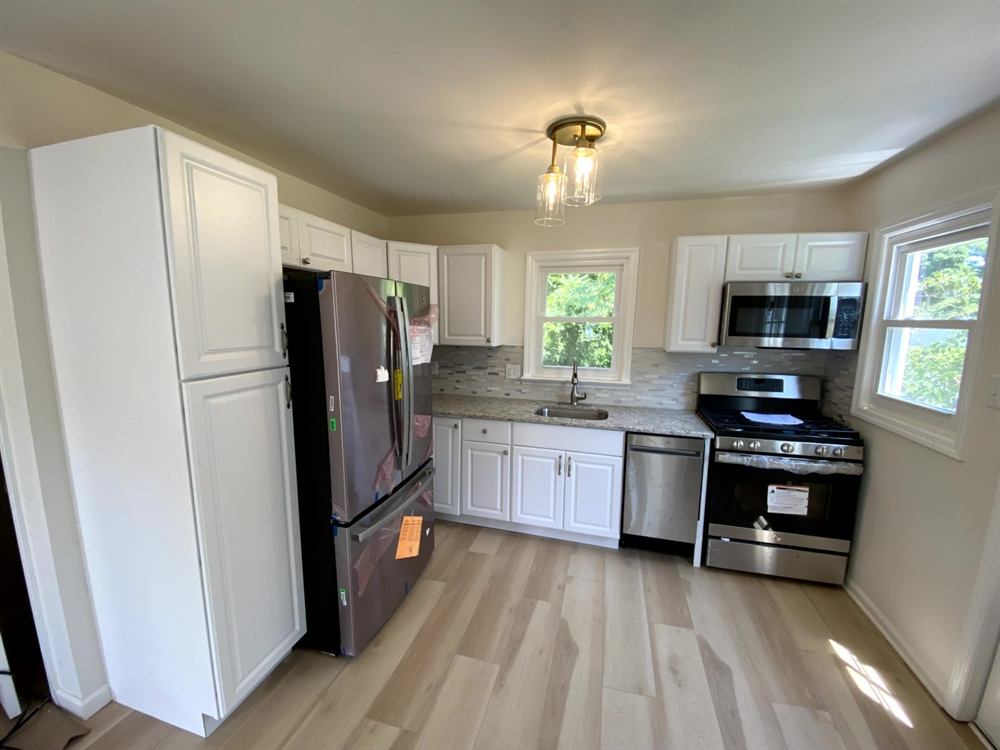
Patience During Punch List Completion
The punch list comprises small final tasks: touch-up paint, hardware adjustment, and detail work. These items seem minor compared to major demolition and installation phases, but they require time and attention.
Resist the urge to rush contractors through final details. Quality finishing work distinguishes professional results from mediocre outcomes. Patient attention to punch list items ensures your kitchen remodeling project concludes with the excellence you envisioned.
Deep Cleaning Before Use
Construction leaves behind dust and debris that standard cleaning cannot address. Professional deep cleaning before you resume normal kitchen use removes construction residue from every surface, cabinet interior, and appliance.
Wipe down all cabinet interiors before loading them with dishes and food. Clean appliances inside and out. Wash the floor multiple times to remove fine dust particles that initial cleaning misses. This thorough approach prevents construction debris from contaminating food and cooking surfaces.
Celebrate Your Success
Completing a kitchen renovation represents a significant achievement. You survived weeks of disruption, made countless decisions, solved problems, and adapted to challenging circumstances. Your new kitchen stands as tangible proof of your perseverance and vision.
Host a casual gathering to christen your new space. Invite friends and family who supported you through the process. Cook a special meal using all your new appliances and surfaces. These celebrations mark the transition from renovation survival mode back to normal life.
Document your experience in a journal or photo collection. Future renovations benefit from lessons learned during this project. Recording challenges you overcame and solutions that worked creates a valuable reference for your next home improvement endeavor.
Looking beyond kitchen projects, homeowners often discover renovation success inspires additional improvements. Bathroom renovation projects frequently follow successful kitchen remodels, as families gain confidence in their ability to live through temporary disruption for long-term gains. Similarly, whole house renovation becomes more approachable once you have mastered the art of renovation survival.
Frequently Asked Questions
How long does a typical kitchen renovation take from start to finish?
A standard kitchen renovation takes four to eight weeks for most projects involving cabinet replacement, countertop installation, and appliance updates. More extensive renovations that include structural changes, electrical upgrades, or plumbing relocation extend to eight to twelve weeks. Complex whole-kitchen redesigns with custom elements can require three months or longer. Timeline accuracy improves when contractors conduct thorough pre-construction assessments and homeowners make material selections before demolition begins.
What is the single most important survival strategy during a kitchen remodel?
Establishing a functional temporary kitchen before demolition begins represents the most critical survival strategy. This dedicated space with essential cooking equipment, organized supplies, and proper setup eliminates daily scrambling for basic needs. Homeowners who invest time in creating an efficient temporary kitchen consistently report lower stress levels and greater satisfaction throughout the renovation process compared to those who improvise daily.
Should we stay in our home during a major kitchen renovation or temporarily relocate?
Most families successfully remain in their homes during kitchen renovations lasting six to eight weeks. The temporary inconvenience and cost savings of staying home outweigh short-term hotel expenses for typical projects. However, households with infants, elderly family members with health sensitivities, or individuals who work from home in noise-sensitive professions benefit from temporary relocation during the loudest demolition and construction phases. Evaluate your specific circumstances, family needs, and tolerance for disruption when making this decision.
How do we prevent renovation dust from spreading throughout the entire house?
Professional contractors install plastic sheeting barriers between work zones and living areas, but homeowners should reinforce these measures with additional barriers at doorways leading away from the kitchen. Seal gaps around doors with painter’s tape, place rolled towels along door bottoms, and close HVAC vents in the renovation area to prevent dust circulation through air systems. Run air purifiers with HEPC filters in adjacent rooms, and establish a strict shoe removal policy for anyone entering from the construction zone. Despite these precautions, expect some dust migration and plan for thorough cleaning once the project completes.
What renovation phases cause the most disruption to daily living?
Demolition days create the highest noise levels, dust production, and general chaos. Plumbing work that shuts off water to the kitchen and potentially other areas ranks second in disruption severity. Cabinet installation, flooring work, and final painting phases prove relatively manageable. Electrical upgrades occasionally require whole-house power shutoffs for safety during panel work. Understanding when these disruptive phases occur allows families to plan accordingly, scheduling time away from home, arranging temporary accommodations for sensitive family members, or preparing with extra patience and flexibility.