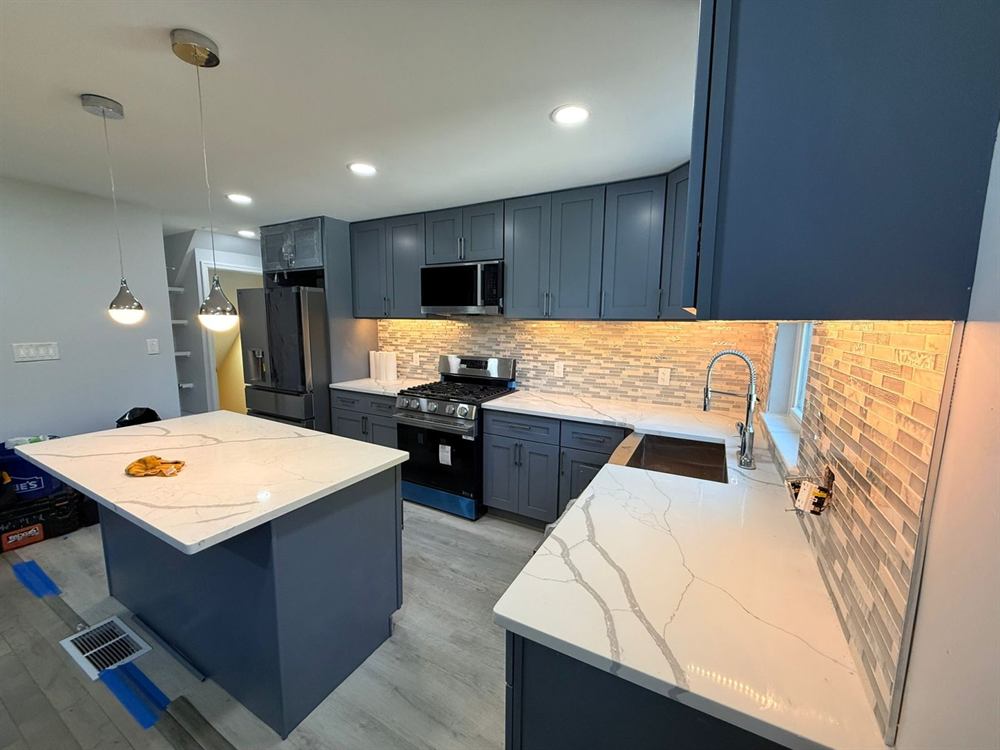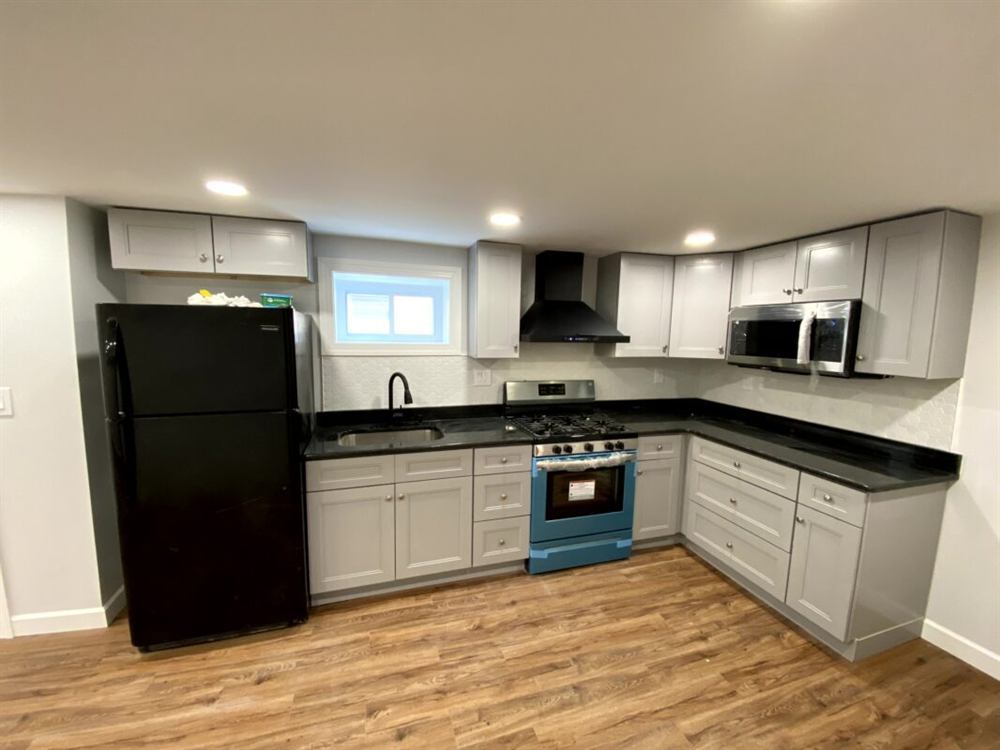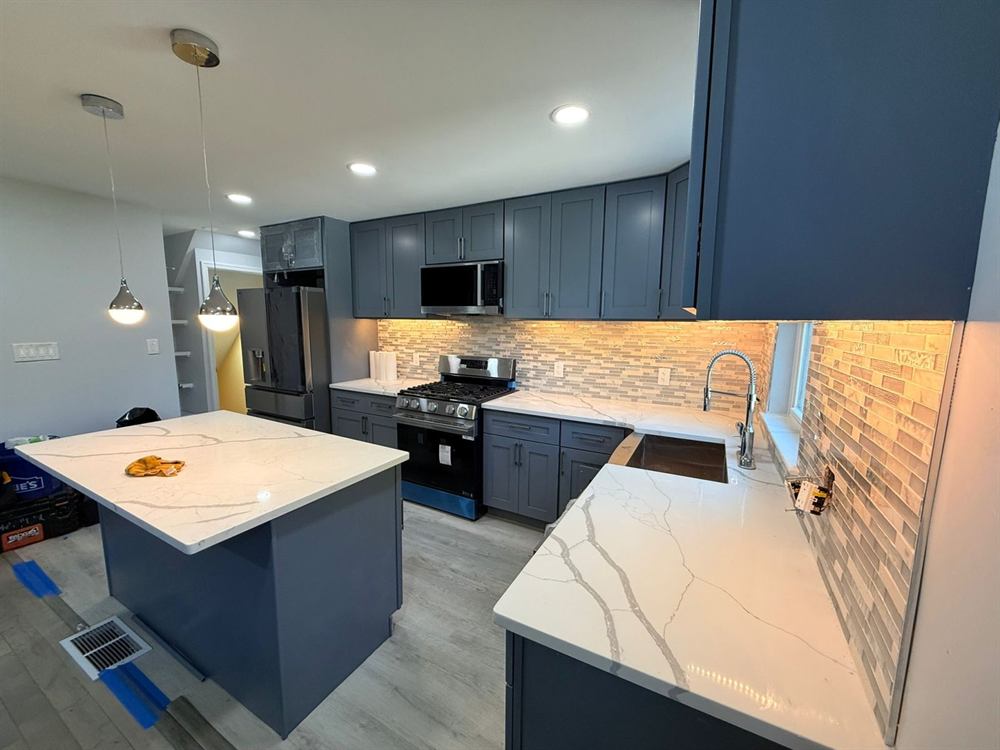
Modern Kitchen Design Trends in Philadelphia for 2026
In summary
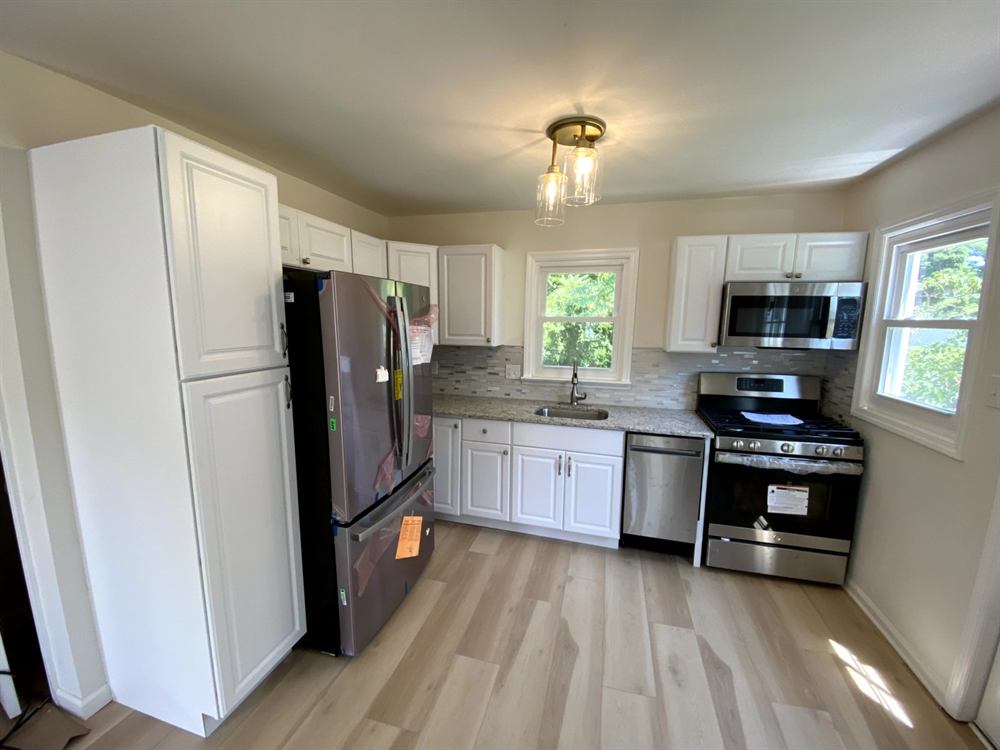
- Modern kitchen design in 2026 emphasizes clean minimalist aesthetics, smart technology integration, and sustainable material choices that create functional spaces suited to contemporary Philadelphia living.
- Key elements include flat-panel cabinetry, open flexible layouts, mixed metal finishes, and layered lighting strategies that balance task functionality with ambient atmosphere.
- Successful modern renovations balance current trends with timeless design principles, prioritize quality materials, and work with experienced professionals familiar with Philadelphia building requirements and architectural character.
Philadelphia kitchens are evolving rapidly as homeowners seek spaces that combine contemporary aesthetics with enhanced functionality. The modern kitchen design landscape for 2026 reflects broader shifts toward sustainability, technology integration, and flexible layouts that accommodate diverse lifestyles. Whether preparing for a full transformation or considering targeted updates, understanding these emerging trends helps homeowners make informed decisions that balance current preferences with lasting value.
Modern design principles emphasize clean lines, intentional material selection, and spaces that work as hard as they look. Philadelphia homeowners increasingly prioritize kitchens that serve multiple functions beyond meal preparation, creating environments suitable for remote work, family gatherings, and entertaining. The following trends represent the intersection of design innovation and practical living requirements specific to the Philadelphia market in 2026.
Key Elements Defining Modern Kitchen Design in 2026
Several core elements distinguish modern kitchen spaces from traditional approaches. These characteristics work together to create cohesive environments that feel both current and timeless.
Minimalist Cabinetry and Hardware
Flat-panel cabinet doors with minimal ornamentation dominate modern kitchen aesthetics. Handle-less cabinetry using push-to-open mechanisms or integrated pulls maintains clean visual lines while improving functionality. This approach reduces visual clutter and creates a streamlined appearance that makes spaces feel larger and more organized.
Cabinet finishes in 2026 favor matte textures over high-gloss surfaces, with neutral palettes including warm grays, soft whites, and natural wood tones. Two-tone cabinetry remains popular, typically pairing lighter upper cabinets with darker base units to create visual interest without overwhelming the space.
Open and Flexible Layouts
The traditional kitchen triangle continues to evolve into more flexible work zones that accommodate multiple users simultaneously. Open floor plans connecting kitchens to adjacent living areas remain highly desired among Philadelphia homeowners, particularly in rowhomes and traditional properties where structural modifications can transform compartmentalized spaces into flowing environments.
Islands serve as central hubs in modern layouts, incorporating seating areas, storage solutions, and sometimes secondary sinks or cooking surfaces. These multifunctional elements define spaces without creating physical barriers, maintaining visual connection between cooking and living areas.
Smart Technology Integration
Connected appliances and integrated technology represent significant shifts in modern kitchen functionality. Smart refrigerators with internal cameras, inventory tracking, and recipe suggestions streamline meal planning. Touchless faucets, voice-activated lighting systems, and app-controlled appliances enhance convenience while supporting accessibility needs.
Charging stations integrated into cabinetry or islands address the reality of device-dependent households, eliminating countertop clutter while keeping technology accessible. Under-cabinet lighting with adjustable color temperatures supports various tasks and moods throughout the day.
Design Insight: Smart home integration works best when planned during initial design phases rather than added afterward. Proper electrical infrastructure and connectivity planning ensure seamless technology implementation without visible retrofitting.
Material Trends Shaping Philadelphia Kitchens
Material selection significantly impacts both the aesthetic and functional performance of modern kitchens. Current trends reflect growing environmental awareness alongside desire for distinctive, personalized spaces.
Sustainable and Eco-Friendly Options
Philadelphia homeowners increasingly prioritize sustainable materials that minimize environmental impact without compromising durability or appearance. Recycled glass countertops, reclaimed wood elements, and low-VOC finishes address health and environmental concerns while creating unique visual character.
Bamboo and cork flooring offer renewable alternatives to traditional hardwood, providing warmth underfoot while supporting sustainability goals. These materials perform well in kitchen environments when properly sealed and maintained, offering longevity comparable to conventional options.
Natural Stone and Engineered Surfaces
Quartz countertops maintain their position as preferred work surfaces due to their combination of durability, low maintenance requirements, and design versatility. Unlike natural stone, engineered quartz resists staining and requires no periodic sealing, making it practical for busy households.
Natural stone backsplashes featuring marble, slate, or limestone create focal points and introduce organic texture. When used in backsplash applications rather than high-wear work surfaces, these materials provide visual impact without the maintenance concerns associated with countertop installations.
Mixed Metal Finishes
The rule requiring matching metal finishes throughout kitchens has evolved considerably. Modern designs successfully incorporate mixed metals that create layered, curated appearances. Matte black faucets might pair with brushed brass cabinet hardware and stainless steel appliances, provided the overall palette maintains intentional cohesion rather than appearing accidental.
This approach allows homeowners to highlight specific elements and create visual interest through contrast. Warm metals like brass and copper bring inviting character to otherwise cool minimalist spaces, while chrome and nickel maintain sleek contemporary aesthetics.
Color Palettes and Finishes for 2026
Color selection establishes mood and influences perceived space in kitchen environments. Current trends balance neutral foundations with strategic accent opportunities.
Neutral Bases with Bold Accents
White, gray, and beige remain foundational colors in modern kitchen design, providing versatile backgrounds that accommodate changing accent preferences over time. These neutral palettes maximize natural light reflection, particularly valuable in Philadelphia rowhomes where window placement may limit direct sunlight exposure.
Bold accent colors appear in easily updated elements like bar stools, pendant lighting, or small appliances rather than permanent fixtures. This strategy allows homeowners to refresh spaces without undertaking major renovations when preferences evolve.
Warm Minimalism
The stark white kitchens of previous decades are giving way to warmer minimalist approaches that maintain clean aesthetics while introducing inviting character. Creamy whites, warm grays with beige undertones, and natural wood elements create spaces that feel sophisticated without appearing cold or sterile.
This trend responds to increasing time spent at home and desire for environments that support both productivity and relaxation. Layered lighting with warm color temperatures reinforces this approach, creating ambiance beyond purely functional illumination.
Nature-Inspired Tones
Earth tones including terracotta, sage green, and warm browns appear in modern kitchens through tile selections, painted accent walls, or natural material choices. These biophilic design elements create psychological connections to natural environments, promoting calm and well-being in spaces that often serve as household nerve centers.
When incorporating nature-inspired colors, restraint maintains modern aesthetics. A single accent wall, strategically placed tile, or natural wood open shelving introduces these tones without overwhelming minimalist principles.
Lighting Design in Modern Kitchens
Lighting serves both functional and aesthetic purposes in contemporary kitchen design. Layered approaches provide flexibility for various activities and times of day.
Layered Lighting Strategies
Effective modern kitchens incorporate multiple lighting types working together: ambient lighting for overall illumination, task lighting for work surfaces, and accent lighting highlighting architectural features or design elements. This layered approach creates depth and allows customization based on specific activities.
Recessed ceiling fixtures provide ambient light without visual intrusion, maintaining clean ceiling planes central to minimalist aesthetics. Under-cabinet LED strips illuminate countertops for food preparation while creating appealing indirect glow during evening hours.
Statement Pendant Fixtures
Over islands and dining areas, pendant lighting introduces personality and serves as sculptural focal points. Contemporary designs range from industrial metal shades to organic woven materials, with selections reflecting overall design direction and homeowner preferences.
Scale matters significantly in pendant selection. Fixtures should provide adequate illumination without overwhelming the space or obstructing sight lines across open floor plans. Generally, pendants work best when hung 30 to 36 inches above counter surfaces.
Natural Light Maximization
Philadelphia rowhomes and traditional structures may face limitations regarding window placement, making natural light optimization particularly valuable. Removing upper cabinets near windows, using glass-front cabinet doors, and selecting reflective surfaces amplify available daylight.
Skylights or solar tubes represent more substantial modifications that dramatically transform darker kitchens, particularly in center-city properties where neighboring buildings limit side window effectiveness. When structural conditions permit, these additions justify their investment through improved ambiance and energy efficiency.
Storage Solutions for Modern Living
Contemporary storage approaches prioritize accessibility and organization while maintaining visual simplicity. Modern cabinetry incorporates sophisticated internal systems that maximize usable space.
Hidden and Integrated Storage
Concealed storage maintains clean visual lines essential to modern aesthetics. Appliance garages hide small countertop devices, pull-out pantries maximize narrow spaces, and integrated refrigerators maintain uniform cabinet facades. Toe-kick drawers utilize previously wasted space for flat items like baking sheets or cutting boards.
Deep drawer systems with organizational inserts replace traditional lower cabinets in many modern kitchens, improving accessibility and visibility of stored items. These configurations reduce bending and searching compared to conventional cabinet-and-shelf arrangements.
Open Shelving Considerations
While open shelving creates opportunities for display and maintains visual openness, it requires ongoing maintenance and thoughtful curation. Strategic open shelving works best when limited to specific zones rather than replacing all upper cabinetry, providing visual interest while retaining practical enclosed storage elsewhere.
Successful open shelving displays balance aesthetics with functionality, featuring frequently used items arranged with intentional spacing and cohesive color coordination. This approach prevents the cluttered appearance that undermines modern design principles.
Appliance Trends and Integration
Appliance selection significantly impacts both kitchen functionality and visual cohesion. Current trends emphasize integration and specialized functionality.
Panel-Ready and Integrated Appliances
Panel-ready refrigerators and dishwashers accept custom cabinet panels that match surrounding cabinetry, creating seamless appearances where appliances virtually disappear. This integration approach epitomizes modern design philosophy, eliminating visual disruption while maintaining full functionality.
While integrated appliances typically carry premium pricing, they deliver proportional value in cohesive aesthetics particularly important in open floor plans where kitchens remain constantly visible from living areas.
Professional-Style Ranges
Restaurant-quality ranges with multiple burners, griddles, and high BTU output appeal to serious home cooks while making bold design statements. Professional-style appliances in stainless steel or custom colors become focal points that establish kitchen character and signal priorities.
These appliances require appropriate ventilation systems, often necessitating powerful range hoods that themselves become design features. Coordinating appliance finish with hood material and style maintains visual cohesion.
Specialty Appliances
Steam ovens, warming drawers, and wine refrigerators reflect evolving cooking habits and entertainment priorities. Specialty appliances integrate into modern kitchens when space planning accommodates them without compromising primary work zones or creating cramped conditions.
For Philadelphia homeowners, particularly those in properties with space constraints, prioritizing specialty appliances based on actual usage patterns rather than aspirational habits ensures investments deliver ongoing value.
Connecting to Complete Planning Resources
Understanding modern design trends represents one component of successful kitchen renovation planning. Comprehensive project success requires balancing aesthetic preferences with practical considerations including budget, timeline, and structural requirements specific to Philadelphia properties.
Working with experienced professionals familiar with local building requirements, historical property considerations, and regional material availability helps translate design preferences into achievable realities. This expertise proves particularly valuable when adapting modern aesthetics to traditional Philadelphia architecture, ensuring updates feel intentional rather than incongruous.
Implementing Trends Without Overspending
Modern design principles need not require unlimited budgets. Strategic prioritization and phased implementation make contemporary aesthetics accessible across various investment levels.
High-Impact, Budget-Friendly Updates
Several modifications deliver substantial visual impact with moderate investment. Cabinet refacing or painting transforms existing cabinetry at a fraction of replacement expense, particularly when combined with updated hardware. New lighting fixtures, especially statement pendants and under-cabinet LED systems, dramatically alter ambiance and functionality with relatively contained budgets.
Backsplash replacement provides another high-impact opportunity, introducing contemporary materials and patterns that update entire spaces without disturbing major components. This approach works well for homeowners whose cabinets and appliances remain functional but whose overall aesthetic feels dated.
Phased Renovation Approaches
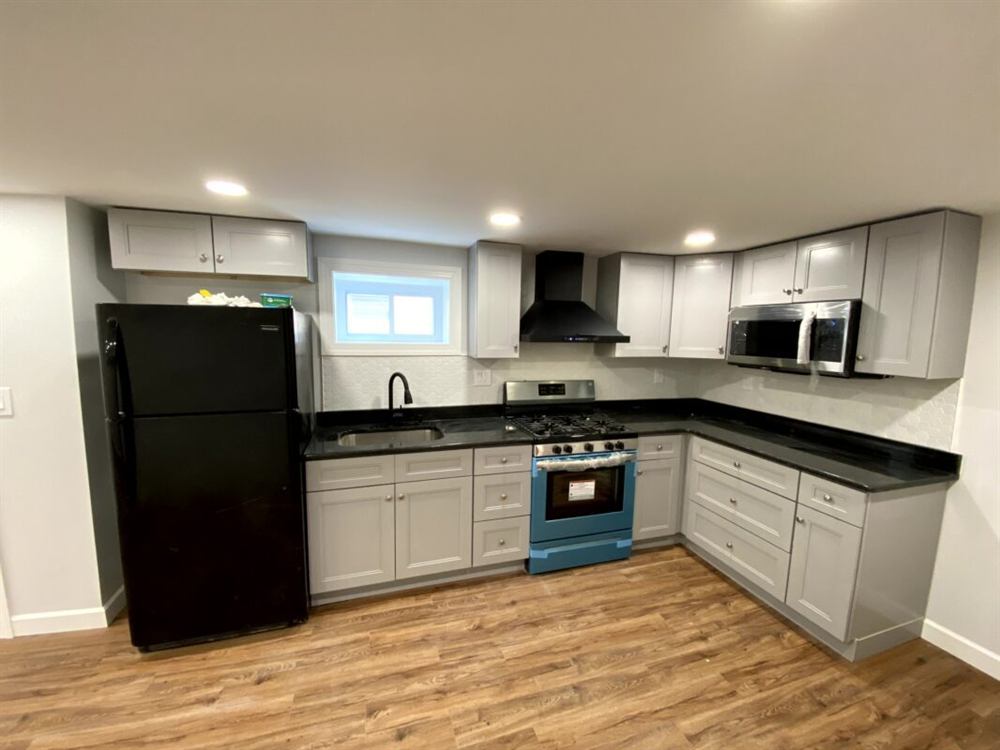
Dividing comprehensive renovations into strategic phases allows homeowners to spread investment over time while maintaining livable spaces throughout the process. Initial phases might address structural and functional priorities including layout modifications, electrical updates, and appliance replacement, with subsequent phases incorporating aesthetic refinements like backsplash installation or lighting upgrades.
This approach requires careful initial planning to ensure early phases don’t preclude or complicate later work. Professional guidance helps identify logical phase divisions that maintain project coherence while allowing flexible timing.
Working with Philadelphia’s Architectural Character
Modern kitchen design adapts successfully to diverse architectural contexts when approaches respect existing character while introducing contemporary functionality.
Rowhome Considerations
Philadelphia rowhomes present unique opportunities and constraints for kitchen remodeling. Narrow footprints benefit from galley layouts or single-wall configurations that maximize efficiency within limited width. Removing walls between kitchens and dining areas creates desired openness while maintaining structural integrity through proper engineering.
Natural light limitations in rowhome center sections make lighting design particularly crucial. Skylights, when feasible, transform dark kitchens into inviting spaces. Reflective surfaces and light color palettes amplify available illumination.
Historic Property Updates
Properties in historic districts or those with protected status require sensitivity to original architecture while accommodating modern functionality. Successful approaches often maintain period-appropriate elements in public-facing areas while introducing contemporary design in kitchens and other service spaces less visible from exteriors.
Where historic character extends throughout properties, modern updates work best when they complement rather than compete with existing features. Clean-lined cabinetry in classic proportions, high-quality natural materials, and restrained color palettes bridge historical and contemporary aesthetics.
Sustainability Beyond Material Selection
Modern kitchen design increasingly addresses environmental impact through multiple strategies beyond choosing eco-friendly materials.
Energy-Efficient Appliances and Systems
ENERGY STAR certified appliances reduce operating costs while minimizing environmental footprint. Induction cooktops offer superior energy efficiency compared to gas or traditional electric options, heating cookware directly rather than warming surrounding air. Modern refrigerators consume substantially less electricity than models from even a decade ago, making replacement a sound environmental and economic decision.
LED lighting throughout kitchens reduces energy consumption by 75 percent or more compared to incandescent alternatives while lasting significantly longer, reducing waste and replacement frequency.
Water Conservation Features
Low-flow faucets with aerators maintain perceived water pressure while reducing actual consumption. Water-efficient dishwashers clean effectively using less water than hand washing, particularly for full loads. These features accumulate meaningful savings over appliance lifespans while supporting broader conservation goals.
Longevity and Timeless Design
Perhaps the most sustainable design approach involves creating spaces with lasting appeal that resist rapid obsolescence. Classic modern elements that avoid extreme trendiness remain relevant longer, reducing pressure for frequent updates. Quality materials and construction ensure physical durability that extends useful life, minimizing replacement cycles and associated environmental impacts.
Professional Implementation Considerations
Translating design preferences into realized spaces requires coordination across multiple trades and careful project management. Professional guidance proves valuable throughout this process.
Design and Planning Services
Kitchen designers help homeowners navigate option selection, spatial planning, and material specification. Their expertise ensures functional layouts that optimize workflow while achieving aesthetic goals. Professional design services typically include detailed drawings, material specifications, and realistic renderings that clarify expectations before construction begins.
For complex projects involving structural modifications, designers coordinate with engineers and architects to ensure proposed changes meet safety requirements and building codes. This upfront investment prevents costly mid-project discoveries and changes.
Licensed Contractor Selection
Philadelphia requires licensed contractors for substantial renovation work. Selecting experienced professionals with demonstrated kitchen renovation expertise ensures quality execution and code compliance. Licensed and insured contractors provide important protections and accountability throughout projects.
Reviewing portfolios of completed work helps homeowners assess whether contractors’ aesthetic sensibilities and quality standards align with expectations. References from recent clients offer insights into communication styles, problem-solving approaches, and overall satisfaction.
Project Timeline Realities
Complete kitchen renovations typically require 6 to 12 weeks from demolition through final completion, depending on scope and complexity. Realistic timeline expectations reduce stress and allow appropriate planning for temporary kitchen arrangements during construction.
Material lead times significantly impact schedules, particularly for custom cabinetry or specialized appliances. Ordering long-lead items early in planning processes prevents delays once construction begins. Experienced contractors help homeowners navigate these logistics and identify potential scheduling challenges before they impact timelines.
Maintaining Modern Kitchens
Design selections should consider ongoing maintenance requirements to ensure spaces remain attractive and functional with reasonable effort.
Material Maintenance Requirements
Different materials demand varying maintenance levels. Quartz countertops require only routine cleaning with mild soap and water, while natural stone needs periodic sealing and more cautious cleaning product selection. Matte cabinet finishes hide fingerprints better than high-gloss alternatives but may show wear differently over time.
Understanding these requirements during selection processes helps ensure chosen materials align with household maintenance preferences and capabilities. Professional installers should provide specific care instructions for all materials incorporated into projects.
Appliance Care
Modern appliances benefit from regular maintenance that extends lifespan and maintains efficiency. Range hood filters require periodic cleaning or replacement, refrigerator coils need occasional vacuuming, and dishwasher filters should be inspected and cleaned monthly. These simple practices prevent performance degradation and costly repairs.
Smart appliances may require software updates to maintain functionality and security. Staying current with manufacturer recommendations ensures these investments continue performing as intended.
Regional Considerations for Philadelphia Homeowners
Local factors influence both design decisions and implementation approaches for kitchen renovations in the Philadelphia area.
Climate and Seasonal Factors
Philadelphia’s humid summers and cold winters affect material performance and comfort. Ventilation systems that effectively manage cooking humidity prevent moisture-related issues in cabinetry and finishes. Adequate heating ensures kitchens remain comfortable during winter months, particularly in older homes with less effective insulation.
Material selections should account for seasonal temperature and humidity fluctuations. Quality installation techniques including proper sealing and expansion gaps prevent problems as materials respond to environmental changes.
Local Material Availability
Philadelphia’s robust design and construction market provides excellent access to materials and products across price ranges. Local suppliers offer advantages in delivery logistics and support compared to distant sources, potentially reducing project timelines and transportation costs.
Established relationships between experienced contractors and local suppliers can benefit homeowners through preferential pricing, priority scheduling, and knowledgeable product recommendations based on proven regional performance.
Building Codes and Permits
Substantial kitchen renovations in Philadelphia require building permits and inspections. Code compliance ensures safety and protects property values, making professional guidance essential for projects involving electrical, plumbing, or structural modifications. Licensed contractors handle permit applications and coordinate required inspections as part of standard services.
Historical districts may impose additional requirements or restrictions that affect design options. Understanding these constraints early in planning prevents proposals that cannot receive approval.
Looking Ahead: Emerging Trends
While 2026 trends provide current guidance, emerging developments suggest future directions that forward-thinking homeowners may wish to consider.
Health and Wellness Focus
Kitchen design increasingly incorporates health-conscious features including enhanced air quality systems, touchless operation reducing surface contact, and layouts supporting healthier cooking habits. Dedicated spaces for meal preparation with proper lighting and ergonomic work heights encourage home cooking over processed food reliance.
Water filtration systems integrated into faucets or dedicated dispensers provide convenient access to purified water. These features reflect growing awareness of environmental contaminants and desire for healthier home environments.
Adaptable and Universal Design
Aging-in-place considerations and universal design principles create spaces accessible across life stages and abilities. Varied counter heights accommodate seated work, wide aisles allow wheelchair access, and lever-style hardware requires less dexterity than traditional knobs. These features benefit all users while ensuring spaces remain functional if mobility challenges develop.
Incorporating these elements during renovations proves far more cost-effective than retrofitting later. Even households without current accessibility needs benefit from thoughtful ergonomic design that reduces physical strain during routine tasks.
Continued Technology Evolution
Smart home integration will expand as devices become more intuitive and interconnected. Voice control, automation, and artificial intelligence will increasingly manage routine kitchen tasks, adjust lighting and temperature based on activities, and provide recipe guidance through integrated systems.
Infrastructure planning that accommodates future technology adoption without requiring major modifications positions kitchens to incorporate innovations as they mature and become more accessible.
Conclusion: Creating Your Modern Philadelphia Kitchen
Modern kitchen design for 2026 reflects sophisticated understanding of how spaces support contemporary living while honoring individual aesthetic preferences. Philadelphia homeowners benefit from balancing current trends with timeless principles, ensuring renovations deliver both immediate satisfaction and lasting value.
Successful projects begin with clear understanding of household priorities, realistic budget parameters, and appreciation for how design choices impact daily life. Whether pursuing complete transformations or targeted updates, working with experienced professionals ensures technical execution matches design vision.
The investment in kitchen renovation extends beyond financial considerations to encompass quality of life improvements, enhanced functionality, and increased home value. Modern design approaches create spaces that work as beautifully as they look, supporting the full spectrum of activities that make kitchens the true centers of home life.
Ready to bring modern design to your Philadelphia kitchen? Request a free estimate to discuss how current trends can transform your space into a functional, beautiful environment tailored to your lifestyle.
Frequently Asked Questions
What defines modern kitchen design compared to contemporary or traditional styles?
Modern kitchen design emphasizes clean lines, minimal ornamentation, and functional simplicity rooted in mid-century design principles. It typically features flat-panel cabinetry, neutral color palettes, integrated appliances, and uncluttered surfaces. Contemporary design refers to current trends that evolve continuously, while traditional styles incorporate decorative details, raised-panel doors, and ornate hardware. Modern aesthetics prioritize form following function, creating streamlined spaces that feel organized and intentional.
How much does it typically cost to update a kitchen with modern design elements in Philadelphia?
Kitchen renovation investment varies significantly based on scope, material selections, and spatial modifications. Minor updates including new hardware, lighting, and paint may require modest investment, while complete renovations with custom cabinetry, high-end appliances, and structural changes represent substantial commitments. Philadelphia market rates reflect regional labor and material availability. Working with licensed contractors provides detailed estimates based on specific project requirements, helping homeowners understand options across budget ranges and make informed decisions aligned with priorities.
Can modern design work in older Philadelphia homes with traditional architecture?
Modern kitchen design adapts successfully to traditional Philadelphia homes when approached thoughtfully. The key involves respecting existing architectural character while introducing contemporary functionality and aesthetics in appropriate areas. Clean-lined cabinetry in classic proportions, quality natural materials, and restrained color palettes bridge historical and modern sensibilities. Many homeowners successfully maintain period details in public spaces while embracing contemporary design in kitchens and service areas. Professional designers experienced with Philadelphia architecture help navigate this balance effectively.
What are the most important trends to prioritize for long-term value?
Trends offering lasting value emphasize quality over novelty. Durable materials like quartz countertops, solid wood or high-quality engineered cabinetry, and energy-efficient appliances provide ongoing benefits beyond aesthetic appeal. Functional layouts with adequate storage, effective lighting, and logical work zones remain valuable regardless of style evolution. Neutral color foundations with easily updated accent elements allow refreshing spaces without major renovation. Smart home infrastructure that accommodates future technology proves increasingly valuable as connected devices become standard.
How long does a complete modern kitchen renovation take in Philadelphia?
Complete kitchen renovations typically require 6 to 12 weeks from demolition through final completion, though timelines vary based on project complexity and scope. Factors affecting duration include structural modifications, custom cabinetry lead times, appliance availability, and permit processing. Experienced remodeling contractors provide realistic timelines during planning phases and help homeowners prepare for temporary kitchen arrangements during construction. Material ordering before construction begins prevents delays once work starts. Clear communication throughout projects helps manage expectations and address any timeline adjustments needed as work progresses.