The Complete Guide to Kitchen Renovation in Philadelphia for 2026
A kitchen renovation represents one of the most impactful home improvement projects a Philadelphia homeowner can undertake. Whether updating a traditional row home kitchen or transforming a suburban space into a modern culinary hub, the process demands careful planning, informed decision-making and collaboration with experienced professionals. This guide walks through every stage of the renovation journey, from initial planning to final walkthrough, with insights specific to Philadelphia homes and the local remodeling landscape.
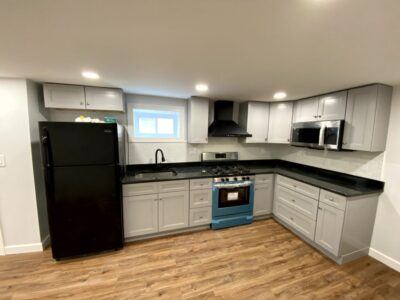
Philadelphia’s unique architectural character, from historic row houses to post-war ranches and contemporary builds, creates distinct challenges and opportunities in kitchen remodeling. Understanding these nuances early helps homeowners set realistic expectations, avoid common pitfalls and maximize both functionality and resale value.
Why Homeowners Choose Kitchen Renovation in 2026
The decision to renovate a kitchen stems from multiple motivations. Many Philadelphia homeowners face outdated layouts that no longer support modern cooking and entertaining habits. Galley kitchens common in row homes often lack counter space, storage and natural light. Older cabinets may show wear, appliances reach the end of functional life and finishes feel dated compared to contemporary design standards.
Beyond aesthetics, kitchen renovations address practical concerns. Inefficient layouts waste movement and time during meal preparation. Insufficient electrical capacity limits appliance options. Poor lighting creates safety hazards and makes tasks difficult. Water damage, outdated plumbing or structural issues sometimes necessitate comprehensive intervention rather than cosmetic updates.
Resale considerations also drive renovation decisions. Real estate data consistently shows that updated kitchens contribute significantly to home value and buyer appeal. For homeowners planning to sell within several years, a well-executed kitchen renovation often yields strong returns. For those staying long-term, the investment pays dividends in daily quality of life, functionality and enjoyment of the home’s central gathering space.
Understanding Kitchen Layouts for Philadelphia Homes
Layout decisions form the foundation of successful kitchen design. Philadelphia’s diverse housing stock means no single solution fits every home. Row homes present unique constraints with narrow footprints, limited natural light sources and bearing walls that restrict structural changes. Suburban homes often offer more flexibility but still require thoughtful space planning to optimize workflow and storage.
Common Layout Configurations
The galley layout, with parallel counters creating a corridor, appears frequently in Philadelphia row homes. This efficient design minimizes walking distance between work zones but can feel cramped without adequate width. Modern galley renovations often focus on maximizing vertical storage, improving lighting and selecting light-colored finishes to enhance perceived spaciousness.
L-shaped layouts occupy two adjacent walls, creating natural work triangles between sink, stove and refrigerator. This configuration works well in square or rectangular spaces and allows for dining areas or islands when square footage permits. Many Philadelphia renovations transform closed galley kitchens into L-shaped designs by removing non-structural walls to adjacent dining rooms.
U-shaped kitchens surround the cook with counters on three sides, providing ample workspace and storage. This layout suits medium to large kitchens and naturally creates efficient work triangles. However, in smaller Philadelphia row homes, U-shaped designs can feel confining without sufficient clearance between opposing counters.
Open concept layouts remove walls between kitchen and living spaces, creating unified entertaining areas. This approach has grown increasingly popular among Philadelphia homeowners seeking modern living patterns. Evaluating whether walls are load-bearing or contain critical utilities becomes essential when considering open layouts. Structural modifications require engineering assessment and proper permitting.
Work Triangle and Functional Zones
The classic kitchen work triangle connects refrigerator, sink and cooktop in an efficient path. While modern design sometimes departs from rigid triangle rules, the underlying principle of minimizing unnecessary movement between primary work areas remains valid. Effective kitchen planning considers how household members actually cook, clean and move through the space.
Beyond the core triangle, contemporary kitchens often incorporate distinct functional zones. Prep zones with cutting boards and tool storage concentrate meal preparation tasks. Cooking zones group stove, oven and related utensils. Cleaning zones center on the sink with dish storage and waste management nearby. Beverage stations separate coffee making and drink preparation from cooking activities. Thoughtful zone planning reduces congestion when multiple people work in the kitchen simultaneously.
Selecting Materials That Balance Style and Durability
Material choices profoundly impact both the aesthetic character and long-term performance of renovated kitchens. Philadelphia homeowners balance personal style preferences with practical considerations like durability, maintenance requirements and compatibility with household routines.
Cabinet Materials and Finishes
Cabinet selection represents a significant portion of renovation budgets and dramatically influences overall kitchen appearance. Solid wood cabinets offer timeless appeal, natural beauty and can be refinished multiple times over decades of use. Popular wood species include maple for its clean grain, oak for traditional character and cherry for rich tones that deepen with age.
Engineered wood products like plywood and MDF provide stable, cost-effective alternatives. High-quality plywood resists warping and holds hardware securely. MDF accepts paint finishes beautifully, creating smooth, uniform surfaces. Many cabinet manufacturers combine materials, using solid wood for doors and frames with plywood or MDF for cabinet boxes.
Finish selection affects both appearance and maintenance. Painted cabinets suit contemporary and transitional styles, allowing unlimited color options. Stained finishes showcase natural wood grain while still offering color variation. Glazed finishes add depth and dimension, particularly effective in traditional designs. Matte finishes hide fingerprints better than high-gloss options, an important consideration for busy households.
Countertop Comparisons
Countertop materials range from natural stone to engineered products, each with distinct characteristics. Understanding these differences helps homeowners make informed choices aligned with cooking habits, maintenance tolerance and design vision.
Quartz countertops combine crushed stone with resin binders, creating non-porous surfaces that resist staining and require minimal maintenance. Available in countless colors and patterns, quartz suits virtually any design aesthetic. The material’s consistency means large islands and continuous runs show no variation, unlike natural stone. Heat resistance is good though not unlimited, and seams remain visible in larger installations.
Granite remains popular for its natural beauty and proven durability. Each slab offers unique patterns and color variation. Properly sealed granite resists stains and withstands daily use. The material requires periodic resealing, typically annually, to maintain stain resistance. Heat tolerance is excellent, allowing hot pots directly on the surface.
Butcher block countertops bring warmth and organic character to kitchens. Wood surfaces are gentler on dishes and glassware than stone. The material requires regular oiling to maintain moisture resistance and appearance. Butcher block can be sanded and refinished, extending service life. However, wood is more vulnerable to water damage, staining and cutting marks than stone alternatives.
Solid surface materials offer seamless installations with integrated sinks and backsplashes. These products resist staining and allow repairs of scratches or damage. Color runs throughout the material rather than being a surface coating. Heat resistance is moderate, requiring trivets for hot cookware.
Flooring Installation Options
Kitchen flooring must withstand moisture, spills, dropped objects and constant foot traffic while complementing overall design. Philadelphia homeowners increasingly select flooring installation options that balance durability with aesthetic appeal.
Ceramic and porcelain tile offer water resistance, durability and limitless design possibilities. Porcelain’s denser composition provides superior moisture resistance and strength compared to standard ceramic. Tile installation requires proper substrate preparation and skilled labor but delivers decades of service. Grout lines need periodic sealing and cleaning to maintain appearance.
Luxury vinyl plank flooring combines realistic wood or stone appearance with practical benefits. Modern LVP products resist water, scratches and dents while providing comfortable underfoot feel. Installation can be floating or glued, often over existing floors. The material suits households with pets or active children seeking low-maintenance solutions.
Laminate flooring provides budget-friendly options that mimic wood or tile appearance. Quality varies significantly across products, with better grades offering improved wear resistance and moisture protection. Laminate installs quickly over most substrates. While not as water-resistant as tile or LVP, laminate suits kitchens with careful spill management.
Hardwood flooring brings natural warmth and can be refinished multiple times. However, wood’s moisture sensitivity makes it less ideal for kitchens than other areas. Homeowners choosing hardwood for open-concept spaces that include kitchens should select durable species and apply protective finishes. Quick spill cleanup becomes essential.
Appliance Selection and Integration
Modern appliances combine advanced functionality with energy efficiency and design integration. Philadelphia homeowners planning renovations consider how appliance choices affect daily cooking experiences, utility costs and overall kitchen aesthetics.
Standard Depth versus Counter Depth
Standard depth refrigerators extend several inches beyond typical counter depth, creating a protruding profile. These models maximize interior capacity, offering the most storage volume for their width. In smaller Philadelphia kitchens where every cubic foot matters, standard depth may be the practical choice despite aesthetic compromise.
Counter depth refrigerators align with surrounding cabinetry for streamlined appearance. The built-in look suits contemporary and transitional designs. However, reduced interior depth means less storage capacity compared to same-width standard models. Households with significant refrigeration needs may find counter-depth models limiting.
Gas versus Electric Cooktops
Cooking fuel preference influences both renovation planning and ongoing utility costs. Gas cooktops provide instant heat control and visual flame feedback preferred by many serious cooks. Philadelphia’s established natural gas infrastructure makes gas readily available in most areas. However, gas requires proper venting to remove combustion byproducts.
Electric cooktops, particularly induction models, offer precise temperature control and safety features. Induction cooking heats cookware directly through magnetic fields, leaving cooktop surfaces relatively cool. These systems require compatible cookware but provide energy efficiency and rapid heating. Standard electric coil or smooth-top models cost less than induction but heat more slowly.
Ventilation Requirements
Adequate kitchen ventilation removes cooking odors, smoke, moisture and combustion byproducts. Range hood selection depends on cooktop fuel type, kitchen size and ductwork feasibility. Ducted hoods exhaust air outside, providing most effective ventilation. Ductless hoods filter and recirculate air, suitable when external venting is impractical but less effective at moisture and combustion byproduct removal.
Hood capacity, measured in cubic feet per minute, should match cooktop output. Professional-style ranges require powerful ventilation. Philadelphia building codes specify minimum ventilation requirements for new installations. Renovation projects upgrading to more powerful cooking equipment may need enhanced ventilation capacity.
Lighting Design for Function and Ambiance
Effective kitchen lighting layers multiple sources to serve different purposes. Task lighting illuminates work surfaces for safe food preparation. Ambient lighting provides overall illumination for navigation and general activities. Accent lighting highlights architectural features or design elements.
Task Lighting Placement
Under-cabinet lighting eliminates shadows on countertops caused by overhead fixtures. LED strip lights provide even, energy-efficient illumination. Puck lights create focused pools of light but may show uneven distribution. Task lighting over islands and peninsulas requires pendant fixtures or recessed cans positioned to avoid shadows where people stand.
Sink areas need dedicated lighting for dish washing and food prep. A recessed can or pendant centered over the sink ensures adequate illumination. Cooktop areas benefit from hood-integrated lights or dedicated recessed fixtures.
Ambient and Accent Options
Recessed ceiling fixtures provide general ambient lighting. Proper spacing and placement prevent dark corners and shadows. Dimmer controls allow adjustment from bright task lighting to softer evening ambiance. In kitchens with higher ceilings, semi-flush or pendant fixtures may provide better light distribution than recessed cans.
Accent lighting showcases glass-front cabinets, open shelving or architectural details. LED strip lighting inside cabinets creates display case effects. Toe-kick lighting adds subtle night-time navigation without harsh overhead fixtures.
Working with Licensed Remodeling Professionals
Selecting qualified contractors represents one of the most critical decisions in kitchen renovation. Philadelphia homeowners should verify licensing, insurance and references before committing to any agreement. Licensed contractors understand local building codes, permitting requirements and proper installation techniques that ensure lasting results.
Vetting Contractors Thoroughly
Research begins with confirming proper licensing for remodeling work in Philadelphia. Legitimate contractors readily provide license numbers and proof of insurance coverage. General liability insurance protects homeowners if property damage occurs during work. Workers’ compensation coverage ensures homeowners aren’t liable if contractors or subcontractors are injured on the property.
References from recent projects similar in scope provide valuable insights into contractor performance. Speaking directly with past clients reveals information about communication, problem-solving, cleanliness and adherence to schedules and budgets. Visiting completed projects, when possible, allows homeowners to assess workmanship quality firsthand.
Online reviews complement but shouldn’t replace direct reference checks. Consistent patterns across multiple review platforms indicate reliable experiences. However, individual reviews may not capture the full picture. Established local contractors like Reliable Home Remodeling build reputations through years of quality work and client satisfaction reflected in five-star ratings.
Understanding Project Phases
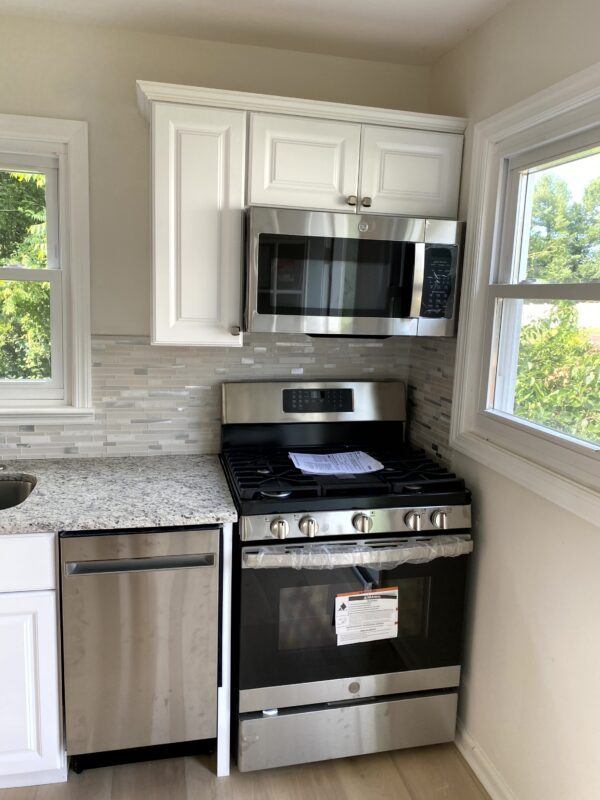
Professional kitchen renovations follow structured phases from initial consultation through final walkthrough. The design phase translates homeowner vision into specific plans, material selections and preliminary budgets. Contractors provide detailed proposals outlining scope of work, materials, timelines and payment schedules. Clear proposals prevent misunderstandings and establish mutual expectations.
The demolition phase removes existing cabinets, appliances, flooring and sometimes walls. Proper demolition protects elements staying in place and identifies hidden issues like outdated wiring, plumbing problems or structural concerns. Addressing these discoveries early prevents delays and budget overruns later.
Rough-in work updates plumbing, electrical and HVAC systems to support new layouts and modern appliances. This phase requires inspections before covering walls. Professional contractors coordinate inspection scheduling to maintain project momentum.
Installation of cabinets, countertops, appliances and finishes transforms the space. Proper sequencing prevents damage and ensures elements fit precisely. Experienced installers handle the inevitable field adjustments required when real-world conditions don’t perfectly match plans.
Final walkthrough verifies all work meets specifications and operates correctly. Homeowners inspect every detail, test all appliances and fixtures, and confirm satisfaction before final payment. Reputable contractors address any concerns promptly and stand behind their work.
Timeline Expectations for Kitchen Renovation Projects
Understanding realistic timelines helps Philadelphia homeowners plan temporary kitchen arrangements and set appropriate expectations. Multiple factors influence duration, including project scope, material availability, permitting requirements and contractor scheduling.
Typical Project Duration
Straightforward kitchen renovations maintaining existing layouts typically require six to eight weeks from demolition to completion. This assumes no major structural work, standard material selections with reasonable lead times and consistent contractor availability.
Projects involving layout changes, structural modifications or custom elements extend timelines. Moving plumbing or gas lines requires additional rough-in work and inspections. Custom cabinets often have eight to twelve week lead times from order to delivery. High-end appliances may require special ordering with extended delivery windows.
Unexpected discoveries during demolition can impact schedules. Hidden water damage, outdated wiring requiring upgrading or structural issues need resolution before proceeding. Experienced contractors build contingency time into schedules to accommodate typical surprises without derailing overall timelines.
Planning for Kitchen Downtime
Most families cannot function without kitchen access for weeks or months. Setting up temporary kitchen facilities in another room maintains some normalcy during construction. Microwave, toaster oven, electric kettle and portable cooktop provide basic cooking capability. Paper plates and disposable utensils minimize cleanup without a functioning sink.
Many Philadelphia households increase reliance on take-out, meal delivery services and dining out during renovations. Budgeting for increased food costs prevents financial stress. Some families coordinate renovations with vacations or extended visits to relatives, avoiding the disruption entirely.
Common Mistakes Philadelphia Homeowners Should Avoid
Learning from others’ experiences helps avoid costly mistakes and disappointing outcomes. Several pitfalls appear repeatedly in kitchen renovation projects.
Underestimating Storage Needs
Many homeowners focus on aesthetics while neglecting practical storage requirements. Beautiful kitchens become frustrating when daily-use items lack logical homes. Adequate cabinet and drawer space for dishes, cookware, small appliances, pantry items and cleaning supplies is essential. Planning storage during design prevents regret after installation.
Open shelving and glass-front cabinets create visual interest but reduce concealed storage capacity. Balancing display elements with functional closed storage maintains both beauty and practicality. Deep drawers with organizational inserts maximize lower cabinet utility compared to traditional shelves.
Sacrificing Function for Trends
Chasing every current design trend can date kitchens quickly and compromise functionality. Extremely specific color schemes or novelty materials may lose appeal faster than classic choices. Homeowners planning to stay long-term should prioritize timeless design elements that won’t feel dated in five years.
However, functional innovations often prove worthwhile. Soft-close cabinet hardware, pull-out pantry systems, drawer outlets and integrated charging stations enhance daily use without stylistic risk. Distinguishing between substantive improvements and passing fads helps guide wise investments.
Inadequate Lighting Planning
Insufficient or poorly placed lighting creates frustrating kitchens despite beautiful finishes. Relying solely on ceiling fixtures leaves work surfaces in shadow. Planning layered lighting during design ensures proper task illumination, pleasant ambiance and flexibility for different activities.
Dimmer switches add versatility, allowing bright task lighting when cooking and softer levels during entertaining. Under-cabinet lighting makes enormous functional difference yet often gets overlooked until too late in the process.
Choosing Price Over Quality
Kitchen renovations represent significant investments that should deliver years of reliable service. Selecting materials, appliances and contractors primarily based on lowest price often leads to disappointment. Poor quality cabinets show wear quickly, cheap appliances require premature replacement and inexperienced contractors create problems requiring expensive corrections.
Value differs from cheap. Working with licensed, insured professionals may cost more upfront but prevents the far greater expense of redoing substandard work. Quality materials withstand daily use and maintain appearance for decades. The marginal cost difference between adequate and excellent often proves minimal when amortized over a renovation’s lifespan.
Integrating Other Remodeling Services
Kitchen renovations sometimes expand into adjacent areas for cohesive results. Open concept designs may include living room remodeling to unify spaces. Fresh interior painting throughout connecting rooms ensures color coordination and consistent finishes.
Homeowners undertaking major kitchen work sometimes address other deferred projects simultaneously. Updating bathroom renovation alongside kitchen work consolidates disruption into single timeframes. Others combine kitchen updates with basement remodeling to maximize contractor efficiency and negotiate better overall pricing.
For extensive updates across multiple areas, whole house renovation approaches provide comprehensive transformation. Coordinating all updates together ensures consistent design language, efficient contractor scheduling and often better value than piecemeal projects.
Preparing Your Home and Household
Successful renovations require preparation beyond material selections and contractor hiring. Physical and logistical preparations smooth the process and minimize disruption.
Protecting Adjacent Spaces
Construction dust travels throughout homes despite precautions. Sealing doorways with plastic sheeting contains mess to work areas. Covering floors, furniture and belongings protects from dust and damage. Professional contractors include protective measures in their process, but homeowners should clarify expectations.
Removing items from cabinets before demolition prevents loss or damage. Packing dishes, food and kitchen items also forces inventory assessment. Many homeowners discover they’ve accumulated excessive duplicates or items they never use, allowing downsizing before the new kitchen’s completion.
Communicating with Contractors
Establishing clear communication protocols prevents misunderstandings. Designating one household member as primary contact streamlines decision-making. Daily check-ins, either in person or via phone, keep homeowners informed about progress, decisions needed and any issues arising.
Respecting contractor work hours and processes allows efficient progress. While homeowner involvement ensures satisfaction, constant hovering can impede work. Trusting qualified professionals while staying appropriately engaged strikes the right balance.
Frequently Asked Questions
What is the typical duration for a complete kitchen renovation in a Philadelphia home?
Most kitchen renovations maintaining existing layouts require six to eight weeks from demolition to completion. Projects involving structural changes, custom cabinetry or layout modifications often extend to ten to fourteen weeks. Timeline variables include material lead times, permit processing, contractor scheduling and unexpected issues discovered during demolition. Experienced contractors provide realistic schedules with contingency allowances built in.
How do I determine if a kitchen wall can be removed for an open concept layout?
Wall removal feasibility depends on whether walls bear structural loads. Load-bearing walls support weight from above and require engineered solutions like beams and posts when removed. Professional contractors assess structural requirements and coordinate necessary engineering. Philadelphia building permits are required for structural modifications. Walls containing critical plumbing stacks or electrical panels present additional complexity. Professional evaluation during initial consultation identifies constraints and possibilities specific to your home.
What cabinet features provide the best value for everyday use?
Soft-close hinges and drawer glides dramatically improve daily experience and cabinet longevity by preventing slamming. Pull-out shelving in lower cabinets improves access to back corners. Deep drawers with dividers organize cookware, utensils and small appliances more effectively than traditional shelves. Trash and recycling pull-outs integrate waste management seamlessly. Lazy susans maximize corner cabinet utility. These functional features deliver consistent value regardless of style preferences.
Should kitchen renovations match the home’s architectural period or embrace modern design?
No universal rule dictates historic preservation versus contemporary updates. Some Philadelphia homeowners, particularly those in historic districts or homes with significant architectural character, prefer period-appropriate kitchens that honor original design. Others embrace modern aesthetics and functionality regardless of home age. Transitional designs bridge traditional and contemporary elements, offering flexibility. The decision should reflect personal preferences, home value considerations and long-term satisfaction rather than rigid rules. Quality execution matters more than strict stylistic adherence.
How can I maximize storage in a small Philadelphia row home kitchen?
Vertical space utilization proves critical in compact kitchens. Cabinets extending to ceilings provide additional storage for occasional-use items. Open shelving or glass-front uppers can make small spaces feel larger while providing display storage. Pull-out pantry units fit narrow spaces between appliances. Corner solutions like lazy susans or magic corner systems access typically wasted areas. Drawer organization with custom inserts maximizes capacity. Hanging racks for pots, utensils or mugs utilize wall space. Under-cabinet mounted items like paper towel holders free counter space. Careful planning transforms limited square footage into highly functional kitchens.
What should I look for when reviewing contractor proposals?
Comprehensive proposals specify exact materials including brands, models and finishes rather than generic descriptions. Scope of work should detail what’s included and explicitly state what’s excluded to prevent assumptions. Timeline with major milestones helps track progress. Payment schedule tied to completion stages protects both parties. Warranty terms for labor and materials indicate contractor confidence. Permit and inspection responsibilities should be clearly assigned. Insurance and licensing documentation confirms proper credentials. Detailed proposals prevent disputes and establish clear mutual expectations.
Are permits required for kitchen renovation work in Philadelphia?
Philadelphia requires permits for most substantial kitchen renovation work including electrical modifications, plumbing changes, structural alterations and gas line work. Simple cosmetic updates like painting or cabinet refacing typically don’t require permits. Licensed contractors understand permitting requirements and typically handle application and inspection coordination. Working without required permits risks fines, complications with future home sales and insurance claim denials if unpermitted work contributes to damage. Proper permitting ensures work meets code standards and protects homeowner interests.
What factors most significantly impact kitchen renovation budgets?
Cabinet selection typically represents the largest single expense, ranging from economical stock options to semi-custom and full custom designs. Countertop material and square footage significantly affect costs. Appliance tier from builder-grade to professional ranges dramatically impacts budgets. Structural modifications including wall removal, window additions or layout changes require engineering and increase costs substantially. Flooring material and area influence total investment. Labor costs vary based on project complexity and contractor experience. Hidden conditions discovered during demolition occasionally require unplanned remediation. Material quality tiers within each category allow budget flexibility without compromising essential functionality.
Taking the Next Step Toward Your Dream Kitchen
A well-executed kitchen renovation transforms daily living, enhances home value and creates spaces where families gather, meals are prepared with joy and memories are made. Philadelphia homeowners benefit from working with licensed, insured professionals who understand local architecture, building codes and the unique character of the region’s diverse housing stock.
Whether planning updates to a historic row home kitchen, modernizing a suburban space or creating an open-concept entertaining hub, the journey begins with informed planning. Understanding layout options, material characteristics, realistic timelines and the importance of qualified contractors sets foundations for successful projects. Avoiding common pitfalls while focusing on functional priorities alongside aesthetic preferences ensures renovations that deliver lasting satisfaction.
Professional remodeling services guided by experienced teams make complex projects manageable. From initial consultation through final walkthrough, comprehensive support transforms vision into reality. Quality craftsmanship, transparent communication and attention to detail distinguish excellent renovations from merely adequate results.
Philadelphia homeowners ready to explore kitchen renovation possibilities can take the first step with a professional consultation. Licensed contractors provide expert guidance tailored to specific homes, needs and budgets. Reviewing completed projects offers inspiration and demonstrates craftsmanship quality. Request a free estimate to begin conversations about transforming your kitchen into the functional, beautiful space your home deserves.