10 Signs Your Philadelphia Kitchen Needs a Full Renovation Instead of a Refresh
Walking into your kitchen each morning shouldn’t feel like stepping back in time or navigating an obstacle course. While a fresh coat of paint or new cabinet hardware can revitalize some spaces, certain conditions signal that your Philadelphia home requires a complete kitchen renovation rather than superficial updates. Understanding these warning signs helps homeowners make informed decisions about their remodeling investments and avoid throwing resources at problems that demand comprehensive solutions.
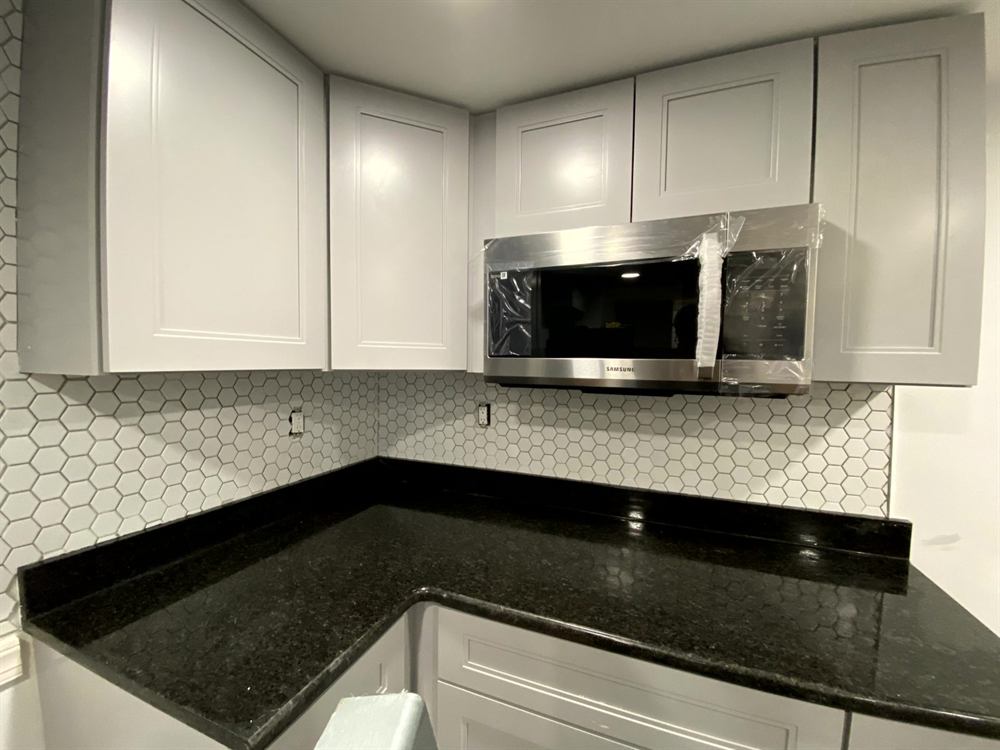
The difference between a refresh and a full renovation often comes down to addressing symptoms versus solving root causes. A refresh updates appearances through painting, new fixtures, or minor upgrades. A kitchen renovation rebuilds the space from the ground up, addressing structural issues, modernizing layouts, and upgrading all major systems simultaneously.
Structural and Safety Concerns That Demand Full Renovation
Certain conditions go beyond aesthetics and touch on the fundamental integrity of your kitchen space. These issues cannot be masked with cosmetic improvements and require immediate, comprehensive attention.
Water Damage and Mold Growth
Visible water stains on ceilings or walls, warped flooring near sinks or appliances, and musty odors indicate moisture problems that have likely compromised structural elements. Water damage rarely stays contained to visible surfaces. By the time you notice discoloration or buckling, moisture has often penetrated subflooring, wall cavities, or cabinet bases. Mold growth poses health risks and signals that your kitchen’s waterproofing, plumbing, or ventilation systems have failed. A full renovation allows contractors to remove damaged materials, identify and repair the source of moisture intrusion, and rebuild with proper moisture barriers and ventilation.
Outdated or Dangerous Electrical Systems
Kitchens built before 1990 often lack sufficient electrical capacity for modern appliances. Warning signs include frequently tripped breakers, flickering lights when appliances run, outlets that feel warm to the touch, or the presence of two-prong outlets without ground wires. Philadelphia homes with knob-and-tube wiring or aluminum wiring pose serious fire hazards. Adding modern appliances to outdated electrical systems creates dangerous overload conditions. Full renovation provides the opportunity to upgrade your electrical panel, install GFCI outlets in appropriate locations, add dedicated circuits for major appliances, and bring your kitchen up to current electrical codes.
Sagging Floors or Ceiling Issues
Floors that slope noticeably, feel spongy underfoot, or have visible gaps between flooring and cabinets indicate structural problems with joists or subflooring. Similarly, cracks in ceiling plaster or drywall, especially if accompanied by sagging, suggest issues with the structure above your kitchen. These problems stem from water damage, inadequate structural support, or natural settling that has exceeded safe limits. Surface repairs will fail quickly because the underlying structure cannot support them. Full renovation allows inspection and repair of structural framing, ensuring your new kitchen rests on a solid, level foundation.
Layout and Functional Problems Beyond Simple Fixes
Some kitchens function poorly not because of damaged components but because the original layout no longer serves modern cooking and gathering habits. These situations require spatial reorganization that goes far beyond refreshing.
Inefficient Work Triangle
The classic kitchen work triangle connecting refrigerator, sink, and stove should total between 12 and 26 feet for optimal efficiency. If your kitchen forces you to walk excessive distances between these stations, cross through traffic paths repeatedly, or navigate around obstacles during meal preparation, the layout itself fails. Relocating major appliances and plumbing fixtures requires opening walls, moving gas lines or water supply, and often reconfiguring electrical systems. This level of change falls squarely in renovation territory rather than refresh.
Inadequate Storage and Counter Space
If you’ve maximized every available surface, added freestanding shelves, and still lack room for essential items, your kitchen suffers from fundamental space allocation problems. Similarly, if counter space disappears as soon as you start cooking, forcing appliances onto the dining table, your layout needs rethinking. Adding a few shelves won’t solve these issues. Comprehensive renovation allows you to reconfigure cabinet layouts, potentially expand into adjacent spaces, add an island for additional workspace, or reclaim wasted areas with better spatial planning.
Consider the long-term value: Homes with well-designed, functional kitchens command higher resale values in the Philadelphia market. Investing in proper layout correction during renovation pays dividends in daily convenience and eventual property value.
Closed-Off Layout That Isolates the Cook
Many older Philadelphia homes feature kitchens tucked behind closed doors, separated from dining and living areas. This isolation feels outdated in an era when kitchens serve as gathering spaces and entertainment centers. Opening your kitchen to adjacent rooms requires removing walls, which often means dealing with load-bearing structures, relocating ductwork or plumbing hidden in walls, and extending flooring and finishes into newly opened spaces. This transformation demands full renovation rather than cosmetic refresh.
Extensive Wear That Affects Multiple Systems
When deterioration extends across cabinets, appliances, and finishes simultaneously, addressing individual components becomes less cost-effective than comprehensive renovation.
Cabinet Failure Beyond Cosmetic Wear
Cabinets with doors that won’t close properly, drawers that stick or fall off tracks, shelves that sag under normal loads, or particle board that has swelled from moisture exposure have reached the end of their functional life. While you can paint cabinets or replace hardware as part of a refresh, structural cabinet failure requires complete replacement. Once you commit to new cabinets, coordinating countertops, backsplash, flooring, and lighting as part of a unified renovation makes more sense than piecemeal updates.
Multiple Appliances Nearing End of Life
If your refrigerator, oven, dishwasher, and microwave all date from the same era and approach 15-20 years old, they’re nearing the end of typical appliance lifespans. Replacing them individually means living through multiple installation disruptions and missing opportunities for coordinated design and improved efficiency. Full renovation allows you to select matching appliances, potentially upgrade to professional-grade equipment, and modify cabinetry and electrical systems to accommodate modern appliance dimensions and requirements all at once.
Deteriorated Flooring, Countertops, and Backsplash
When flooring shows extensive cracking or wear patterns, countertops have chips and stains that won’t clean, and grout lines in your backsplash have darkened or crumbled, multiple surfaces need attention simultaneously. Replacing any one element affects adjacent materials through demolition and installation. Coordinating these replacements as part of full renovation prevents damage to new materials during subsequent projects and ensures cohesive design throughout the space. For expert guidance on the complete renovation process, review our complete guide to kitchen renovation in Philadelphia.
Code Compliance and Modern Standard Gaps
Building codes evolve to improve safety and efficiency. Kitchens that predate significant code updates may function legally under grandfather clauses but fail to meet current standards for safety and performance.
Inadequate Ventilation
Kitchens without proper ventilation or with undersized range hoods that exhaust into attics rather than outdoors accumulate moisture, grease, and combustion byproducts. Philadelphia’s climate, with significant seasonal humidity, makes proper ventilation especially important for preventing moisture damage and maintaining indoor air quality. Installing appropriate ventilation often requires ductwork through exterior walls or roofs, modifications that fit naturally within full renovation scope.
Insufficient Lighting
Older kitchens typically rely on a single ceiling fixture, leaving work surfaces in shadow and creating an unwelcoming atmosphere. Modern standards call for layered lighting including ambient ceiling fixtures, task lighting under cabinets and over work surfaces, and accent lighting for visual interest. Adding multiple light circuits and fixtures requires opening ceilings and walls, electrical work that integrates seamlessly into renovation but disrupts completed spaces during standalone updates.
Accessibility and Universal Design Deficiencies
If your household includes or anticipates members with mobility limitations, your kitchen may lack appropriate clearances, countertop heights, or appliance positioning. Implementing universal design principles requires spatial modifications including wider aisles, varied counter heights, accessible storage solutions, and potentially reconfigured appliance locations. These changes demand the comprehensive approach that full house renovation provides.
Return on Investment Considerations
Sometimes the case for full renovation over refresh comes down to financial pragmatism rather than immediate necessity.
When Refresh Costs Approach Renovation Value
Add up the costs of painting cabinets, replacing countertops, installing new flooring, updating lighting, and buying new appliances separately. If this piecemeal approach reaches 60-70 percent of full renovation cost, you’re paying nearly the same amount for surface improvements without addressing underlying issues. Full renovation delivers superior results and longer-lasting value for marginally higher investment.
Preparing for Resale in a Competitive Market
Philadelphia’s real estate market rewards updated, functional kitchens with premium selling prices and faster sales. If you plan to sell within five years, a comprehensive renovation positions your property more competitively than a partial refresh. Buyers recognize the difference between cosmetic updates and true renovation, and fully renovated kitchens justify higher asking prices more effectively than refreshed ones.
Energy Efficiency and Operating Cost Reductions
Full renovation provides opportunities to improve insulation, seal air leaks, upgrade to energy-efficient appliances and lighting, and install water-saving fixtures throughout your kitchen. These improvements reduce monthly utility costs and improve comfort. While individual upgrades offer modest benefits, comprehensive efficiency improvements deliver significant ongoing savings that partially offset renovation investment over time.
Making the Decision: Renovation vs. Refresh
Assess your kitchen honestly against these ten indicators. If three or more apply to your situation, full renovation likely offers better value than attempting to refresh a fundamentally compromised space. Consider these factors:
- Timeline: Do you have the flexibility for a multi-week renovation project, or do you need faster completion that a refresh provides?
- Future plans: Will you remain in your home long enough to benefit from renovation, or does approaching relocation favor minimal refresh?
- Budget reality: Can you access financing for full renovation, or do current resources limit you to refresh scope?
- Risk tolerance: Are you comfortable living with structural or safety concerns that refresh leaves unaddressed?
Professional assessment provides clarity when these questions lack obvious answers. Licensed contractors can evaluate structural conditions, estimate costs for both approaches, and help you understand trade-offs specific to your Philadelphia home.
Working with Philadelphia Kitchen Renovation Professionals
Once you’ve determined that full renovation makes sense for your kitchen, partnering with experienced local professionals ensures successful outcomes. Look for contractors who:
- Hold current Pennsylvania licenses and maintain comprehensive insurance coverage
- Demonstrate familiarity with Philadelphia building codes and permit requirements
- Provide detailed written estimates that break down costs by category
- Offer references from recent kitchen renovation projects in your area
- Communicate clearly about timelines, potential complications, and decision points
Reliable Home Remodeling brings licensed expertise and a proven track record to kitchen remodeling projects throughout Philadelphia and surrounding communities. The company’s five-star reviews reflect consistent attention to quality craftsmanship, transparent communication, and clean, organized work practices that minimize disruption to your daily life.
Complete kitchen renovation encompasses multiple trades including demolition, carpentry, plumbing, electrical work, flooring installation, and finish work. Coordinating these specialists, maintaining proper sequencing, and ensuring code compliance requires project management expertise that distinguishes professional renovation contractors from general handyman services.
Preparing Your Home and Family for Kitchen Renovation
Full kitchen renovation typically takes four to eight weeks depending on project scope and complexity. During this time, your household will function without a conventional kitchen. Successful projects include planning for:
- Temporary cooking arrangements: Setting up a makeshift kitchen in another room with microwave, toaster oven, and electric kettle
- Dining alternatives: Planning for more restaurant meals or easy-preparation foods during peak construction phases
- Dust and noise management: Sealing off the work area with plastic barriers and coordinating noisy work with family schedules
- Material storage: Designating space for deliveries of cabinets, appliances, and materials that arrive before installation dates
Discuss these logistics with your renovation contractor during planning. Experienced professionals help minimize inconvenience through efficient scheduling and clear communication about what to expect each week.
Conclusion: Investing in Long-Term Kitchen Performance
Recognizing when your Philadelphia kitchen needs full renovation rather than cosmetic refresh protects you from wasting resources on surface treatments that fail to solve underlying problems. Structural issues, layout inefficiencies, extensive wear across multiple systems, code compliance gaps, and financial considerations all point toward comprehensive renovation as the wiser investment.
Your kitchen serves as the functional and social heart of your home. When it no longer supports your cooking needs, entertains guests comfortably, or operates safely and efficiently, full renovation restores both function and value in ways that partial updates cannot match.
Whether you’re addressing safety concerns, improving daily functionality, or positioning your property for resale, working with licensed professionals ensures your renovation investment delivers lasting results. From initial planning through final walkthrough, experienced contractors guide you through material selections, design decisions, and construction phases that transform your outdated kitchen into a modern, efficient space tailored to your household’s specific needs.
Ready to explore whether full renovation makes sense for your kitchen? Request a free estimate to discuss your project with Philadelphia’s trusted kitchen remodeling specialists. Licensed, insured, and backed by consistent five-star reviews, Reliable Home Remodeling delivers quality craftsmanship and transparent pricing for homeowners throughout Philadelphia and nearby communities.
Frequently Asked Questions
How long does a complete kitchen renovation take in Philadelphia?
Most full kitchen renovations require four to eight weeks from demolition through final installation. Projects involving structural modifications, significant plumbing or electrical relocations, or custom cabinetry may extend to ten or twelve weeks. Timeline depends on kitchen size, scope of changes, material availability, and permit processing. Your contractor should provide a detailed schedule during planning that accounts for your specific project requirements.
Can I live in my home during kitchen renovation?
Yes, most Philadelphia homeowners remain in their homes throughout kitchen renovation. Contractors typically establish temporary barriers to contain dust and noise, though you’ll need alternative cooking arrangements since your kitchen will be non-functional during construction. Families with young children or members with health sensitivities sometimes choose temporary relocation during demolition and dusty phases, then return for finish work.
What permits does kitchen renovation require in Philadelphia?
Philadelphia requires building permits for renovations involving structural changes, plumbing modifications, electrical work, or gas line alterations. Simple cabinet replacement or cosmetic updates may not need permits, but any work affecting walls, moving appliances to new locations, or upgrading electrical service requires proper permitting. Licensed contractors handle permit applications and coordinate required inspections as part of professional renovation services.
How much does full kitchen renovation typically increase home value?
Kitchen renovations typically return 60-80 percent of their cost in increased home value in the Philadelphia area, with exact percentages varying based on neighborhood, quality of finishes, and how the updated kitchen compares to surrounding properties. Beyond direct financial return, renovated kitchens help homes sell faster and attract more serious buyers. For homeowners remaining in their properties long-term, improved functionality and reduced maintenance costs provide ongoing value beyond resale considerations.
Should I renovate my kitchen before selling or leave it for buyers?
This decision depends on your kitchen’s current condition and your local market. Kitchens with obvious problems, outdated layouts, or safety concerns often justify renovation before listing because buyers either avoid such properties or demand significant discounts. Well-maintained but dated kitchens in competitive markets may benefit from renovation to stand out among listings. However, if your kitchen functions adequately and you lack budget for quality renovation, selling as-is to buyers who want to customize their own updates may prove more practical than attempting a rushed, budget-constrained refresh.