Quartz vs Granite vs Butcher Block Countertops: Pros and Cons Explained
Selecting the perfect countertop material is one of the most important decisions in any kitchen renovation. The surface you choose affects not only the visual appeal of your space but also how you use it daily. Three popular options dominate today’s market: quartz, granite, and butcher block. Each brings distinct advantages and trade-offs in durability, maintenance, cost, and style.
Philadelphia homeowners planning a kitchen update often weigh these materials carefully. Understanding the real-world performance of quartz, granite, and butcher block helps ensure your investment aligns with your lifestyle, cooking habits, and design preferences. This guide breaks down the key characteristics of each material to simplify your decision-making process.
Understanding Quartz Countertops
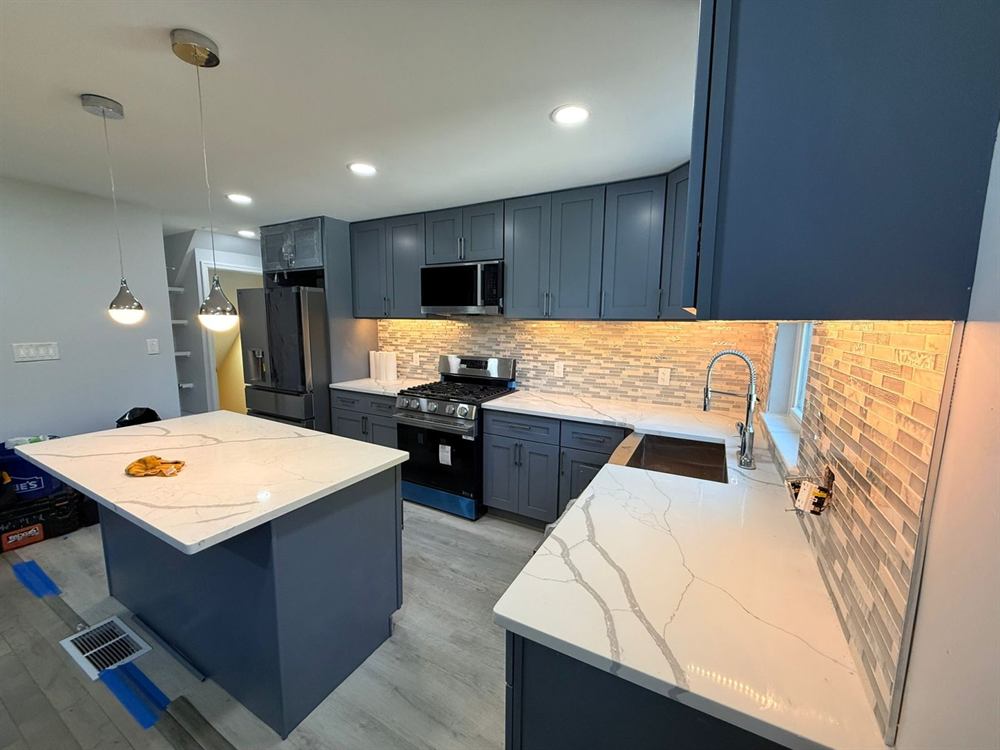
Quartz countertops are engineered surfaces made from approximately 90 percent ground natural quartz combined with polymer resins and pigments. This manufacturing process creates a dense, non-porous material that offers exceptional consistency in pattern and color. Unlike natural stone, quartz delivers uniform appearance across slabs, making it easier to match seams and predict final results.
One of the strongest advantages of quartz is its non-porous surface. Because it does not absorb liquids, quartz resists staining from coffee, wine, oil, and other common kitchen substances. This characteristic also means bacteria and mold have no place to hide, making quartz a hygienic choice for food preparation areas.
Durability and Maintenance
Quartz is highly resistant to scratches and chips under normal kitchen use. While not completely indestructible, it handles daily wear better than many alternatives. Sharp knives can still mark the surface, so cutting boards remain essential. The material does not require sealing, which simplifies long-term maintenance significantly.
Cleaning quartz countertops is straightforward. Mild soap and water handle most messes. Avoid abrasive cleaners and harsh chemicals, as they can dull the finish over time. Quartz also resists heat to a degree, but placing hot pots directly on the surface can cause thermal shock and damage the resin binders. Always use trivets or hot pads.
Design Flexibility
The engineered nature of quartz allows manufacturers to create a wide range of colors, patterns, and finishes. From solid neutrals to designs that mimic natural marble or granite, quartz offers versatility. This flexibility makes it easier to match specific design visions and coordinate with cabinetry, backsplashes, and interior painting choices.
Key Consideration: Quartz performs best in kitchens where low maintenance and consistent appearance are priorities. It suits busy households that need reliable, hygienic surfaces without ongoing sealing requirements.
Exploring Granite Countertops
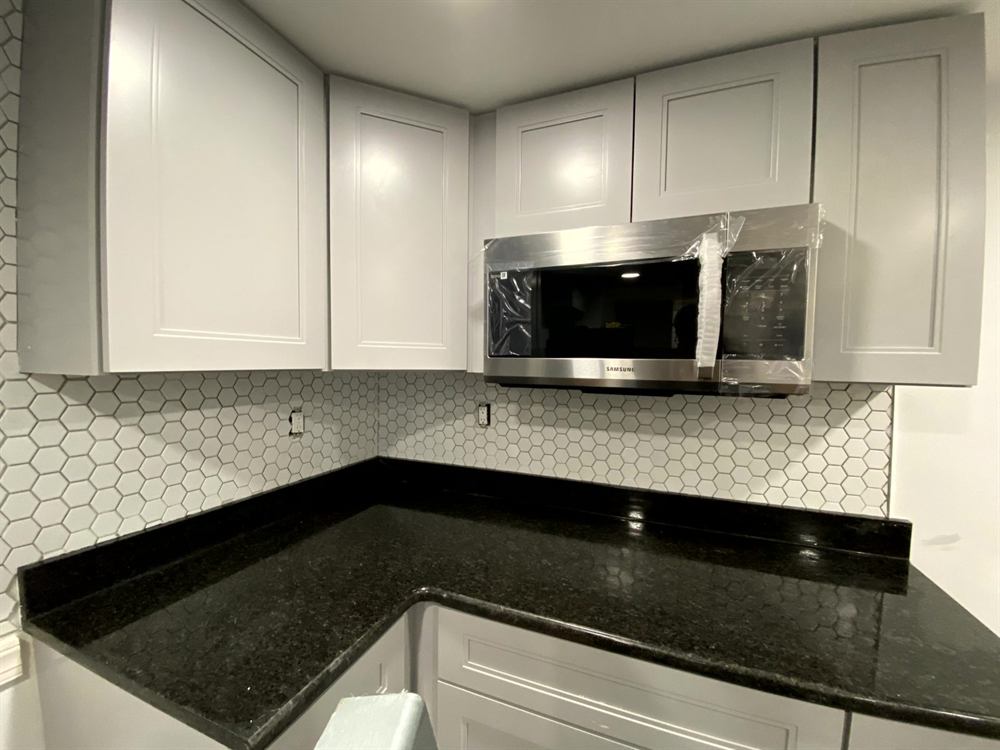
Granite is a natural stone formed from cooled magma deep within the earth. Each slab is unique, displaying one-of-a-kind patterns, colors, and veining. This natural variation appeals to homeowners who value organic beauty and individuality in their kitchen design.
As a natural material, granite is porous unless properly sealed. Sealing creates a protective barrier that reduces the risk of staining and moisture absorption. Most granite countertops require resealing once or twice per year, depending on the specific stone and usage patterns. This maintenance step is manageable but does require attention.
Strength and Heat Resistance
Granite ranks among the hardest natural stones used in residential settings. It resists scratches, chips, and cracks effectively when installed correctly. The material can handle the rigors of daily cooking, including chopping, slicing, and heavy cookware.
One standout feature of granite is its superior heat resistance. You can place hot pans directly from the stove or oven onto granite without immediate risk of damage. This quality makes granite a favorite among serious home cooks who appreciate the flexibility during meal preparation.
Aesthetic Appeal
The natural beauty of granite is difficult to replicate. Each slab tells a geological story through its unique mineral composition, color shifts, and patterns. For homeowners seeking a distinctive, high-end look, granite delivers visual interest that engineered materials struggle to match.
However, this uniqueness also means you must select your exact slabs at the supplier. What you see in a showroom sample may differ significantly from the full slab. Planning and careful selection ensure the final installation meets your expectations.
Evaluating Butcher Block Countertops
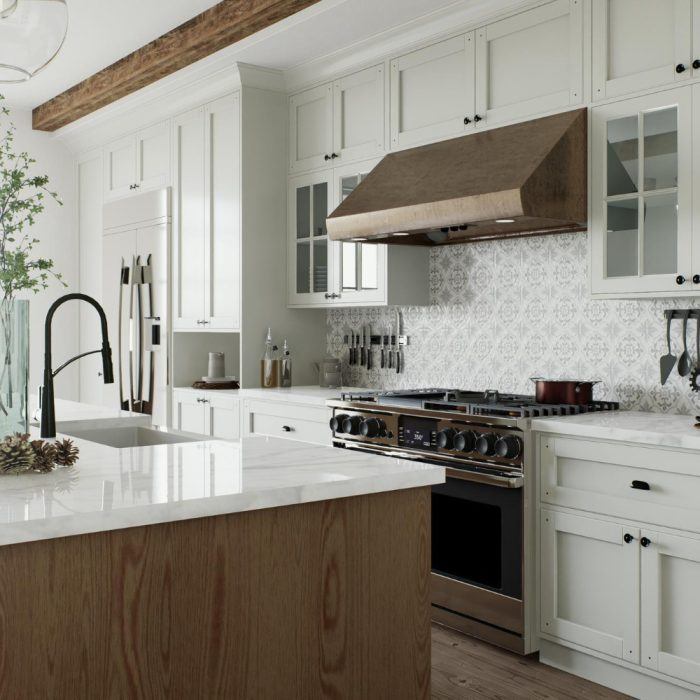
Butcher block countertops bring warmth, texture, and a traditional feel to kitchen spaces. Made from strips of hardwood bonded together, butcher block offers a natural, inviting surface that softens the harder edges of modern kitchen design. Common wood species include maple, oak, walnut, and cherry.
Unlike stone surfaces, butcher block is renewable and repairable. Scratches, dents, and minor damage can be sanded out and refinished, extending the life of the countertop indefinitely. This ability to restore the surface appeals to homeowners who value long-term sustainability and hands-on maintenance.
Maintenance Requirements
Butcher block requires more active maintenance than quartz or granite. The wood must be treated regularly with food-safe mineral oil or specialized wood conditioner to prevent drying, cracking, and warping. Depending on use, this treatment may be needed monthly or every few months.
Water is butcher block’s primary enemy. Standing water can cause stains, warping, and even mold growth if not addressed quickly. Wiping up spills immediately and keeping the surface dry are essential habits. Sealing with a waterproof finish is an option, but it sacrifices the ability to use the surface as a true cutting board.
Functional Benefits
For homeowners who love to cook, butcher block provides a practical work surface. It is gentle on knives, reducing blade dulling compared to stone. When properly maintained, the wood surface can double as a cutting board, eliminating the need for separate boards in some cases.
Butcher block also offers natural antimicrobial properties. Certain hardwoods naturally resist bacteria, making them safer for food prep than many people assume. Regular oiling and proper cleaning maintain these benefits.
Design Character
The warmth of natural wood introduces a softer, more organic aesthetic to kitchens. Butcher block pairs beautifully with both traditional and contemporary styles. It complements interior remodeling projects that emphasize natural materials, creating visual balance in spaces dominated by metal, tile, and painted surfaces.
Side-by-Side Comparison: Key Factors
To help clarify the differences, here is a direct comparison across several important factors:
| Factor | Quartz | Granite | Butcher Block |
|---|---|---|---|
| Durability | Highly scratch and chip resistant | Extremely hard, crack resistant | Softer, dents and scratches easier |
| Maintenance | No sealing, easy cleaning | Requires periodic sealing | Regular oiling, sensitive to water |
| Heat Resistance | Moderate, use trivets | Excellent, can handle hot pans | Low, can scorch or burn |
| Stain Resistance | Excellent, non-porous | Good when sealed properly | Moderate, absorbs liquids |
| Appearance | Uniform, engineered patterns | Unique, natural variations | Warm, natural wood grain |
| Repairability | Difficult to repair damage | Can be polished, limited repair | Easily sanded and refinished |
Choosing the Right Material for Your Kitchen
The best countertop material depends on how you use your kitchen, your design preferences, and your willingness to perform ongoing maintenance. Consider these scenarios:
- Busy households with young children: Quartz offers the best combination of durability and low maintenance, handling spills and daily chaos without constant attention.
- Serious cooks who value heat resistance: Granite provides superior performance with hot cookware, making it ideal for active cooking environments.
- Homeowners seeking warmth and character: Butcher block introduces natural beauty and tactile appeal, perfect for creating inviting, lived-in spaces.
- Design-focused renovations: Granite’s unique patterns and quartz’s color consistency both offer distinct aesthetic advantages depending on your vision.
For comprehensive guidance on planning your kitchen update, including countertop selection within the broader renovation process, explore our complete guide to kitchen renovation in Philadelphia.
Professional Installation Matters
Regardless of which material you choose, professional installation is critical. Quartz and granite are heavy, unforgiving materials that require precise measurement, cutting, and seaming. Poorly installed stone countertops can crack, separate at seams, or fail to provide proper support for sinks and appliances.
Butcher block installation demands careful attention to wood movement and proper sealing techniques. Experienced installers understand how different wood species behave and how to secure them correctly to prevent warping or separation over time.
Working with a licensed and insured remodeler ensures your investment is protected. Reliable Home Remodeling brings expertise in handling all three countertop materials, coordinating installation with plumbing, electrical, and cabinetry work to deliver seamless results. The team’s attention to detail and commitment to quality craftsmanship ensures your new countertops perform beautifully for years.
Making Your Final Decision
Choosing between quartz, granite, and butcher block countertops involves balancing practical needs with aesthetic desires. Each material offers distinct advantages, and no single option is universally superior. The right choice depends on your specific situation, cooking habits, maintenance preferences, and design goals.
Take time to visit showrooms, touch samples, and visualize each material in your space. Consider how the countertop will interact with your cabinets, flooring installation, and overall kitchen layout. Ask questions about care requirements and long-term performance.
Philadelphia homeowners benefit from working with local professionals who understand regional preferences, climate considerations, and the unique challenges of urban and suburban kitchen renovations. Whether you choose the engineered consistency of quartz, the natural elegance of granite, or the warm character of butcher block, professional guidance ensures your selection enhances both function and beauty.
Ready to Move Forward? Reliable Home Remodeling helps Philadelphia homeowners navigate countertop selection and installation with transparency and expertise. Schedule a consultation to discuss your kitchen vision and explore the best material options for your space.
Frequently Asked Questions
Can I use quartz countertops outdoors?
Quartz is not recommended for outdoor applications. The resin binders in quartz can degrade under prolonged UV exposure, causing discoloration and potential structural issues. Granite is a better choice for outdoor kitchens and bar areas, as it is a natural stone unaffected by sunlight.
How often does granite need to be resealed?
Most granite countertops require resealing once or twice per year, depending on the stone’s porosity and how heavily the surface is used. A simple water test can determine if resealing is needed: place a few drops of water on the surface. If the water beads up, the seal is intact. If it absorbs within a few minutes, it is time to reseal.
Can butcher block countertops be used near sinks?
Butcher block can be used near sinks, but it requires careful maintenance. The area around the sink is prone to water exposure, which can damage wood over time. Applying a waterproof finish in this zone or using an undermount sink with proper sealing helps protect the wood. Diligent wiping and drying are essential.
Which countertop material adds the most value to a home?
Granite and quartz both add significant value to homes and appeal to a broad range of buyers. Granite is often associated with luxury and high-end renovations, while quartz appeals to buyers seeking low maintenance and modern aesthetics. Butcher block is more niche and may not resonate as widely with all buyers, though it can be a strong selling point in certain markets.
What is the most environmentally friendly countertop option?
Butcher block made from sustainably harvested or reclaimed wood is generally considered the most environmentally friendly option. Wood is a renewable resource, and butcher block countertops can be refinished rather than replaced, extending their lifespan. Quartz and granite both require significant energy to quarry, process, and transport, though some manufacturers now use recycled materials in quartz production.