Open Concept vs Closed Kitchen: Which Layout Fits a Philadelphia Row Home
Philadelphia row homes carry architectural character that many homeowners cherish, but their narrow footprints and traditional floor plans often complicate modern kitchen design. When planning a kitchen renovation, one of the most impactful decisions involves choosing between an open concept layout that merges kitchen and living spaces or maintaining a closed kitchen with defined room boundaries.
Both approaches offer distinct advantages and limitations, especially within the structural constraints typical of Philadelphia row home construction. This guide examines the practical, aesthetic and resale considerations that shape this important design choice for local homeowners.
Understanding Row Home Architecture in Philadelphia
Most Philadelphia row homes share similar structural characteristics that directly influence kitchen layout options. Typical dimensions range from 14 to 18 feet in width, with depth extending 40 to 60 feet or more. Load bearing walls often run front to back, creating long, narrow rooms arranged sequentially rather than side by side.
Traditional floor plans placed kitchens toward the rear of the home, often in a dedicated room separate from the front parlor and dining spaces. Original construction prioritized formal separation of rooms, reflecting early 20th century lifestyle norms that kept cooking activities hidden from entertaining areas.
Modern homeowners frequently seek to reconfigure these traditional layouts to accommodate contemporary living patterns that favor casual interaction, multitasking and visual connection between spaces. However, structural realities including load bearing walls, staircase placement and narrow width impose constraints that require careful planning.
Key Structural Considerations
- Load bearing walls: Removing walls to create open space often requires installing support beams, which adds complexity and affects ceiling height.
- Staircase location: Stairs typically occupy central positions that limit layout flexibility and sightlines.
- Natural light sources: Windows concentrate at front and rear walls, leaving middle sections darker without strategic design intervention.
- Plumbing and mechanical systems: Relocating kitchens away from existing plumbing stacks increases renovation complexity.
- Row home regulations: Shared walls with neighbors introduce building code requirements and sometimes complicate structural modifications.
Open Concept Kitchen Layouts: Advantages and Challenges
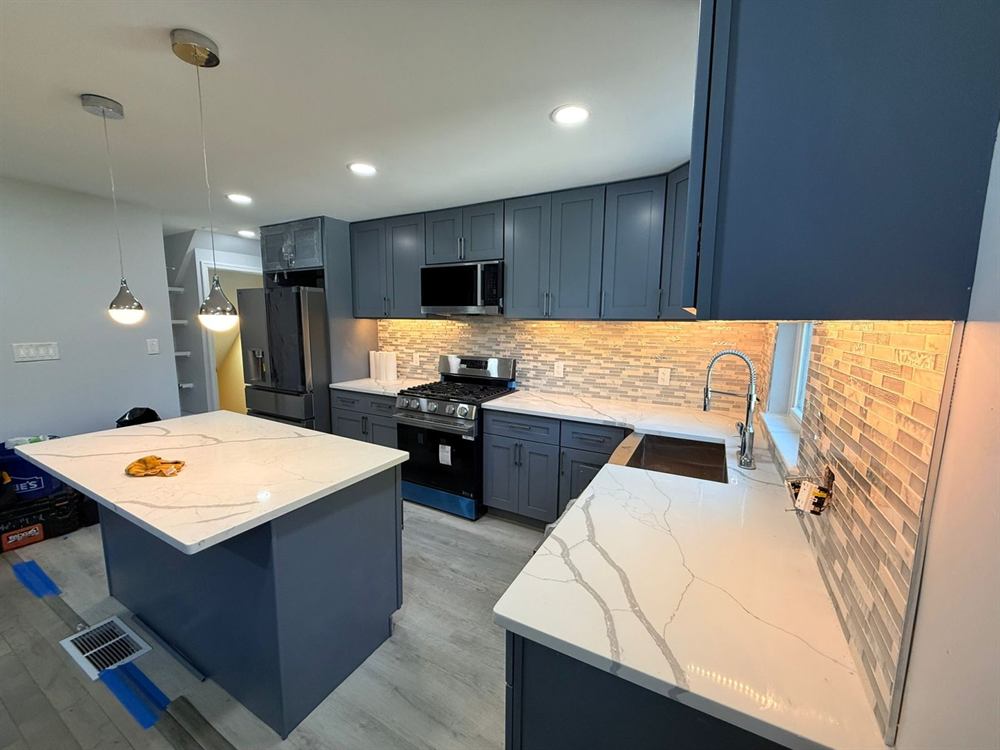
Open concept designs eliminate walls between kitchen and adjacent living or dining areas, creating a unified space that allows visual connection and movement throughout. This approach has dominated contemporary home design trends for the past two decades, driven by lifestyle preferences that value togetherness and informal entertaining.
Benefits of Open Concept in Row Homes
Enhanced natural light distribution: Removing interior walls allows daylight from front and rear windows to penetrate deeper into the home, reducing the cave-like feeling common in traditional row home interiors.
Improved social interaction: Parents preparing meals can supervise children in adjacent living spaces. Hosts can interact with guests while cooking, making entertaining more inclusive and relaxed.
Perceived spaciousness: Eliminating visual barriers creates the impression of larger square footage, a valuable psychological benefit in homes with limited width.
Modern aesthetic appeal: Open layouts align with contemporary design preferences, potentially enhancing resale value among buyers seeking updated homes.
Flexible use of space: Furniture and activity zones can be rearranged more easily without fixed walls dictating function.
Drawbacks and Practical Concerns
Noise and odor transfer: Cooking sounds, dishwasher operation and food smells spread throughout connected spaces without barriers. This can disrupt television viewing, conversation or sleep schedules in homes where living areas are near bedrooms.
Visual clutter exposure: Dirty dishes, countertop appliances and meal preparation mess remain visible from living areas, requiring more consistent tidiness or strategic screening elements.
Heating and cooling efficiency: Larger unified spaces can be more challenging to heat and cool efficiently, potentially increasing energy costs in Philadelphia’s variable climate.
Loss of storage and wall space: Removing walls eliminates potential locations for cabinets, shelving and artwork that contribute to both function and personalization.
Structural intervention costs: Installing beams to support upper floors after removing load bearing walls adds significant expense to renovation budgets.
Consideration for Philadelphia homeowners: Open concept renovations in row homes work best when the kitchen occupies the rear section adjacent to a dining area or family room, allowing preserved front parlors to maintain traditional character while modernizing daily living spaces.
Closed Kitchen Layouts: Timeless Function and Privacy
Closed kitchens maintain defined boundaries with walls and doors separating the cooking area from other rooms. While less trendy than open concepts, this traditional approach offers practical advantages that many Philadelphia homeowners continue to value.
Advantages of Maintaining Room Separation
Containment of cooking activity: Walls and doors confine noise, heat, moisture and odors to the kitchen, protecting furniture, electronics and other living spaces from cooking byproducts.
Hidden mess during entertaining: Closed doors allow homeowners to conceal post-meal cleanup, creating a more polished impression when guests occupy other areas.
Dedicated work environment: Some cooks prefer focused spaces without distractions, finding that defined boundaries support concentration and efficiency.
Preservation of architectural character: Maintaining original room layouts respects the historical integrity of older Philadelphia homes, an important consideration for properties in designated historic districts.
Maximized storage capacity: Four walls provide more opportunities for cabinetry, pantry space and shelving compared to open layouts that sacrifice walls for sightlines.
Lower renovation costs: Avoiding structural modifications to remove walls reduces both material and labor expenses, making closed layouts more budget friendly.
Limitations of Traditional Closed Kitchens
Limited natural light: Enclosed kitchens in row home middle sections often rely on a single window, creating dimmer environments that require more artificial lighting.
Social isolation: Cooks work separately from family members or guests in other rooms, reducing interaction during meal preparation.
Perception of smaller space: Walls reinforce awareness of the home’s narrow width, potentially feeling more confining to occupants accustomed to open layouts.
Dated aesthetic: Some buyers perceive closed kitchens as old fashioned, which could affect resale appeal in a market favoring contemporary design.
Reduced flexibility: Fixed walls limit options for reconfiguring traffic flow or adapting spaces as household needs evolve.
Hybrid Solutions: Balancing Openness and Definition
Philadelphia row home renovations need not commit absolutely to either open or closed concepts. Several hybrid approaches offer compromise solutions that address limitations of both extremes while respecting structural realities.
Partial Wall Removal with Columns or Half Walls
Removing the upper portion of a wall while maintaining a lower base creates visual connection without complete openness. This strategy preserves some degree of room definition, provides surfaces for countertop extensions or breakfast bars, and often requires less extensive structural work than full wall removal.
Wide Doorway Openings
Expanding doorways to five or six feet in width improves sightlines and creates a more generous sense of connection while maintaining ceiling support and some acoustic separation. Pocket doors or wide French doors can close off spaces when desired, offering flexibility for different occasions.
Glass Partitions or Interior Windows
Installing glass walls, pass through windows or interior windows between kitchen and dining areas allows light transmission and visual connection while containing sounds and odors. This approach works especially well in row homes where natural light concentration at front and rear walls leaves middle sections darker.
Strategic Furniture and Island Placement
In partially open layouts, thoughtful placement of kitchen islands, console tables or open shelving units can define zones without blocking sightlines entirely. These elements provide functional benefits including additional prep space, storage and seating while maintaining the open concept aesthetic.
Making the Right Choice for Your Philadelphia Home
Selecting the optimal kitchen layout requires evaluating multiple factors specific to your property, household and long term plans. The following framework helps organize this decision process.
Assess Your Lifestyle Priorities
Consider how your household actually uses kitchen and living spaces. Families with young children often value the supervision advantages of open layouts. Individuals who entertain formally may prefer the polish of closed kitchens. Frequent cooks who generate significant mess might appreciate containment, while casual cooks may prioritize social connection over cleanup concealment.
Evaluate Structural Realities and Budget
Consult with a licensed contractor to identify load bearing walls and estimate costs for structural modifications. In some row homes, removing specific walls proves prohibitively expensive or technically complex, making the decision simpler. Budget constraints often favor closed or hybrid layouts that avoid extensive structural work.
Consider Resale Implications
Research recent sales of comparable Philadelphia row homes in your neighborhood to understand buyer preferences. Some areas show strong preference for updated open concepts, while others attract buyers seeking preserved period character. Your local real estate market dynamics should inform decisions if resale value ranks among your priorities.
Account for Climate and Energy Efficiency
Philadelphia experiences both humid summers and cold winters, creating year-round HVAC demands. Consider whether your heating and cooling systems can effectively serve larger unified spaces or whether maintaining separate zones improves comfort and efficiency. Energy costs over years of occupancy can offset or exceed initial renovation savings.
Respect Historical Character When Appropriate
Properties in Philadelphia’s historic districts or those with significant architectural features merit preservation consideration. Some renovations successfully modernize while respecting original character by updating rear sections while maintaining front room integrity, creating a blend of old and new that honors the home’s heritage.
For homeowners seeking comprehensive guidance on kitchen renovation planning that addresses layout, materials, timeline and budget considerations specific to Philadelphia row homes, our complete guide to kitchen renovation provides detailed insights throughout the entire project lifecycle.
Practical Design Strategies for Each Layout Type
Once you select a general direction, specific design tactics can maximize the strengths and minimize the weaknesses of your chosen layout within row home constraints.
Optimizing Open Concept Layouts
Install high-performance ventilation: Powerful range hoods with external venting minimize odor and moisture spread throughout connected spaces. This investment proves critical in open layouts where cooking impacts extend beyond the kitchen zone.
Create visual anchors: Without walls defining spaces, use flooring transitions, ceiling treatments, lighting changes or area rugs to establish distinct zones for cooking, dining and living activities.
Incorporate strategic screening: Open shelving units, glass partitions or partial height walls can provide subtle separation that contains some kitchen mess while preserving the open feel.
Maximize vertical storage: Tall cabinets extending to ceilings compensate for lost wall space, providing essential storage without cluttering sight lines.
Select cohesive finishes: Unified color palettes and material choices throughout connected spaces create visual harmony that reinforces the intentional openness rather than appearing accidentally incomplete.
Enhancing Closed Kitchen Functionality
Prioritize lighting design: Layered lighting including task, ambient and accent fixtures compensates for limited natural light in enclosed spaces. Under cabinet lighting illuminates work surfaces while pendant fixtures and recessed lights brighten the overall environment.
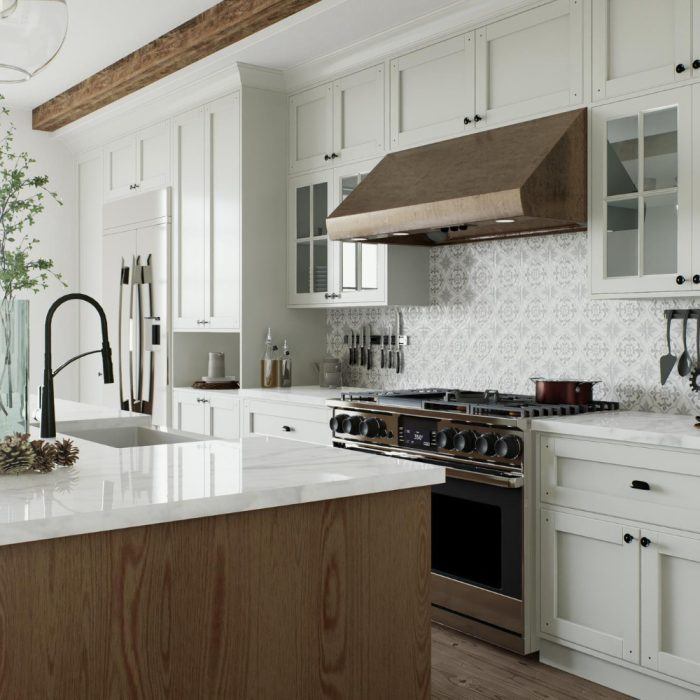
Use light colors strategically: White or light colored cabinetry, countertops and walls reflect available light, creating a brighter and more spacious feeling within confined square footage.
Optimize layout efficiency: Closed kitchens benefit from classic work triangle arrangements that minimize steps between sink, stove and refrigerator, supporting efficient workflow in compact spaces.
Install quality doors: Upgraded doors with good seals contain sounds and odors effectively while adding architectural interest. Pocket doors save swing space in narrow row homes.
Maximize every surface: Utilize all four walls for storage, incorporating corner cabinets, pantry systems and vertical organization to capitalize on the closed layout’s storage advantage.
Working with Professional Remodelers
Kitchen layout decisions in Philadelphia row homes benefit significantly from professional expertise. Licensed contractors experienced with local building codes, typical row home construction and structural requirements can identify opportunities and constraints that homeowners might overlook.
Reliable Home Remodeling brings specialized knowledge of Philadelphia row home renovation to every project. The team evaluates structural systems, identifies load bearing walls, estimates realistic costs for various layout options and helps homeowners understand tradeoffs before committing to specific approaches.
Professional guidance proves especially valuable when considering hybrid solutions that require custom structural work, coordination with other trades or creative problem solving within unique space constraints. Experienced remodelers can also connect homeowners with architects or structural engineers when projects require professional design or engineering stamps.
From initial planning through final walkthrough, comprehensive kitchen remodeling services ensure that layout decisions align with structural realities, building codes, budget parameters and long term satisfaction.
Final Considerations for Philadelphia Homeowners
The choice between open concept and closed kitchen layouts in a Philadelphia row home ultimately reflects personal priorities within structural possibilities. Neither approach is universally superior, both can succeed beautifully when designed thoughtfully, and hybrid solutions often provide optimal balance for many homeowners.
Successful kitchen renovations begin with honest assessment of how you live, realistic evaluation of your specific property’s opportunities and constraints, and willingness to invest in quality design and execution. Whether you prioritize contemporary openness, traditional definition or creative compromise, careful planning ensures your kitchen layout enhances daily life while respecting your home’s unique character.
Philadelphia’s row home architecture presents both challenges and opportunities for creative kitchen design. With professional guidance, structural awareness and clear lifestyle priorities, homeowners can transform narrow urban spaces into functional, beautiful kitchens that serve their households well for years to come, regardless of which layout philosophy guides the design.
Frequently Asked Questions
Can load bearing walls be removed in Philadelphia row homes?
Load bearing walls can be removed with proper structural support installed, typically steel or laminated veneer lumber beams that transfer weight to remaining walls or posts. This work requires permits, engineering review and experienced contractors familiar with row home construction. The process adds significant cost compared to renovations that work within existing walls, but proves feasible in most cases when homeowners prioritize open layouts.
How does kitchen layout affect home resale value in Philadelphia?
Market research shows mixed results depending on neighborhood and buyer demographics. Areas attracting young families and first time buyers often favor open concept layouts, while neighborhoods with historic character or older buyer populations may value preserved traditional layouts. The quality of renovation execution, overall home condition and competitive pricing typically influence resale success more than layout philosophy alone. Well designed kitchens in either configuration sell successfully when they meet functional needs and aesthetic expectations.
What permits are required for kitchen layout changes in Philadelphia?
Any work involving structural modifications, electrical system updates, plumbing relocation or significant scope requires building permits from the Philadelphia Department of Licenses and Inspections. Removing walls, adding beams, relocating sinks or stoves, and upgrading service panels all trigger permit requirements. Working with licensed, insured contractors ensures proper permitting, code compliance and inspection coordination, protecting homeowners from potential liability and facilitating future property transactions.
How much does it cost to convert a closed kitchen to open concept?
Conversion costs vary widely based on structural complexity, finishes selected and project scope. Basic conversions removing non-load bearing walls may represent a small portion of overall kitchen renovation budgets, while projects requiring beam installation, structural engineering, extensive electrical or plumbing relocation add considerably more. Philadelphia row home conversions typically require professional evaluation to provide accurate estimates, as each property presents unique conditions that influence cost.
Can I combine open and closed elements in the same kitchen?
Hybrid approaches successfully balance openness and definition in many Philadelphia row home renovations. Partial walls, wide doorways, glass partitions, sliding barn doors and strategic furniture placement all create flexible solutions that provide visual connection when desired while maintaining options for separation during cooking, cleanup or entertaining. These compromise solutions often address the limitations of purely open or closed layouts while respecting structural and budget realities.