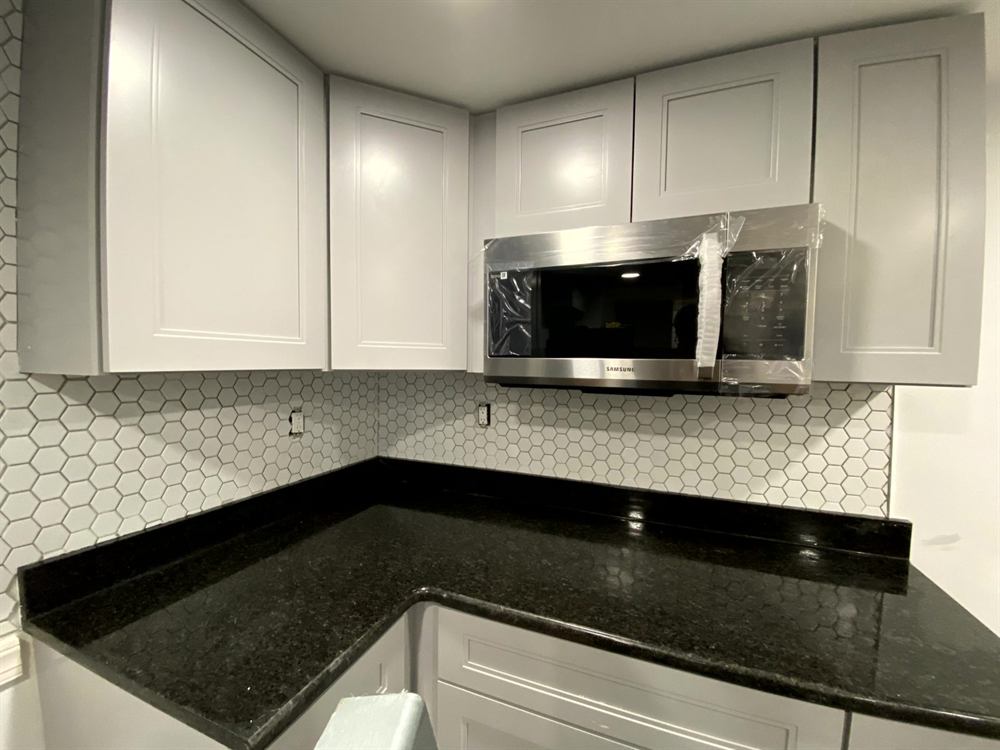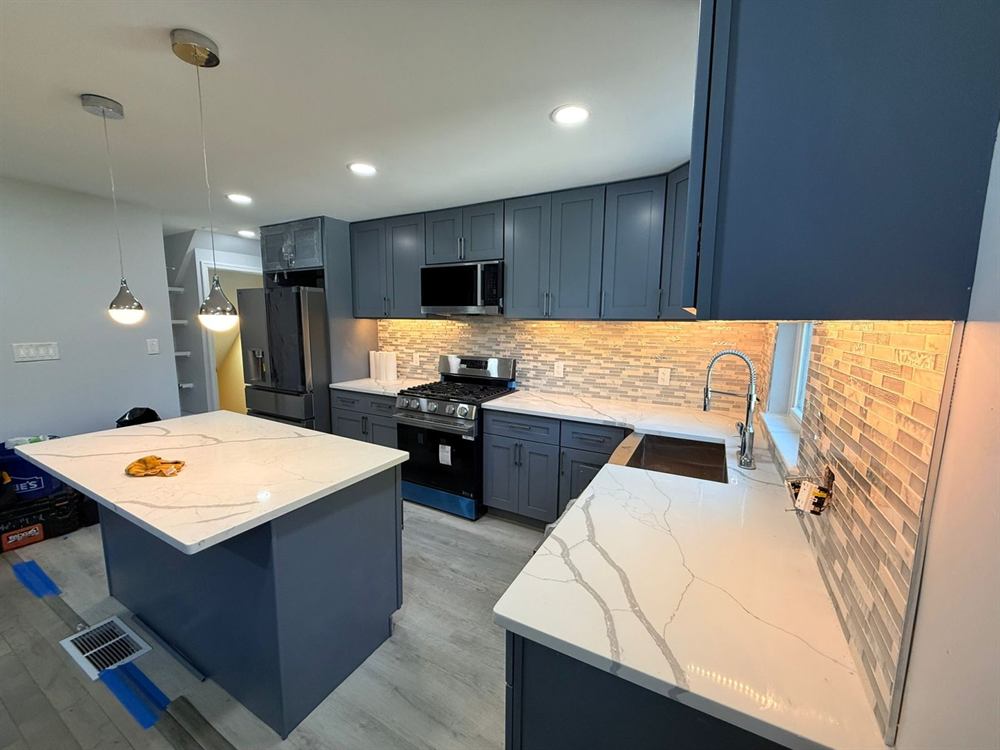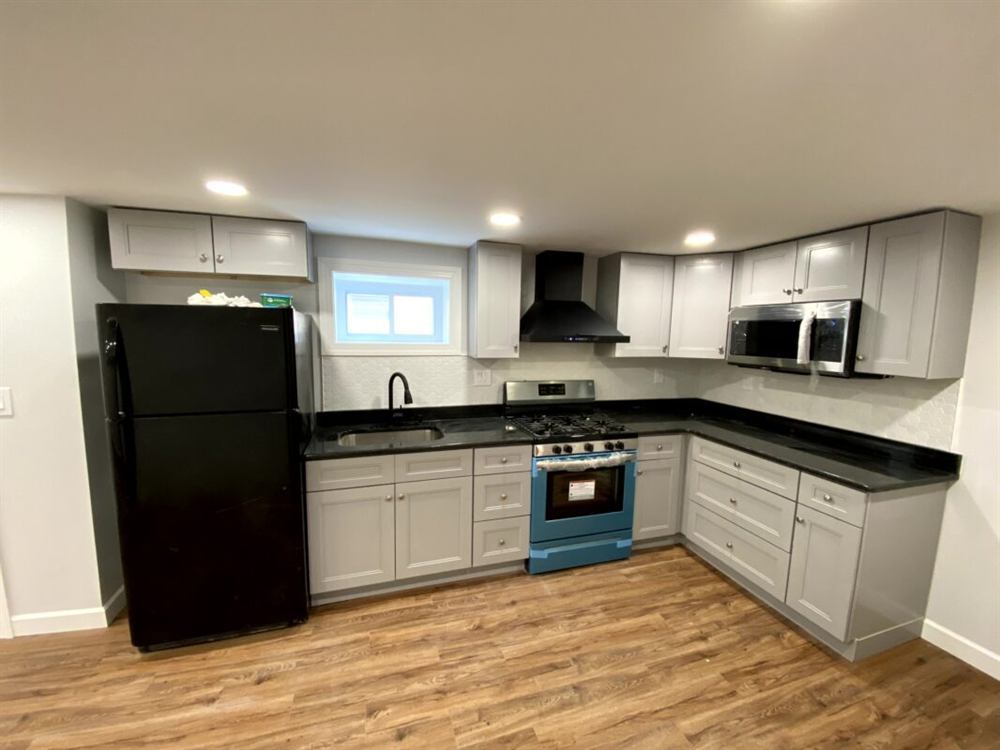
Kitchen Renovation Mistakes Homeowners Should Avoid in 2026
In summary

- Setting aside 15 to 20 percent of your budget as contingency reserve prevents unexpected conditions from derailing kitchen renovation timelines or forcing quality compromises.
- Choosing licensed, insured contractors over lowest-bid options protects homeowners from substandard work, code violations, and liability issues that surface during or after installation.
- Finalizing detailed designs before demolition begins prevents costly mid-project changes that typically add 20 to 40 percent to original line-item estimates due to rework and material reordering.
Kitchen renovations remain one of the most impactful home improvement projects, transforming both functionality and property value. Yet many homeowners in Philadelphia encounter preventable setbacks that inflate budgets, extend timelines, and compromise final results. Understanding these pitfalls before breaking ground protects your investment and ensures a smoother renovation experience from planning through final installation.
This guide examines the most frequent kitchen renovation mistakes observed across hundreds of residential projects, offering practical strategies to help you navigate design decisions, contractor selection, and project management with confidence.
Planning and Budget Mistakes That Derail Projects
The foundation of any successful kitchen renovation lies in thorough planning and realistic budgeting. Many homeowners underestimate the complexity of coordinating multiple trades, material lead times, and design approvals, leading to frustration when reality diverges from initial expectations.
Underestimating Total Project Investment
One of the most common errors involves setting an unrealistic budget that accounts only for visible materials like cabinets and countertops. A comprehensive kitchen renovation encompasses electrical upgrades, plumbing adjustments, structural modifications, permits, and labor across multiple specialties. Industry data suggests that homeowners who allocate 15 to 20 percent above their initial material estimates better absorb unexpected conditions discovered during demolition, such as outdated wiring or water damage.
Transparent pricing discussions with your contractor early in the process establish clear expectations. Licensed professionals provide detailed line-item estimates that separate material costs from labor, permit fees, and contingency reserves, helping you understand where every dollar flows throughout the project lifecycle.
Skipping the Design Phase
Jumping directly into demolition without a finalized design invites costly changes mid-project. Each modification after construction begins typically adds 20 to 40 percent to the original line-item estimate due to rework, material reordering, and schedule delays. Investing time upfront to finalize cabinet layouts, appliance specifications, lighting plans, and finish selections prevents expensive course corrections later.
Working with experienced designers or design-build teams streamlines this phase, translating your vision into detailed plans that contractors can execute without ambiguity. For a comprehensive look at the planning process, explore our complete guide to kitchen renovation in Philadelphia, which walks through every decision point from concept to completion.
Ignoring the Work Triangle Principle
The classic work triangle connecting sink, stove, and refrigerator remains a cornerstone of functional kitchen design. Disrupting this relationship by placing appliances too far apart or creating awkward pathways between work zones reduces efficiency and increases frustration during daily meal preparation. Optimal triangle dimensions place each point between four and nine feet apart, creating comfortable access without excessive walking.
Modern open-concept layouts sometimes challenge traditional triangle logic, but the underlying principle holds: frequently used elements should remain within easy reach. Consulting with designers who understand traffic patterns and ergonomic workflow prevents layouts that look beautiful but function poorly in practice.
Material Selection Errors That Compromise Results
Choosing finishes and materials represents another critical decision point where mistakes can undermine long-term satisfaction. Balancing aesthetics with durability, maintenance requirements, and budget constraints requires careful evaluation of each component.
Prioritizing Trends Over Timelessness
While contemporary design trends offer fresh inspiration, overly trendy choices can date quickly, requiring costly updates within a few years. Ultra-specific color palettes, niche cabinet styles, or novelty backsplash patterns may feel exciting initially but often clash with evolving tastes or future buyers’ preferences if you plan to sell.
Successful renovations blend timeless foundations with personal touches that can be updated easily. Neutral cabinet colors, classic subway tile, and versatile countertop materials provide longevity, while hardware, lighting fixtures, and decor accessories offer opportunities to express current style preferences without permanent commitment.
Choosing Low-Quality Materials to Cut Costs
Attempting to save by selecting the cheapest available materials often backfires when cabinets warp, countertops stain, or flooring chips within months of installation. Quality materials withstand daily wear, resist moisture damage, and maintain appearance over decades, protecting your investment far better than bargain alternatives that require premature replacement.
Licensed contractors typically recommend mid-range material options that balance performance and affordability, steering clients away from both luxury overinvestment and false economy that compromises durability.
For flooring specifically, choosing appropriate materials for kitchen environments matters significantly. Options like ceramic tile, porcelain, LVP, or laminate flooring each offer distinct advantages depending on budget, moisture concerns, and aesthetic goals, with experienced installers guiding selections based on real-world performance data.
Overlooking Ventilation Requirements
Inadequate ventilation leads to moisture buildup, odor retention, and grease accumulation on surfaces throughout your kitchen. Many homeowners focus exclusively on visible elements while neglecting proper range hood sizing and ducting, resulting in poor air quality and accelerated wear on finishes.
Effective ventilation systems capture cooking byproducts before they disperse, requiring hoods sized appropriately for cooktop output measured in BTUs. Professional installation ensures ducts vent properly to the exterior rather than recirculating air ineffectively through filters, protecting indoor air quality and prolonging the lifespan of cabinetry and paint finishes.
Contractor Selection Mistakes That Create Headaches
Choosing the right remodeling partner significantly influences project outcomes, yet many homeowners make selection decisions based solely on lowest bid rather than evaluating qualifications, communication style, and track record.
Hiring Unlicensed or Uninsured Contractors
Working with unlicensed contractors exposes homeowners to substantial risk, including substandard workmanship, code violations, and zero recourse if disputes arise. Licensed professionals carry proper insurance protecting both workers and property owners from liability, maintain bonding that guarantees project completion, and demonstrate verified competency through state or local licensing requirements.
Philadelphia homeowners benefit from verifying contractor credentials before signing agreements, confirming active licenses, general liability coverage, and workers’ compensation policies. Reputable companies willingly provide documentation and references, signaling transparency and professionalism throughout the engagement.
Selecting Based Solely on Lowest Bid
While budget consciousness makes sense, accepting the cheapest estimate often leads to compromised quality, hidden fees, or incomplete scope that inflates final spending. Abnormally low bids may indicate inexperience, corner-cutting on materials or labor, or incomplete understanding of project requirements that surface as change orders mid-construction.
Evaluating bids requires comparing apples to apples: identical materials, equivalent warranties, similar timelines, and comprehensive scope descriptions. Three to four competitive estimates from licensed contractors establish market rates, helping you identify fair pricing versus extreme outliers that warrant skepticism.
Failing to Check References and Past Work
Reputable contractors maintain portfolios of completed projects and satisfied client references willing to discuss their experiences. Skipping this due diligence step means missing critical insights about communication style, problem-solving ability, cleanliness, and adherence to schedules.
Requesting contact information for three to five recent clients and actually calling them reveals patterns that predict your own experience. Ask specific questions about unexpected challenges, how the contractor handled them, budget adherence, and whether they would hire the same team again for future work.
Design and Layout Errors That Reduce Functionality
Even well-planned renovations sometimes overlook practical considerations that affect daily usability, creating kitchens that look stunning in photos but frustrate actual users.
Insufficient Storage Planning
Underestimating storage needs leads to cluttered countertops and inefficient organization. Many homeowners focus on maximizing open space without adequately accounting for cookware, small appliances, pantry items, and cleaning supplies that require accessible homes within the kitchen footprint.
Successful layouts incorporate a mix of cabinet types: deep drawers for pots and pans, pull-out organizers for spices and oils, pantry solutions for dry goods, and dedicated appliance garages that keep counters clear. Calculating current storage usage and projecting future needs helps designers allocate cabinet space appropriately across the new layout.
Inadequate Lighting Layers
Relying solely on overhead fixtures creates harsh shadows and dim work surfaces, making food preparation difficult and safety hazards more likely. Comprehensive lighting plans layer ambient, task, and accent sources to illuminate the entire space effectively while supporting different activities and moods.
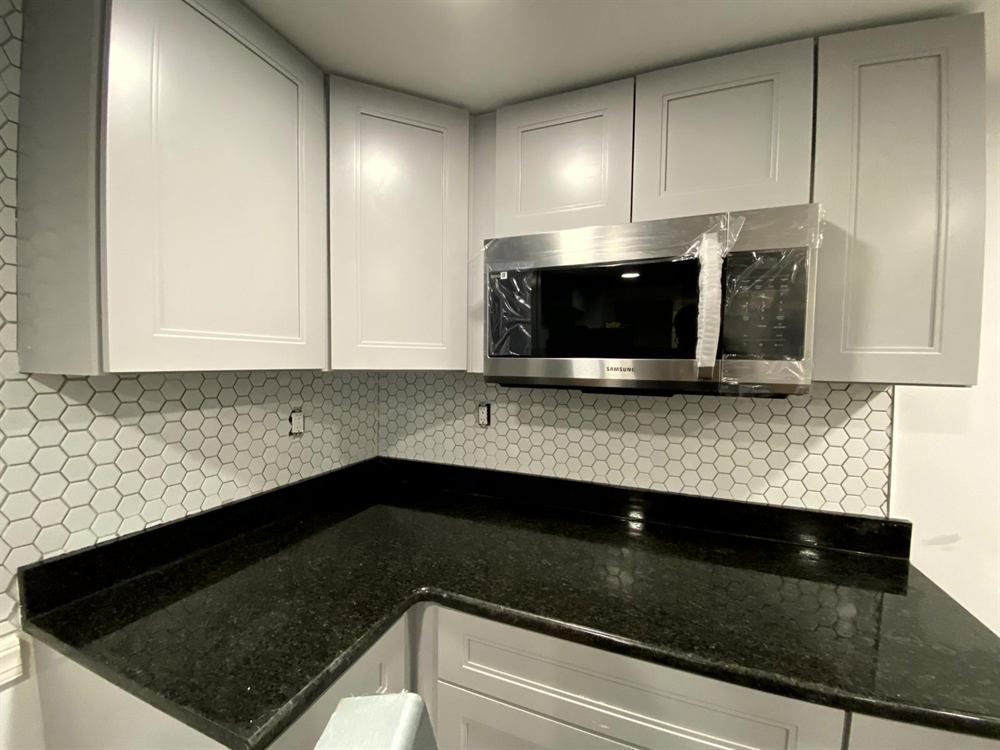
Under-cabinet LED strips brighten countertops for chopping and mixing, pendant fixtures highlight islands or dining areas, and recessed cans provide general illumination without visual clutter. Dimmer controls add flexibility, adjusting intensity for cooking, entertaining, or late-night snacking as needs shift throughout the day.
Ignoring Electrical and Outlet Placement
Modern kitchens demand significantly more electrical capacity than older homes typically provide, requiring panel upgrades and strategic outlet placement to support appliances, charging stations, and task lighting. Failing to plan electrical infrastructure during renovation locks you into inconvenient configurations or requires costly retrofits later.
Building codes mandate outlet spacing along countertops, typically every four feet, with dedicated circuits for high-draw appliances like refrigerators, microwaves, and dishwashers. Planning also includes USB charging ports, switches for under-cabinet lighting, and connections for smart home devices that enhance convenience and energy management.
Timeline and Project Management Mistakes
Unrealistic expectations about project duration and lack of clear communication channels cause unnecessary stress even when renovations proceed smoothly from a technical standpoint.
Unrealistic Timeline Expectations
Many homeowners expect kitchen renovations to complete in one to two weeks, underestimating the sequential nature of trades and material delivery schedules. Typical projects require four to eight weeks depending on scope, with custom cabinetry often extending timelines due to manufacturing lead times that range from six to twelve weeks.
Licensed contractors provide realistic schedules accounting for inspections, delivery windows, and weather impacts when exterior work like new windows or doors intersects with kitchen projects. Building buffer time into your expectations reduces frustration when minor delays occur, keeping stress levels manageable throughout the renovation journey.
Living in the Home During Major Renovations
While staying in your home during kitchen work saves temporary housing expense, it significantly increases stress and may slow progress as contractors work around occupants. Dust, noise, disrupted routines, and lack of cooking facilities for weeks test even patient homeowners, sometimes leading to rushed decisions that compromise final results.
If staying in place, establish a temporary kitchen in another room with microwave, cooler, and basic supplies. Discuss daily schedules with contractors to minimize disruption, setting expectations about work hours, site cleanup protocols, and dust containment measures that protect living areas from construction debris.
Poor Communication with Contractors
Assuming contractors intuitively understand your vision without explicit communication invites misalignment between expectations and execution. Regular check-ins, documented decisions, and prompt responses to contractor questions keep projects on track while preventing costly assumptions that diverge from your preferences.
Establishing a primary point of contact, preferred communication channels (text, email, or phone), and regular update intervals creates structure that keeps everyone aligned. Documenting major decisions in writing provides a reference trail if questions arise later, protecting both homeowner and contractor from misunderstandings.
Post-Installation Mistakes That Reduce Longevity
The work doesn’t end when contractors leave. Proper maintenance and thoughtful adjustments during the first months of use ensure your new kitchen delivers lasting value and performance.
Skipping Proper Appliance Installation
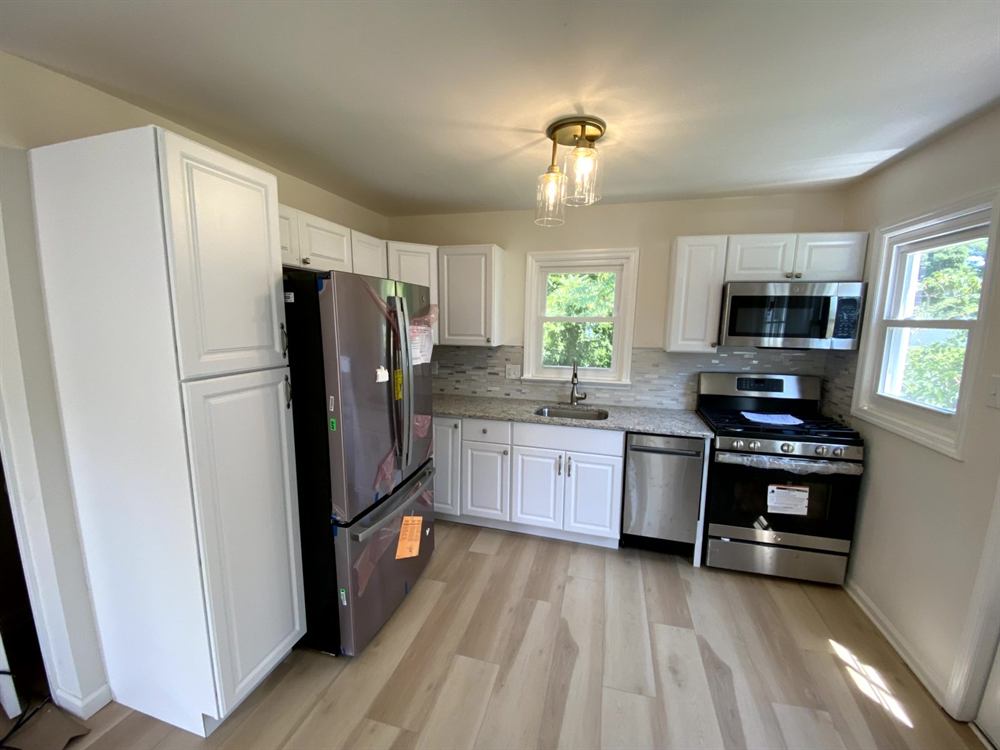
DIY appliance installation or hiring unqualified individuals sometimes results in improper connections, voided warranties, or safety hazards like gas leaks or electrical shorts. Professional installation ensures appliances operate efficiently, meet code requirements, and maintain manufacturer warranty coverage that protects against defects.
Licensed plumbers handle dishwasher and refrigerator water lines, electricians connect ranges and microwaves, and HVAC technicians integrate ventilation systems properly. These specialists carry insurance protecting you from liability if installation errors cause damage or injury, making professional service worthwhile despite added expense.
Neglecting Manufacturer Care Instructions
Every surface material requires specific cleaning and maintenance protocols that preserve appearance and prevent damage. Ignoring these guidelines leads to premature wear, staining, or finish degradation that could have been avoided with proper care from the start.
Countertop sealers need periodic reapplication, hardwood or laminate floors require specific cleaning products, and cabinet finishes benefit from gentle cleaners rather than harsh chemicals. Contractors typically provide care instructions during final walkthrough, and manufacturers publish detailed guides that specify recommended products and maintenance schedules.
Failing to Address Minor Issues Immediately
Small problems like loose cabinet hardware, minor leaks, or poorly adjusted doors often worsen if ignored, eventually requiring more extensive repairs. Addressing issues promptly during the warranty period ensures contractors resolve them at no additional charge, protecting your investment and preventing minor annoyances from becoming major headaches.
Most licensed remodelers offer warranties covering workmanship for one to two years, with material manufacturers providing separate coverage for defects. Documenting issues with photos and contacting your contractor promptly establishes a clear timeline if warranty claims become necessary later.
Frequently Asked Questions
How much should I budget for unexpected costs during kitchen renovation?
Experienced contractors recommend setting aside 15 to 20 percent of your total project budget as a contingency reserve for unexpected conditions discovered during demolition, such as outdated wiring, plumbing issues, or structural concerns that require remediation. This buffer prevents project delays when hidden problems surface, keeping renovations on track without financial strain.
What is the most important factor when choosing a kitchen layout?
The work triangle principle remains the most critical layout consideration, positioning your sink, stove, and refrigerator within comfortable reach of each other, typically four to nine feet apart. This configuration minimizes unnecessary movement during meal preparation while creating efficient workflow patterns that reduce fatigue and increase cooking enjoyment. Layouts that disrupt this relationship often frustrate homeowners despite attractive aesthetics.
Should I attempt any DIY work during my kitchen renovation?
While painting or simple demolition may suit confident DIYers, electrical work, plumbing, gas connections, and structural modifications require licensed professionals for both safety and code compliance reasons. Attempting complex tasks without proper training risks injury, creates code violations that complicate future home sales, and may void warranties on materials or appliances if improper installation causes damage.
How do I know if my contractor estimate is fair?
Obtaining three to four detailed estimates from licensed contractors establishes market rates for your specific project scope. Fair estimates include itemized line items separating materials from labor, specify brand names and model numbers for major components, outline payment schedules tied to project milestones, and provide realistic timelines accounting for inspections and material lead times. Extremely low bids often indicate incomplete scope or quality compromises that surface later as change orders.
What kitchen features provide the best return on investment?
Neutral cabinetry in white or light wood tones, durable quartz or granite countertops, stainless steel appliances, and quality lighting consistently appeal to broad buyer pools and justify renovation expenses through increased home value. Timeless design choices outperform trendy features when maximizing resale value, while functional improvements like improved storage, better workflow, and enhanced ventilation deliver daily benefits regardless of future sale plans.
Protecting Your Kitchen Renovation Investment
Avoiding common kitchen renovation mistakes requires thorough planning, realistic budgeting, careful contractor selection, and attention to functional details that affect daily use. Homeowners who invest time upfront to finalize designs, verify contractor credentials, and understand material performance characteristics experience smoother projects with results that deliver lasting satisfaction.
Working with licensed and insured professionals who maintain transparent communication, provide detailed estimates, and stand behind their work with comprehensive warranties protects both your financial investment and peace of mind throughout the renovation journey.
The team at Reliable Home Remodeling brings extensive experience helping Philadelphia homeowners navigate kitchen renovations from initial concept through final installation, backed by consistent five-star reviews and a commitment to quality craftsmanship. Whether you’re planning a complete transformation or targeted updates, professional guidance ensures your project avoids common pitfalls while achieving the functional, beautiful kitchen you envision.
Ready to start your kitchen renovation with confidence? Request a free estimate to discuss your project goals, explore design options, and receive transparent pricing that helps you make informed decisions every step of the way.