Kitchen Lighting Ideas: How to Layer Ambient, Task and Accent Lighting
In summary
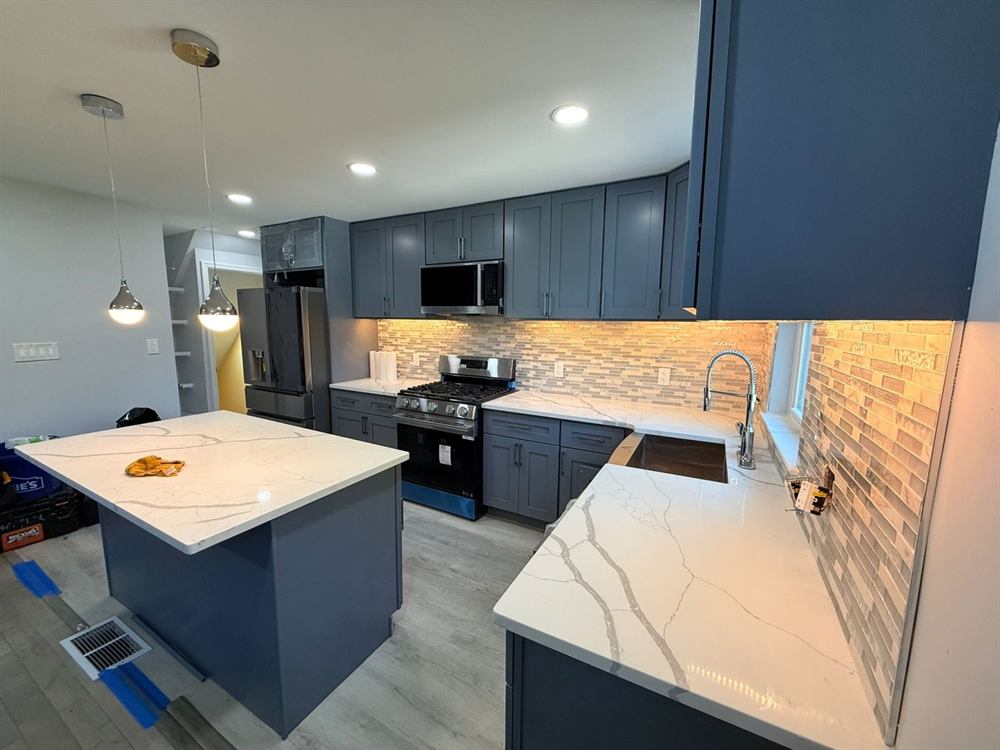
- Successful kitchen lighting combines three distinct layers: ambient for general illumination, task for work surfaces and accent for visual interest and depth
- Under-cabinet LED strips eliminate shadows on countertops and represent the most critical task lighting element in any kitchen renovation
- Warm white ambient lighting paired with neutral white task lighting creates the ideal balance of comfort and functionality for Philadelphia kitchens
Kitchen lighting is one of the most powerful tools in interior design, yet it remains one of the most overlooked. The right lighting strategy can make a cramped kitchen feel spacious, highlight beautiful finishes and eliminate frustrating shadows over work surfaces. When homeowners invest in kitchen renovation, lighting design should sit at the center of the planning process, not as an afterthought.
Professional designers approach kitchen lighting through three distinct layers: ambient lighting that provides overall illumination, task lighting that supports specific work activities and accent lighting that adds visual interest and depth. Each layer serves a unique purpose, and when combined thoughtfully, they create a kitchen that adapts to every need throughout the day.
Understanding the Three Layers of Kitchen Lighting
The layered lighting approach has become the industry standard because it mirrors how people actually use their kitchens. A single overhead fixture cannot adequately serve the varied needs of food preparation, casual dining, homework sessions and evening entertaining. Each activity demands different light levels, color temperatures and directional focus.
Ambient Lighting: The Foundation Layer
Ambient lighting establishes the general light level throughout the kitchen space. This base layer ensures safe movement and provides uniform illumination that reduces eye strain. Common ambient sources include recessed ceiling fixtures, flush mount ceiling lights, pendant lights over islands when used in multiples and track lighting systems with adjustable heads.
Most kitchens benefit from ambient lighting that delivers between 50 and 100 lumens per square foot. For a typical 120 square foot kitchen, this translates to roughly 6,000 to 12,000 total lumens from all ambient sources combined. LED technology has made achieving these levels both energy efficient and cost effective.
Task Lighting: Precision Where It Matters
Task lighting focuses bright, shadow-free illumination on specific work surfaces. The most critical task zones include countertops where food preparation occurs, the cooktop and range area, the sink and cleanup zone, and islands or peninsulas used for chopping and assembly.
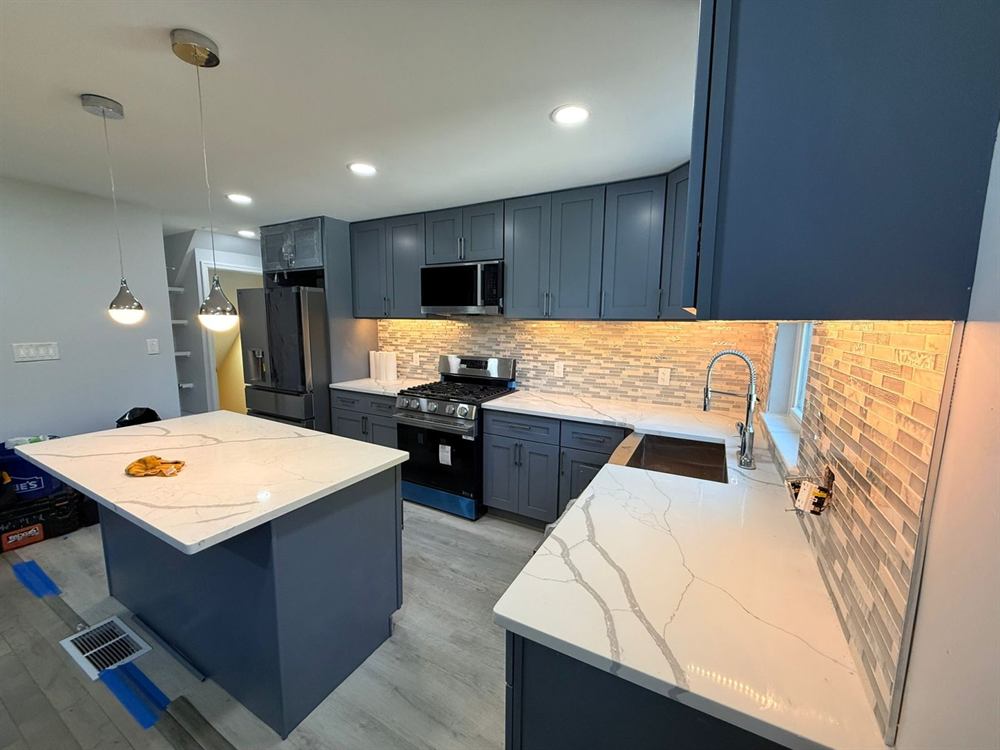
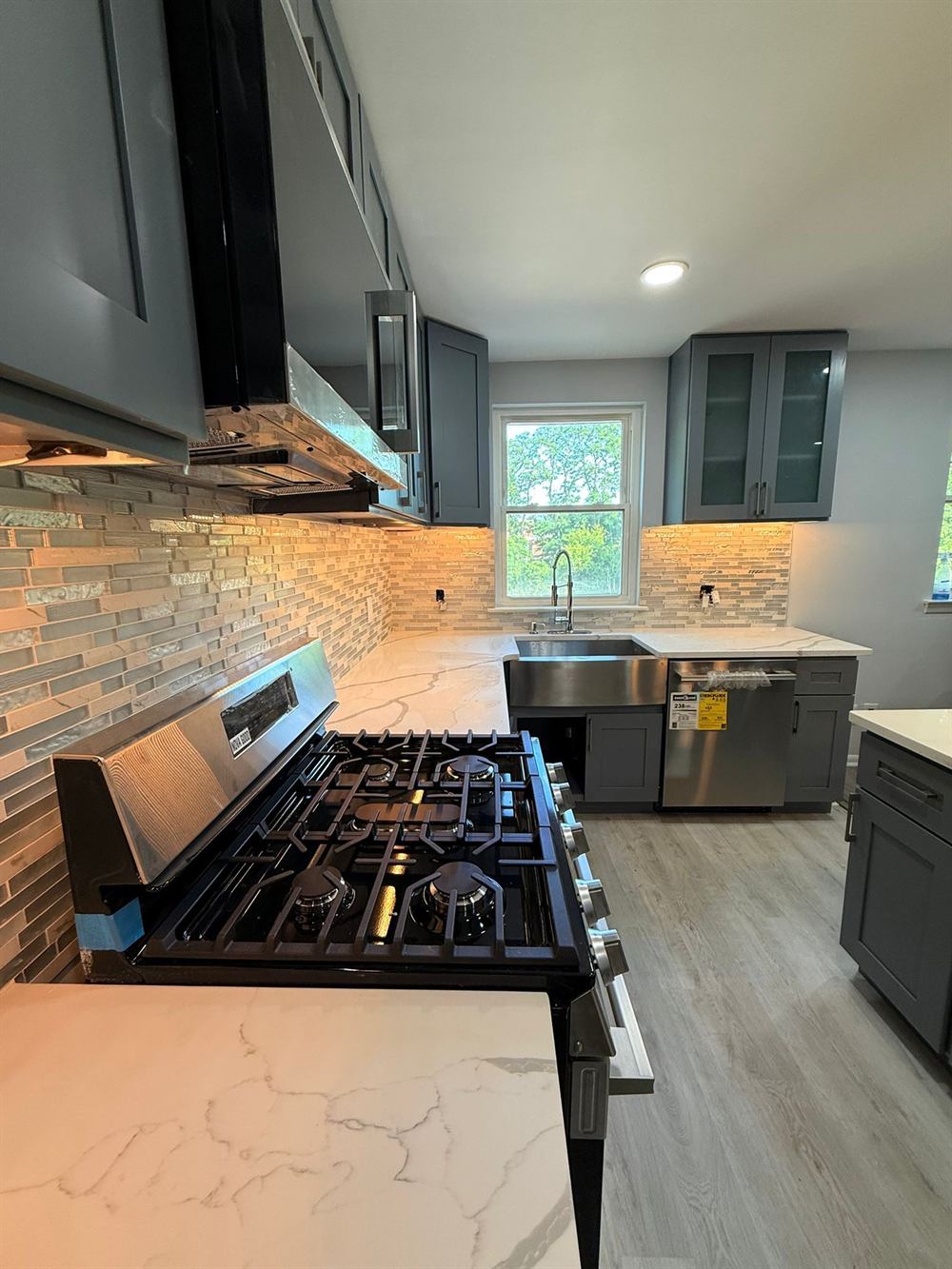
Under-cabinet LED strips have become the gold standard for countertop task lighting because they eliminate the shadows cast by overhead fixtures. These low-profile systems mount beneath wall cabinets and direct light downward onto work surfaces. Quality under-cabinet lighting should provide at least 300 lumens per linear foot for optimal task performance.
Pendant lights suspended 30 to 36 inches above islands or breakfast bars deliver focused task lighting while adding visual interest. For a standard 36-inch-wide island, two to three pendants typically provide adequate coverage without creating a cluttered appearance.
Accent Lighting: Depth and Drama
Accent lighting adds the finishing touch that transforms a functional kitchen into an inviting space. This layer creates visual depth, highlights architectural features and draws attention to design elements worth showcasing. Common accent applications include interior cabinet lighting that illuminates glass-front cabinets or open shelving, toe-kick lighting that creates a floating effect beneath base cabinets, cove lighting above cabinets that adds upward glow and focused spotlights on artwork or display niches.
Accent lighting operates at lower intensity than task or ambient layers, typically at 10 to 30 percent of the ambient light level. The goal is to create subtle visual interest rather than functional illumination.
Practical Implementation Strategies
Theory becomes useful only when translated into actionable installation plans. The following strategies help homeowners and contractors implement effective layered lighting during renovation projects.
Planning Fixture Placement
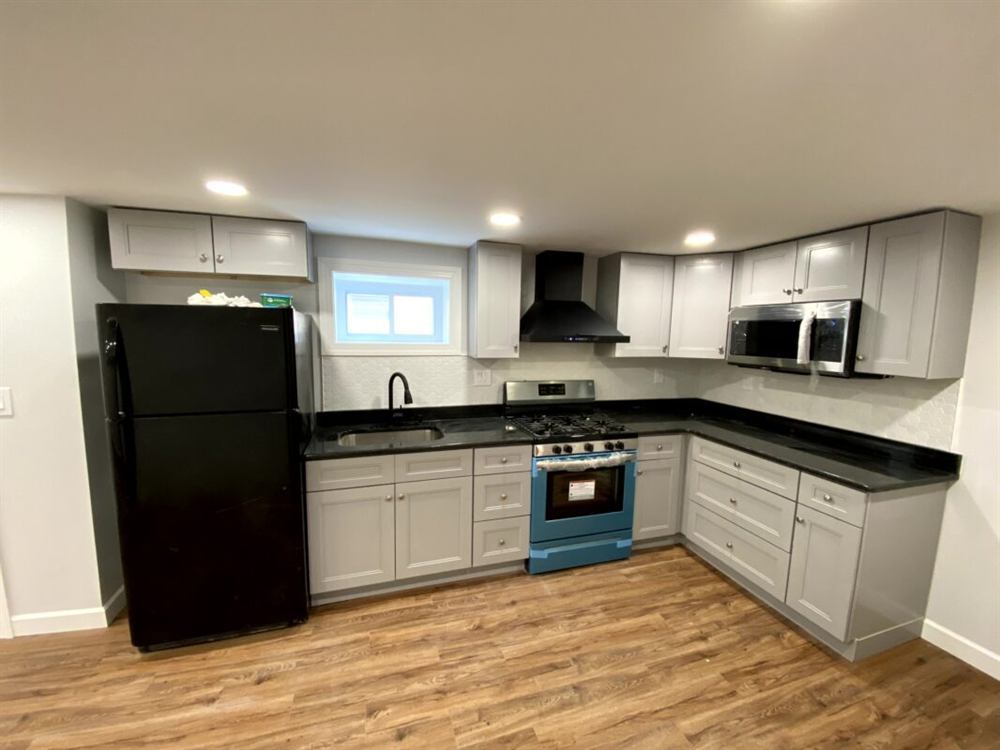
Recessed ambient fixtures work best on a grid pattern with spacing between 4 and 6 feet depending on ceiling height and beam angle. In kitchens with 8-foot ceilings, 4-foot spacing prevents dark spots. Higher ceilings accommodate wider spacing without sacrificing coverage.
Under-cabinet task lighting should run the full length of each cabinet section, stopping only at appliances or other interruptions. Continuous LED strips provide more even illumination than puck lights, which can create scalloped patterns with visible bright and dim zones.
Pendant lights over islands should align with the cabinet layout rather than centered in the room. This creates visual harmony and ensures the light falls where people actually work. For islands longer than 6 feet, three pendants typically provide better balance than two.
Selecting Color Temperature
Color temperature, measured in Kelvin, dramatically affects how a kitchen feels. Warm white light at 2700K to 3000K creates a cozy, residential atmosphere similar to traditional incandescent bulbs. Neutral white at 3500K to 4100K offers a clean, modern feel that many homeowners prefer for task areas. Cool white above 5000K mimics daylight and can make spaces feel clinical if overused.
Most designers recommend warm white for ambient and accent layers combined with neutral white for task lighting. This combination maintains warmth while providing clear visibility for detailed work. Dimmer controls extend this flexibility by allowing adjustment based on time of day and activity.
Professional Tip: Install separate dimmer switches for each lighting layer. This allows independent control of ambient, task and accent fixtures, creating maximum flexibility for different activities and times of day.
Avoiding Common Mistakes
Several lighting pitfalls appear repeatedly in kitchen projects. Overlighting creates a harsh, institutional feel and wastes energy. Many homeowners install far more recessed fixtures than needed, thinking more light equals better design. In reality, strategic placement of fewer high-quality fixtures produces superior results.
Underlighting task areas forces people to work in their own shadows, creating frustration during food preparation. This typically occurs when homeowners rely solely on ambient ceiling fixtures without adding under-cabinet or pendant task lighting.
Ignoring natural light patterns leads to fixtures that compete with or waste sunlight during peak hours. Observe how natural light moves through the space at different times, then position artificial lighting to complement rather than duplicate those patterns.
Mixing incompatible color temperatures within the same visual field creates an unsettling patchwork appearance. When multiple fixtures appear in the same line of sight, they should share the same color temperature even if intensities differ.
Integration with Kitchen Design Elements
Lighting must coordinate with other design decisions made during kitchen renovation projects. Cabinet finishes, countertop materials, wall colors and flooring all affect how light reflects and disperses throughout the space.
Dark Versus Light Finishes
Dark cabinets and countertops absorb light, requiring higher ambient levels to achieve the same perceived brightness as lighter finishes. Kitchens with dark wood or painted cabinets typically need 20 to 30 percent more lumens than equivalent spaces with white or light-colored finishes.
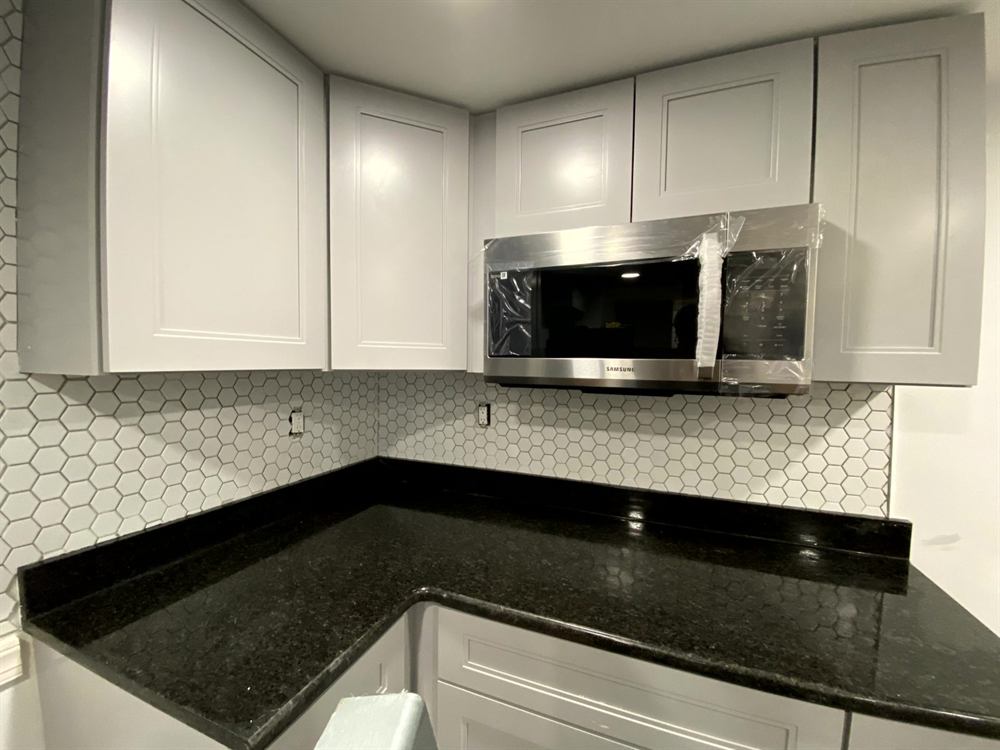
Glossy surfaces reflect light more efficiently than matte finishes, sometimes creating unwanted glare if fixtures are poorly positioned. Under-cabinet lighting aimed at polished granite or quartz countertops may require diffusers to prevent harsh reflections.
Open Versus Closed Layouts
Open concept kitchens that flow into living or dining areas require coordinated lighting strategies across multiple zones. The kitchen lighting should transition smoothly to adjacent spaces without abrupt changes in intensity or color temperature.
Closed kitchens with defined walls allow more focused lighting strategies since fixtures need only serve the kitchen space itself. This containment can actually simplify design decisions while reducing overall fixture count.
Cabinet Configuration Impact
Kitchens with extensive upper cabinetry benefit most from under-cabinet task lighting since wall cabinets block ambient light from reaching countertops. Conversely, kitchens with minimal upper cabinets or open shelving may receive adequate task lighting from well-positioned recessed fixtures or pendants.
Glass-front cabinet doors present opportunities for interior accent lighting that showcases dishware or glassware. LED strips or small puck lights mounted inside cabinets create dramatic displays visible from across the room.
Energy Efficiency and Smart Controls
Modern lighting technology delivers both superior performance and reduced energy consumption compared to older systems. LED fixtures have become the universal standard for kitchen applications due to their longevity, efficiency and design flexibility.
LED Advantages
Quality LED fixtures typically last 25,000 to 50,000 hours, equivalent to 10 to 20 years of normal use. This extended lifespan eliminates the recurring maintenance burden of replacing bulbs in hard-to-reach ceiling fixtures.
LEDs consume 75 to 80 percent less energy than equivalent incandescent fixtures while producing the same light output. For a kitchen using 800 watts of incandescent lighting four hours daily, switching to LED reduces consumption by roughly 600 watts, saving approximately 876 kilowatt-hours annually.
LED technology generates minimal heat compared to incandescent or halogen alternatives. This characteristic proves particularly valuable for under-cabinet task lighting, where excessive heat could affect items stored in cabinets or damage cabinetry finishes over time.
Smart Lighting Integration
Smart switches, dimmers and fixtures add convenience and further energy savings. These systems allow programming of lighting scenes that instantly configure all fixtures for specific activities. A food preparation scene might activate task lighting at full brightness while dimming ambient fixtures to 50 percent. An entertaining scene could emphasize accent lighting while reducing task illumination.
Motion sensors and timers ensure lights operate only when needed, particularly useful for pantries, mudroom entries and other transitional spaces adjacent to the kitchen. Occupancy-based controls can reduce energy consumption by 30 to 50 percent in appropriate applications.
Voice control through smart home platforms adds hands-free operation, useful when hands are full or messy during cooking. Simple commands can adjust lighting without touching switches or fumbling for dimmer controls.
Working with Philadelphia Building Requirements
Kitchen lighting installations in Philadelphia must comply with local electrical codes and permit requirements. Significant lighting upgrades typically require electrical permits, particularly when adding new circuits or relocating fixtures.
Licensed contractors familiar with Philadelphia code requirements ensure installations meet safety standards while avoiding costly corrections. Homeowners pursuing DIY lighting projects should consult with the local building department before beginning work to understand permit obligations and inspection schedules.
Professional installation also ensures proper integration with existing electrical systems. Many older Philadelphia homes have limited electrical capacity that may require service upgrades before adding extensive new lighting loads. Experienced contractors identify these limitations during planning rather than discovering them mid-project.
Practical Cost Considerations
Kitchen lighting budgets vary widely based on fixture selection, layout complexity and installation requirements. A basic three-layer lighting system with quality LED fixtures typically represents 8 to 12 percent of total kitchen remodeling costs.
Under-cabinet LED strips offer excellent value, providing professional-grade task lighting at modest expense. Recessed LED fixtures have decreased substantially in recent years as LED technology matured. Decorative pendant lights over islands present the widest range, with options spanning from budget-friendly to designer showpieces.
Smart controls add incremental expense but deliver long-term value through energy savings and enhanced convenience. Basic dimmer switches represent minimal investment, while comprehensive smart home integration requires larger upfront commitment.
Homeowners should prioritize fixture quality over quantity. A smaller number of well-designed, properly positioned fixtures outperforms a large collection of mediocre options. This approach typically delivers better results at lower total expense.
Maintenance and Long-Term Performance
Quality LED lighting systems require minimal ongoing maintenance beyond periodic cleaning. Dust accumulation on fixture lenses and lamp surfaces can reduce light output by 10 to 20 percent over time, making annual cleaning worthwhile.
Under-cabinet LED strips mounted in dusty or greasy environments benefit from occasional wipe-down with appropriate cleaners. Avoid harsh chemicals that might damage protective coatings or diffuser materials.
Dimmer switches and smart controls should be tested periodically to ensure proper operation. Programming and settings occasionally require refreshing after power outages or system updates.
When LED fixtures eventually require replacement, technology advances often mean superior options at lower expense than original installations. Planning for future upgrades during initial installation, such as including spare circuits or oversized junction boxes, simplifies eventual modernization.
Real-World Philadelphia Kitchen Examples
Local projects demonstrate how layered lighting transforms kitchen functionality and aesthetics. A recent Society Hill townhouse kitchen renovation replaced a single overhead fluorescent fixture with eight recessed LED ambient fixtures, continuous under-cabinet LED strips and three pendant lights over a new island. The homeowner reported the kitchen feels twice as large and eliminates the shadows that previously made detailed prep work frustrating.
A Chestnut Hill colonial kitchen incorporated interior cabinet lighting in glass-front upper cabinets, creating an elegant display for heirloom china. Toe-kick LED strips beneath base cabinets add subtle ambient light during evening hours without the harsh brightness of full overhead lighting. The layered approach allows the space to transition from bright workspace during meal preparation to intimate gathering space during entertaining.
These examples illustrate principles applicable across diverse architectural styles and budget levels. The specific fixtures and configurations vary, but the underlying three-layer strategy remains constant.
Frequently Asked Questions
What is the most important lighting layer in a kitchen?
Task lighting represents the most critical layer because it directly impacts the functionality and safety of food preparation activities. Under-cabinet lighting that eliminates shadows on countertops prevents cutting injuries and makes detailed work like chopping, measuring and reading recipes significantly easier. While ambient lighting provides general illumination and accent lighting adds aesthetic appeal, neither can substitute for proper task lighting in work zones. Homeowners forced to choose due to budget constraints should prioritize task lighting first, then add ambient and accent layers as resources allow.
How many recessed lights does a kitchen need?
The number of recessed lights depends on kitchen size, ceiling height and fixture specifications rather than a fixed formula. A typical guideline suggests one recessed fixture per 25 to 30 square feet of floor space for kitchens with 8-foot ceilings. A 150 square foot kitchen would therefore need approximately five to six recessed fixtures for adequate ambient lighting. Higher ceilings require more fixtures or higher-output options to achieve the same light levels. This calculation assumes recessed lighting provides the primary ambient layer, supplemented by task and accent sources. Kitchens relying on multiple pendant lights or other ambient sources may need fewer recessed fixtures.
Should kitchen lighting be warm or cool white?
Most designers recommend warm white light in the 2700K to 3000K range for ambient and accent layers, combined with neutral white at 3500K to 4100K for task lighting. Warm white creates an inviting, residential atmosphere while neutral white provides the clarity needed for detailed food preparation work. This combination balances functionality with comfort. Avoid cool white light above 5000K in residential kitchens, as it tends to create a harsh, institutional feeling that most homeowners find unwelcoming. Color temperature preference has some regional and personal variation, so viewing fixture samples in the actual space before final selection helps ensure satisfaction with the final result.
Can I install kitchen lighting myself or should I hire a professional?
Simple fixture replacements that use existing wiring and junction boxes often fall within DIY capabilities for homeowners comfortable with basic electrical work. However, comprehensive lighting upgrades that involve adding new circuits, relocating fixtures or installing recessed lights typically require professional installation. Philadelphia electrical code mandates permits for most significant electrical work, and inspections verify installations meet safety standards. Professional contractors familiar with local requirements ensure code compliance while protecting homeowner liability. Licensed installation also maintains home insurance coverage, which may be voided by unpermitted electrical work. Projects involving whole house renovation should always include professional lighting design and installation as part of the comprehensive scope.
How much does it cost to upgrade kitchen lighting in Philadelphia?
Kitchen lighting upgrade expenses vary based on scope, fixture selection and installation complexity. A basic three-layer system with quality LED recessed fixtures, under-cabinet strips and modest pendant lights typically represents 8 to 12 percent of total renovation budgets. For a mid-range kitchen project, lighting components and installation might account for several thousand dollars. This investment delivers immediate functional improvements, enhanced home value and ongoing energy savings that offset initial expense over time. Smart controls and high-end designer fixtures increase upfront spending but add convenience and aesthetic appeal. Philadelphia homeowners should request detailed estimates from licensed contractors to understand specific project requirements and options at different budget levels.
Transform Your Kitchen with Professional Lighting Design
Layered lighting represents one of the most impactful investments homeowners can make during kitchen renovation. The combination of ambient, task and accent lighting creates spaces that adapt to every need while showcasing the beauty of quality finishes and thoughtful design.
Philadelphia homeowners planning kitchen updates should consider lighting strategy early in the design process, not as a last-minute detail. The right lighting plan enhances both daily functionality and long-term satisfaction with the completed space. Professional designers understand how fixture placement, color temperature and control systems work together to create beautiful, practical kitchens.
Reliable Home Remodeling brings extensive experience in kitchen lighting design and implementation throughout Philadelphia and surrounding communities. The team works with homeowners to develop customized lighting plans that complement architectural style, support daily activities and fit within project budgets. From initial consultation through final walkthrough, every detail receives careful attention to ensure lasting results.
Ready to explore how professional lighting design can transform your kitchen? Request a free estimate to discuss your project goals and discover the possibilities for your Philadelphia home. Licensed, insured and backed by consistent five-star reviews, Reliable Home Remodeling delivers the quality craftsmanship and customer-focused service that local homeowners trust for their most important renovation projects.