Kitchen Cabinets Buying Guide: Materials, Finishes and Durability
Kitchen cabinets represent one of the most significant investments in any kitchen renovation project. They define the visual character of the space while providing essential storage and functionality. With countless material options, finish styles, and construction methods available, selecting the right cabinets requires careful consideration of both aesthetic preferences and practical performance factors.
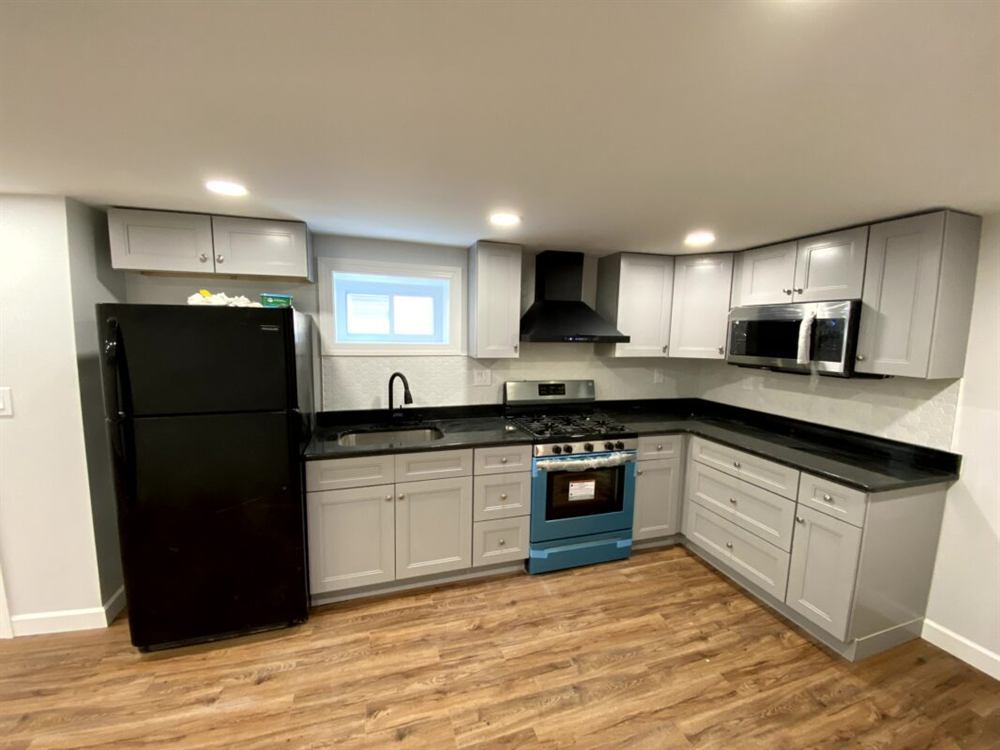
This comprehensive buying guide breaks down everything homeowners need to know about cabinet materials, finishes, and durability expectations. Whether planning a full kitchen remodel or simply updating existing cabinetry, understanding these fundamental elements helps ensure a choice that delivers beauty and longevity.
Understanding Cabinet Construction Types
Cabinet construction significantly impacts both durability and overall quality. The three primary construction methods each offer distinct advantages and considerations for different budgets and performance expectations.
Framed Cabinet Construction
Framed cabinets feature a face frame attached to the front of the cabinet box. This traditional American construction style creates a sturdy structure with visible frames around door and drawer openings. The frame adds rigidity and provides multiple mounting points for hinges and hardware.
Framed construction typically uses thicker materials and offers greater strength, making it an excellent choice for larger cabinet installations. The face frame does reduce the interior opening slightly compared to frameless designs, but many homeowners appreciate the classic appearance and enhanced structural integrity.
Frameless Cabinet Construction
Also called European-style construction, frameless cabinets eliminate the face frame entirely. Doors and drawers attach directly to the cabinet box sides, creating a seamless, contemporary appearance with full access to the interior space.
This construction method maximizes storage capacity and suits modern design aesthetics. Frameless cabinets require precise manufacturing and high-quality materials to maintain structural integrity without the reinforcement of a face frame. The hinge systems used in frameless construction allow for easier adjustment and replacement over time.
Inset Cabinet Construction
Inset cabinets represent premium construction where doors and drawer fronts sit flush within the cabinet frame rather than overlaying it. This method requires exceptional precision during manufacturing and installation, resulting in tight, uniform gaps between all components.
The craftsmanship involved in inset construction typically commands higher pricing, but the result is a refined, furniture-quality appearance that many homeowners find worth the investment. Inset cabinets work beautifully in both traditional and transitional kitchen designs.
Cabinet Material Options and Performance
The materials used in cabinet construction directly influence durability, maintenance requirements, and long-term performance. Understanding the characteristics of each material helps align choices with lifestyle needs and budget parameters.
Solid Wood Cabinets
Solid wood construction remains the gold standard for cabinet quality and longevity. Common species include maple, oak, cherry, hickory, and walnut, each offering unique grain patterns and color variations.
Solid wood cabinets can be refinished multiple times throughout their lifespan, allowing for style updates without complete replacement. Natural wood does respond to humidity changes, potentially expanding or contracting slightly with seasonal variations. Proper finishing and sealing minimizes this movement while protecting the wood from moisture damage.
The density and hardness vary by species, with maple and hickory offering exceptional durability for high-use areas, while cherry and walnut provide rich, warm tones that deepen beautifully over time.
Plywood Cabinet Boxes
High-quality plywood serves as an excellent core material for cabinet boxes, offering superior strength and moisture resistance compared to particleboard alternatives. Multi-ply construction creates a stable, warp-resistant structure that holds screws and hardware securely.
Cabinet-grade plywood typically features a hardwood veneer on visible surfaces, combining the structural advantages of engineered wood with the appearance of solid wood. This material choice provides a strong foundation while often reducing overall cabinet weight compared to solid wood construction.
MDF and Particleboard Options
Medium-density fiberboard (MDF) and particleboard offer budget-friendly alternatives for cabinet construction. MDF provides a smooth, uniform surface ideal for painted finishes, as it lacks the grain patterns and knots found in natural wood.
Quality varies significantly among engineered wood products. Higher-density versions with moisture-resistant additives perform adequately in most kitchen environments when properly sealed and finished. These materials work best for cabinet doors and face frames rather than structural box components, where plywood or solid wood construction provides superior long-term durability.
Material Selection Tip: For optimal durability and value, consider combining materials. Many quality cabinets feature plywood box construction with solid wood or MDF door fronts, balancing structural integrity with finish quality and cost efficiency.
Cabinet Finish Types and Durability Factors
The finish applied to cabinet surfaces protects the underlying material while defining the visual style. Different finish types offer varying levels of durability, maintenance requirements, and aesthetic characteristics.
Painted Cabinet Finishes
Painted finishes provide unlimited color options and work beautifully in both contemporary and traditional kitchen designs. High-quality paint systems involve multiple preparation steps, primer applications, and topcoat layers to ensure durability.
Professional-grade cabinet paints create a hard, smooth surface resistant to everyday wear. Catalyzed conversion varnish or polyurethane topcoats add an extra layer of protection against moisture, grease, and cleaning products. Lighter paint colors tend to show wear and discoloration less noticeably than darker shades over time.
Proper surface preparation is critical for painted cabinet longevity. MDF and maple provide ideal substrates for paint due to their smooth, grain-free surfaces that minimize the visibility of brush marks or texture.
Stained Wood Finishes
Stain finishes highlight natural wood grain patterns while adding color depth and character. Penetrating stains soak into the wood fibers, while wiping stains sit primarily on the surface, each creating different visual effects and protection levels.
A clear topcoat over stained wood provides essential protection against moisture, scratches, and daily use. Polyurethane, conversion varnish, and lacquer finishes each offer different durability characteristics and sheen options from matte to high gloss.
Stained finishes generally show scratches and wear less obviously than painted surfaces, as minor damage blends into the natural wood variation. Periodic cleaning and occasional reapplication of protective finish extends the life and beauty of stained cabinets significantly.
Thermofoil and Laminate Surfaces
Thermofoil involves heat-adhering a vinyl film over MDF substrate, creating a seamless, easy-to-clean surface. This finish option offers consistent color and texture at an accessible price point, with good resistance to moisture and staining.
Limitations include susceptibility to peeling near heat sources and difficulty repairing damage. Thermofoil works well for budget-conscious projects or rental properties where replacement rather than refinishing is anticipated.
Laminate surfaces bond decorative paper or melamine to particleboard or MDF cores, providing durable, low-maintenance cabinets available in countless colors and patterns, including realistic wood grain reproductions. Modern high-pressure laminates resist scratches, moisture, and fading better than earlier generations of the material.
Hardware and Hinge Quality Considerations
Cabinet hardware significantly impacts daily function and long-term durability. Quality hinges, drawer slides, and pulls make the difference between cabinets that operate smoothly for decades and those requiring frequent adjustment or replacement.
Hinge Types and Performance
Concealed European hinges dominate modern cabinet construction, offering easy adjustment in three dimensions and hidden mounting that maintains clean lines. Quality hinges feature steel construction with smooth-action springs that prevent door sag over time.
Soft-close mechanisms have become standard in quality cabinetry, protecting cabinet boxes and door frames from impact damage while reducing noise. This feature particularly benefits households with children or anyone who values a quieter kitchen environment.
Exposed hinges suit traditional styles and cost less than concealed options, but they require precise installation and offer limited adjustment capability once mounted. Solid brass or stainless steel construction ensures longevity in visible hinge applications.
Drawer Slide Options
Drawer slides range from basic side-mount roller tracks to premium undermount soft-close systems. Full-extension slides allow complete drawer access, essential for accessing items stored at the back of deep cabinets.
Undermount slides hide from view while providing smooth, quiet operation. Ball-bearing construction in quality slides ensures consistent performance under load and extends operational life significantly compared to roller-based alternatives.
Weight rating matters for drawer slides, especially in base cabinets storing heavy cookware or small appliances. Quality manufacturers specify load capacity, helping ensure appropriate slide selection for intended use.
Evaluating Cabinet Durability for Long-Term Performance
True cabinet durability extends beyond initial construction quality to encompass how well the cabinets maintain appearance and function over years of daily use. Several factors influence long-term performance and satisfaction.
Joint Construction and Assembly Methods
Cabinet boxes assembled with dovetail or mortise-and-tenon joints provide superior strength compared to simple butt joints held by staples or nails. These traditional joinery methods create mechanical interlocking that reinforces adhesive bonds.
Dowel construction offers a middle ground, providing adequate strength for most applications at a lower manufacturing cost than traditional joinery. The key is ensuring sufficient dowels of appropriate diameter for the material thickness and load expectations.
Screwed and glued assembly creates strong connections, particularly in plywood construction where the layered structure holds fasteners securely. Confirmat screws and other specialized cabinet fasteners distribute stress better than standard wood screws.
Finish Thickness and Application Quality
Multiple thin finish coats outperform single thick applications in durability and appearance. Professional finishing processes sand between coats, creating smooth surfaces with excellent adhesion between layers.
Factory-applied finishes typically surpass field-applied options in consistency and durability due to controlled environment conditions and specialized equipment. The curing process significantly impacts final hardness, with catalyzed finishes achieving superior toughness compared to air-dried alternatives.
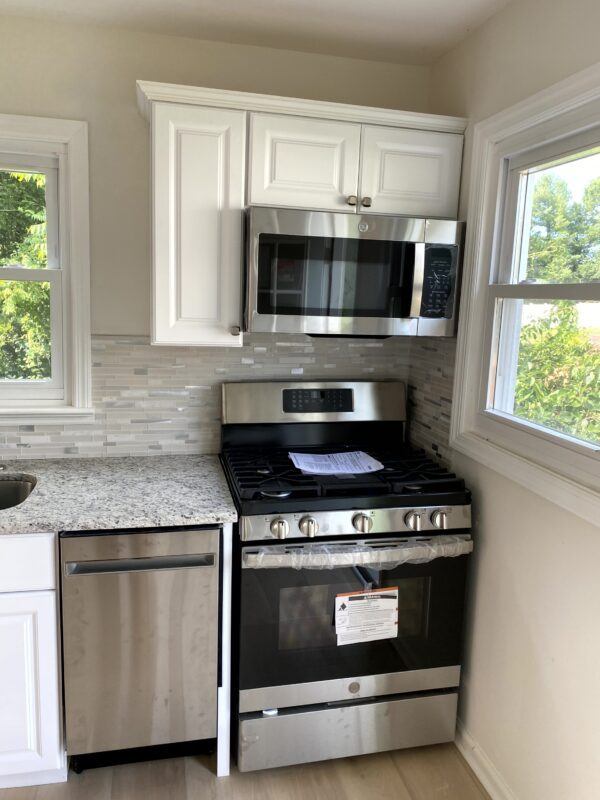
Edge and interior finishing demonstrates manufacturer attention to detail. Fully finished interiors resist moisture penetration and simplify cleaning, while unfinished interiors may absorb spills and odors over time.
Moisture Resistance and Environmental Factors
Kitchen environments expose cabinets to temperature fluctuations, humidity variations, and occasional water contact. Moisture-resistant materials and finishes extend cabinet life in these challenging conditions.
Sink base cabinets face particularly harsh conditions and benefit from additional protective measures such as waterproof liners, sealed interior surfaces, and plywood rather than particleboard construction.
Proper ventilation around appliances and under sinks prevents moisture accumulation that can damage even quality cabinets over time. Simple protective practices like wiping spills promptly and using exhaust fans during cooking significantly extend cabinet lifespan.
Balancing Budget with Quality Expectations
Cabinet purchases involve substantial financial commitment, and understanding where to invest and where to economize helps maximize value without compromising essential quality factors.
Where to Invest for Best Return
Prioritize quality in structural components that affect daily function and long-term durability. Cabinet box construction, hardware, and drawer slides merit investment in quality options that will perform reliably for decades.
Base cabinets endure heavier use than wall cabinets and justify higher quality materials and construction. The most frequently accessed cabinets, such as those near the sink, stove, and refrigerator, benefit most from premium hardware and durable finishes.
Specialty features like pull-out shelves, lazy Susans, and built-in organizers add significant function and convenience. Incorporating these elements where they address specific storage challenges delivers lasting value.
Acceptable Economy Measures
Less-visible cabinets, such as upper corners or pantry interiors, can utilize simpler construction methods without impacting kitchen function or appearance. Standard overlay doors cost less than inset construction while providing excellent durability and attractive appearance.
Choosing stock or semi-custom cabinets rather than fully custom options reduces costs substantially while still offering quality construction and numerous style choices. The trade-off involves less flexibility in dimensions and configuration options.
Decorative details like glass doors, open shelving, or specialty valances can be limited to focal points rather than throughout the entire kitchen, creating visual interest while managing budget.
Making the Selection: Practical Decision Framework
With numerous options in materials, finishes, and construction methods, a structured approach to cabinet selection ensures choices align with both preferences and practical requirements.
Assess Lifestyle and Usage Patterns
Households with young children benefit from durable finishes that hide fingerprints and resist impact damage, while empty nesters might prioritize aesthetic refinement over extreme durability. Cooking frequency and style influence cabinet exposure to heat, moisture, and grease.
Storage needs vary significantly based on cooking habits, entertaining frequency, and small appliance collections. Evaluating current storage frustrations helps identify organizational features that will improve daily kitchen function.
Define Visual Style Preferences
Cabinet style sets the tone for the entire kitchen design. Traditional raised-panel doors suit classic aesthetics, while flat-panel or slab doors create contemporary or transitional looks. Door style, finish color, and hardware selection work together to achieve the desired design direction.
Reviewing completed projects and gathering inspiration images helps clarify style preferences and communicate vision effectively. For additional guidance on complete kitchen planning, the Complete Guide to Kitchen Renovation in Philadelphia for 2026 provides comprehensive information on coordinating all design elements.
Evaluate Long-Term Plans
Homeowners planning to remain in their residence for many years should prioritize timeless styles and quality construction that will serve well over decades. Investment in durability and classic design pays dividends through extended cabinet life and enduring appeal.
Those anticipating relocation within several years might balance quality with trend-forward styles that appeal to broad buyer preferences. Understanding local market expectations helps guide appropriate investment levels and style choices.
Working with Professional Kitchen Remodelers
Professional guidance simplifies cabinet selection and ensures choices integrate properly with overall kitchen design, plumbing, and electrical requirements. Experienced remodeling teams bring valuable perspective on material performance, local supplier options, and realistic budget expectations.
Licensed contractors in Philadelphia understand regional building codes, permit requirements, and installation standards that affect cabinet longevity and safety. They coordinate cabinet delivery timing with demolition and preparation work to keep projects on schedule.
Quality remodelers maintain relationships with reputable cabinet suppliers, often accessing better pricing and warranties than individual homeowners can secure independently. Their installation expertise ensures proper mounting, alignment, and hardware adjustment for optimal long-term performance.
Reliable Home Remodeling brings extensive experience in kitchen renovation projects throughout Philadelphia and surrounding communities. The team guides homeowners through cabinet selection, coordinates all trades, and ensures installations meet exacting standards for quality and durability.
Maintaining Cabinet Beauty and Function Over Time
Even the highest-quality cabinets require appropriate care to maintain appearance and function throughout their service life. Simple maintenance practices prevent premature wear and protect the investment in quality cabinetry.
Routine Cleaning Best Practices
Gentle cleaning products designed specifically for cabinet finishes prevent damage while removing cooking residue, grease, and fingerprints. Harsh chemicals, abrasive cleaners, and rough scrubbing pads can damage protective topcoats and dull finish appearance.
Wiping cabinets with a soft, damp cloth followed by immediate drying prevents water spotting and moisture penetration. Addressing spills promptly, particularly around the sink and cooking areas, protects finishes from staining and deterioration.
Periodic deep cleaning with appropriate products removes accumulated grime and maintains the protective qualities of the finish. Following manufacturer recommendations for cleaning products and methods preserves warranty coverage and extends cabinet life.
Hardware Adjustment and Maintenance
Cabinet hinges and drawer slides benefit from occasional adjustment to maintain proper alignment and smooth operation. Tightening loose screws and lubricating moving parts with appropriate products prevents wear and extends hardware life.
Soft-close mechanisms may require adjustment over time as springs gradually weaken. Most quality hinges include adjustment screws allowing homeowners or service professionals to restore proper door positioning and closing action.
Replacing worn or damaged hardware prevents secondary damage to cabinet boxes and doors. Quality construction allows for straightforward hardware replacement without affecting structural integrity.
Conclusion: Choosing Cabinets That Deliver Lasting Value
Selecting kitchen cabinets involves balancing aesthetic preferences, functional requirements, durability expectations, and budget realities. Understanding construction methods, material properties, and finish characteristics empowers homeowners to make informed decisions that deliver satisfaction for years to come.
Quality cabinets built from durable materials with proper finishes and hardware justify their initial investment through decades of reliable performance and enduring beauty. The most successful cabinet selections align with household lifestyle, complement overall kitchen design, and incorporate features that improve daily function.
Professional guidance throughout the selection and installation process ensures cabinets integrate properly with kitchen layout, plumbing, and electrical systems while meeting local building standards. Working with experienced remodeling professionals like Reliable Home Remodeling provides access to quality products, expert installation, and comprehensive project coordination.
Philadelphia homeowners planning kitchen updates or complete renovations benefit from partnering with licensed, insured professionals who understand regional preferences, building requirements, and proven installation practices. Request a free estimate to discuss cabinet options, explore material and finish choices, and develop a comprehensive plan for your kitchen transformation.
Frequently Asked Questions
What is the most durable cabinet material for kitchens?
Solid hardwood construction with quality plywood box components provides the best combination of durability and longevity. Maple and hickory rank among the hardest wood species, offering excellent resistance to impacts and everyday wear. High-quality plywood boxes resist warping and moisture damage better than particleboard alternatives. When combined with professional-grade finishes and quality hardware, these materials create cabinets that can last 50 years or more with proper care. The ability to refinish solid wood cabinets multiple times extends their service life significantly beyond alternatives like thermofoil or laminate.
How do I choose between painted and stained cabinet finishes?
The decision between painted and stained finishes involves both aesthetic preferences and practical considerations. Painted cabinets offer unlimited color options and suit contemporary, traditional, and transitional styles equally well. They provide a clean, uniform appearance but may show wear more visibly over time, particularly on edges and high-touch areas. Stained finishes highlight natural wood grain character and typically conceal minor scratches and wear better than paint. However, stained cabinets limit color choices to natural wood tones enhanced by stain. Consider your overall kitchen design direction, maintenance preferences, and whether you value color flexibility or natural wood character more highly.
Are soft-close hinges and drawer slides worth the additional investment?
Soft-close mechanisms deliver significant value through reduced noise, prevention of impact damage, and enhanced daily convenience. The gentle closing action protects cabinet boxes, door frames, and drawer fronts from the repeated impacts that cause premature wear and structural damage. This feature particularly benefits households with children who tend to close cabinets and drawers forcefully. Soft-close hardware also reduces kitchen noise levels noticeably, creating a more peaceful environment. Quality soft-close systems operate reliably for many years with minimal maintenance. The modest additional cost compared to standard hardware represents an excellent investment in both cabinet longevity and user experience.
What cabinet features provide the best storage solutions?
The most valuable storage features address specific organizational challenges in your kitchen. Pull-out shelves in base cabinets eliminate the need to reach into deep spaces, making every item easily accessible. Lazy Susans maximize corner cabinet utility, while pull-out trash and recycling bins conceal waste containers conveniently. Drawer dividers and utensil organizers prevent clutter and protect items from shifting. Appliance garages hide small countertop appliances while keeping them readily accessible. Tall pantry cabinets with adjustable shelving accommodate items of varying heights efficiently. The best approach involves identifying your current storage frustrations and selecting features that directly solve those specific problems rather than adding specialty components you may not actually use regularly.
How long should quality kitchen cabinets last?
Well-constructed cabinets made from quality materials with proper finishes typically last 20 to 50 years or more, depending on usage patterns and maintenance. Solid wood cabinets with professional-grade finishes and quality hardware often remain functional and attractive for several decades, with the ability to refinish them extending their life even further. Plywood box construction holds up better than particleboard over time, particularly in moisture-prone areas near sinks. Factory-applied catalyzed finishes outperform field-applied options in durability. Regular maintenance, prompt attention to any damage, and periodic hardware adjustment all contribute to maximizing cabinet lifespan. Many homeowners choose to update cabinet appearance through new paint or hardware long before structural replacement becomes necessary, making quality construction an excellent long-term investment.