Kitchen Backsplash Ideas: Subway Tile, Mosaic, Stone and Modern Trends
In summary
- Kitchen backsplashes protect walls while serving as design focal points, with material choices ranging from classic subway tile to intricate mosaics and elegant natural stone
- Subway tile remains the most versatile option, available in multiple sizes, layouts and finishes to suit traditional through contemporary kitchen styles
- Modern 2026 trends embrace large-format tiles, geometric patterns, metallic finishes and sustainable materials that balance visual impact with practical durability
The kitchen backsplash serves as both a protective barrier and a design focal point, bridging countertops and cabinetry while expressing personal style. Homeowners planning a kitchen renovation often prioritize backsplash selection because it dramatically influences the room’s visual impact and long-term maintenance requirements. With material choices ranging from classic ceramic subway tile to intricate mosaics and elegant natural stone, understanding the strengths and aesthetic qualities of each option helps create a kitchen that balances beauty with everyday practicality.
This guide explores the most popular kitchen backsplash ideas for 2026, examining subway tile versatility, mosaic creativity, stone elegance and emerging modern trends. Whether renovating a historic Philadelphia rowhome or updating a suburban kitchen, selecting the right backsplash material and pattern ensures the space reflects current design preferences while standing the test of time.
Why the Kitchen Backsplash Matters
A well-chosen backsplash protects walls from water, grease and food splatter while contributing significantly to the kitchen’s overall design language. Beyond its functional role, the backsplash occupies prime visual real estate between countertops and upper cabinets, making it one of the first elements guests notice when entering the space.
Material selection impacts not only appearance but also cleaning ease, durability and installation complexity. Tile backsplashes dominate the market due to their resistance to moisture and heat, wide variety of colors and textures, and relative ease of maintenance. Homeowners seeking a cohesive aesthetic often coordinate backsplash materials with countertop choices, flooring installation decisions and cabinet finishes to create a unified design narrative.
Classic Subway Tile: Timeless Versatility
Subway tile remains one of the most enduring kitchen backsplash ideas, celebrated for its clean lines, affordability and adaptability across design styles. Originally popularized in early 20th-century New York City transit stations, the rectangular format translates effortlessly into modern kitchens, farmhouse aesthetics and transitional spaces alike.
Standard Subway Tile Dimensions and Layouts
Traditional subway tile measures 3 inches by 6 inches, though contemporary variations include 2-by-4-inch, 4-by-8-inch and even larger formats. The classic brick-pattern layout staggers tiles horizontally, creating visual movement and minimizing visual grout lines. Alternative arrangements include:
- Vertical stack bond: Tiles aligned vertically in straight columns, offering a modern, elongated appearance that draws the eye upward
- Herringbone: Diagonal pattern creating dynamic zigzag lines, adding energy and sophistication to the backsplash
- Basket weave: Pairs of horizontal tiles alternate with vertical tiles, producing a woven textile effect
- Diagonal layout: Tiles rotated 45 degrees, generating visual interest and a sense of motion
Grout color selection significantly influences the final look. White or light gray grout maintains a clean, cohesive appearance, while contrasting dark grout emphasizes tile geometry and creates graphic impact.
Subway Tile Color and Finish Options
While classic white subway tile with a glossy finish dominates traditional kitchens, modern interpretations embrace diverse palettes and surface textures:
- Glossy finishes: Reflect light, making kitchens feel brighter and more spacious; easier to clean but show water spots
- Matte finishes: Offer subtle elegance and hide fingerprints and smudges more effectively
- Beveled edges: Add dimensional depth and visual interest through subtle shadowing along tile perimeters
- Colored glazes: Range from soft pastels to bold jewel tones, allowing personalization while maintaining subway tile’s recognizable form
Homeowners seeking a contemporary twist on tradition often pair subway tile with interior painting in complementary hues, creating layered color schemes that feel curated and intentional.
Mosaic Tile: Artistic Expression and Pattern Play
Mosaic backsplashes introduce intricate patterns, varied textures and artistic flair to kitchen design. Composed of small tiles mounted on mesh sheets, mosaics simplify installation while delivering visual complexity unmatched by larger-format materials.
Mosaic Material Combinations
Contemporary mosaic tiles blend multiple materials within a single design, creating depth and visual interest:
- Glass mosaics: Translucent or opaque glass tiles reflect light beautifully, available in iridescent, frosted and metallic finishes
- Stone and glass blends: Combine natural stone chips with glass accents, balancing organic texture with modern shimmer
- Ceramic and porcelain mosaics: Offer durability and color consistency at accessible price points
- Metal accents: Stainless steel, copper or bronze mosaic inserts add industrial or warm metallic notes
Mosaic sheets typically measure 12 inches square, with individual tiles ranging from half-inch to two-inch dimensions. This modular format allows designers to create feature walls, accent strips or full backsplash coverage with equal ease.
Popular Mosaic Patterns and Arrangements
Mosaic kitchen backsplash ideas span from geometric precision to organic randomness:
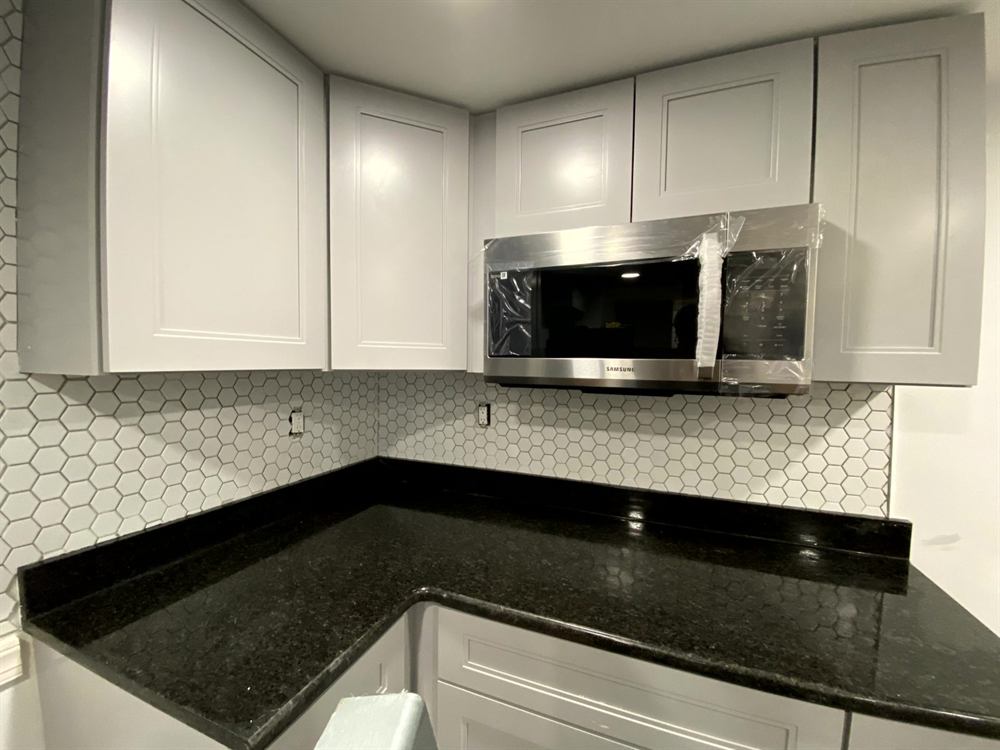
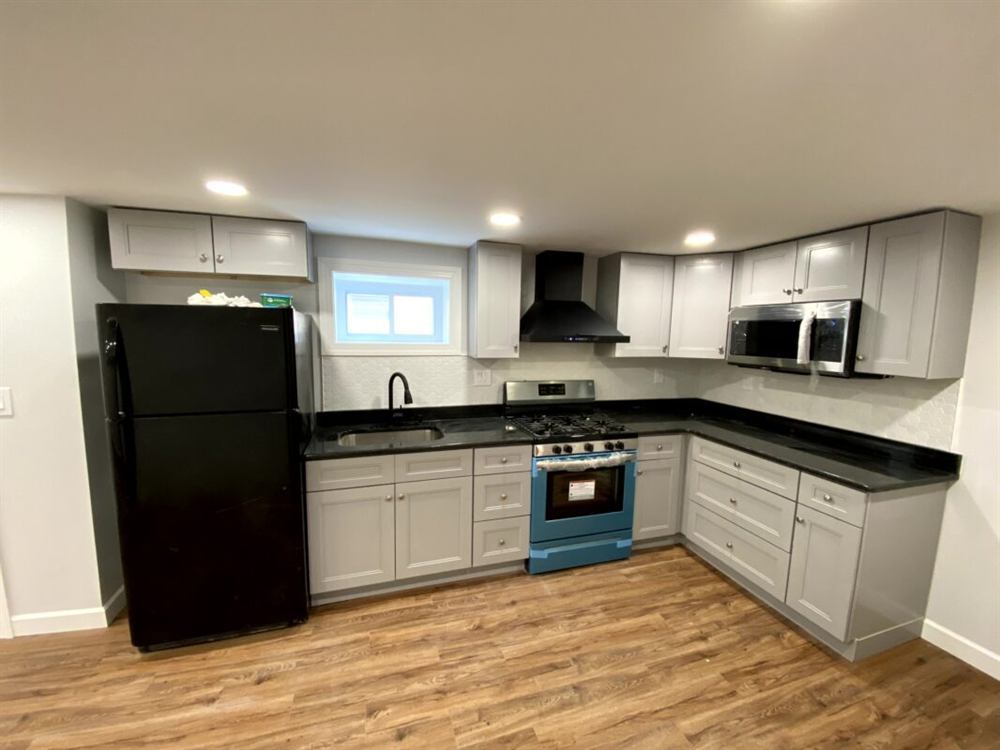
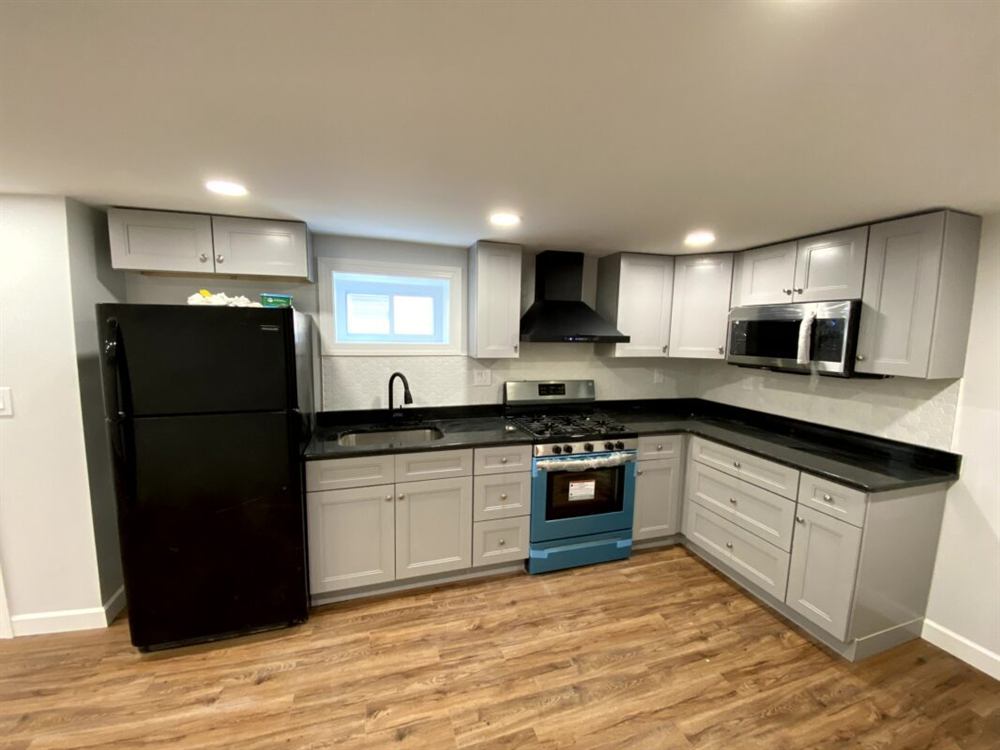
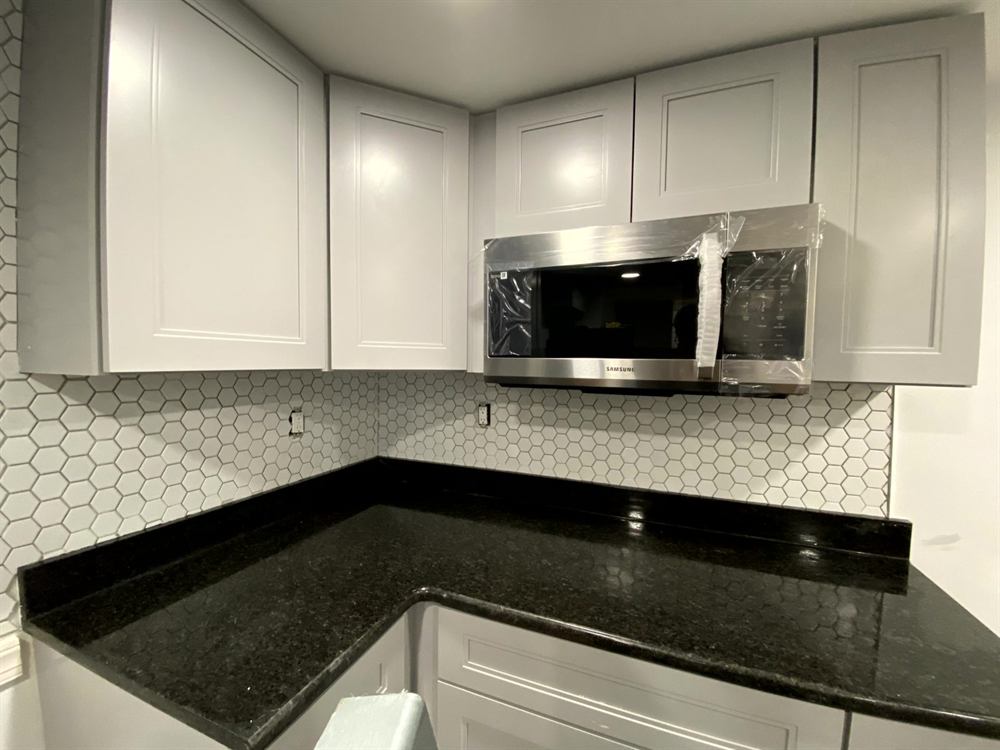
- Hexagon mosaics: Six-sided tiles in uniform or varied sizes create honeycomb patterns with modern appeal
- Penny rounds: Circular tiles evoke vintage charm and Art Deco influence, especially in metallic finishes
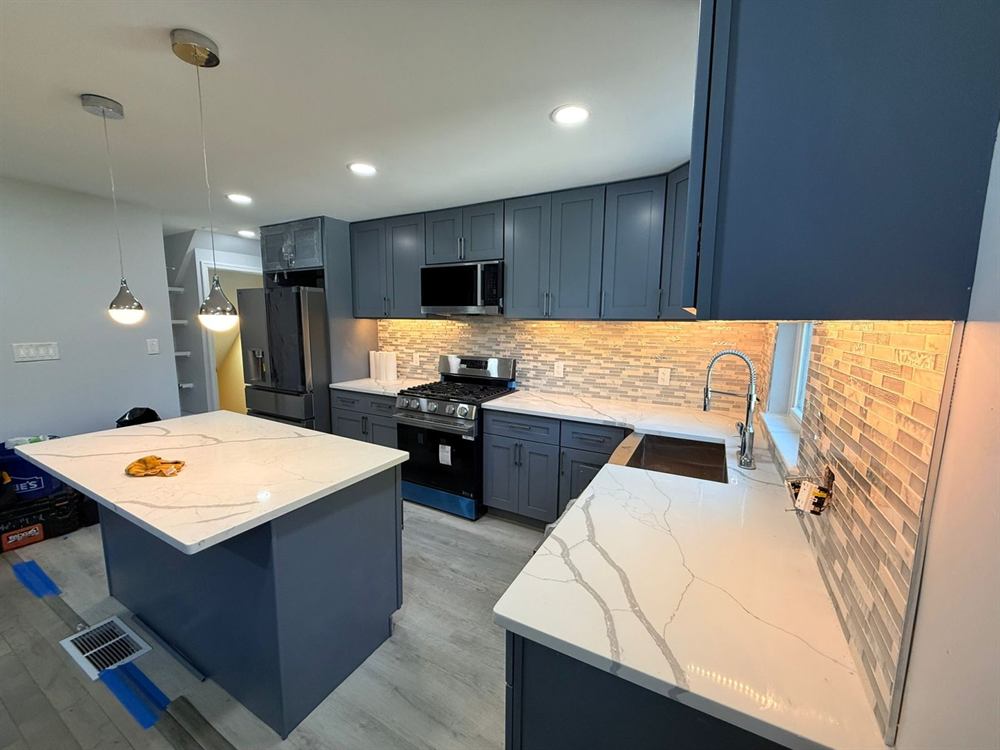
- Linear glass mosaics: Vertical or horizontal strips in graduating colors produce ombre effects or bold stripes
- Random-pattern blends: Mixed shapes and sizes in coordinated color palettes deliver an artisan, handcrafted aesthetic
Because mosaic installation requires precision and patience, many Philadelphia homeowners work with experienced contractors to ensure proper alignment, grout consistency and waterproof sealing behind the tile plane.
Natural Stone Backsplashes: Elegance and Durability
Natural stone backsplashes bring organic beauty, unique veining and timeless sophistication to kitchens. Each stone slab or tile displays one-of-a-kind patterns formed over millennia, ensuring no two installations look identical.
Marble Backsplashes
Marble remains a coveted choice for luxury kitchens, prized for its luminous surface and elegant veining. White Carrara marble, with its soft gray veins, pairs beautifully with both traditional and contemporary cabinetry. Calacatta marble, featuring bolder, more dramatic veining, serves as a statement piece in upscale renovations.
Marble requires regular sealing to resist staining from acidic foods and liquids. Homeowners committed to marble’s aesthetic often accept its maintenance requirements as part of the material’s charm and patina development over time.
Travertine and Limestone
Travertine offers warm, earthy tones and subtle texture variations, lending Mediterranean or rustic appeal to kitchen spaces. Its natural pitting and veining create visual interest without overwhelming the design. Limestone provides a softer, more uniform appearance with gentle color gradations in beige, gray and taupe.
Both travertine and limestone benefit from sealing and gentle cleaning practices to preserve their natural beauty and prevent moisture absorption.
Slate and Quartzite
Slate backsplashes deliver rich, dark tones and layered texture, ideal for contemporary or industrial kitchen aesthetics. Available in charcoal, green and rust hues, slate pairs exceptionally well with stainless steel appliances and minimalist cabinetry.
Quartzite combines the beauty of marble with superior durability and stain resistance. Its crystalline structure produces subtle sparkle, and its hardness rivals granite, making it an excellent choice for high-use kitchens where both form and function matter.
Stone Slab Backsplashes
Installing a full stone slab backsplash eliminates grout lines entirely, creating a seamless, gallery-like appearance. This approach works particularly well when matching the backsplash material to countertops, producing a continuous surface that flows from counter to wall without interruption. For comprehensive planning around stone surfaces, many homeowners reference our complete guide to kitchen renovation to understand how backsplash choices integrate with broader design decisions.
Modern Backsplash Trends for 2026
Contemporary kitchen design embraces bold experimentation, sustainable materials and technology-driven innovation. Modern backsplash trends reflect these priorities while maintaining practical functionality.
Large-Format Tiles
Oversized tiles measuring 12 by 24 inches or larger reduce grout lines, simplify cleaning and create a sleek, minimalist aesthetic. Large-format porcelain tiles convincingly mimic marble, concrete and wood textures while offering superior durability and lower maintenance requirements than natural materials.
Geometric and Three-Dimensional Patterns
Textured tiles with raised patterns, geometric shapes and three-dimensional surfaces add tactile interest and dynamic shadow play to kitchen walls. Chevron, arabesque and scalloped tile profiles introduce movement and depth without relying on color variation alone.
Metallic and Reflective Finishes
Metallic tiles in brushed gold, copper, bronze and stainless steel deliver industrial chic or Art Deco glamour, depending on surrounding design elements. Mirrored or high-gloss tiles reflect light throughout the kitchen, making smaller spaces feel more expansive and brighter.
Sustainable and Reclaimed Materials
Eco-conscious homeowners increasingly seek backsplash materials made from recycled glass, reclaimed wood or sustainably quarried stone. These materials reduce environmental impact while offering unique textures and colors unavailable in mass-produced options.
Bold Color Statements
While neutral palettes dominate many Philadelphia kitchens, 2026 trends embrace saturated color in backsplash applications. Deep emerald greens, navy blues, terracotta oranges and charcoal grays serve as accent walls, injecting personality and vibrancy into otherwise subdued spaces.
Choosing the Right Backsplash for Your Kitchen Style
Aligning backsplash selection with overall kitchen design ensures visual coherence and long-term satisfaction. Consider these style-specific recommendations:
Traditional and Transitional Kitchens
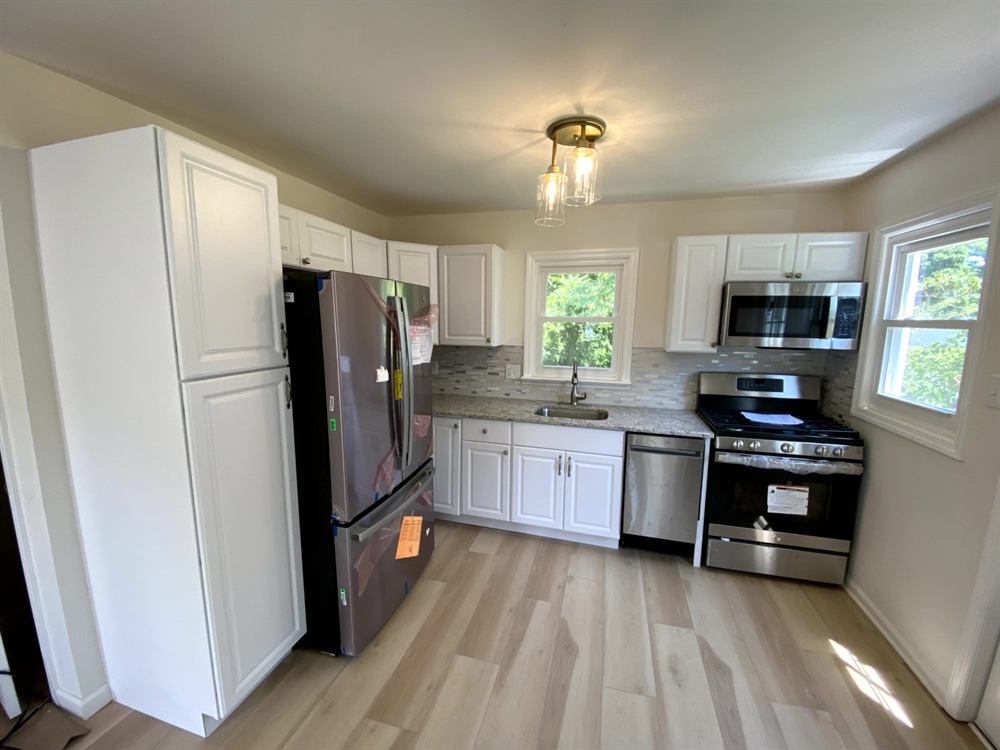
Classic subway tile in white or cream, marble slabs or travertine mosaics complement raised-panel cabinetry, ornate hardware and warm wood tones. Beveled edges and neutral grout colors maintain timeless elegance.
Modern and Contemporary Kitchens
Large-format porcelain tiles, metallic finishes or geometric mosaics align with flat-panel cabinets, integrated appliances and streamlined hardware. Monochromatic color schemes or bold single-color statements reinforce modern minimalism.
Farmhouse and Rustic Kitchens
Handmade ceramic tiles, natural stone with visible texture or classic white subway tile with dark grout enhance shiplap walls, apron-front sinks and reclaimed wood accents. Matte finishes and organic materials feel authentic and lived-in.
Industrial and Urban Kitchens
Slate, concrete-look porcelain, stainless steel or glass mosaics pair with exposed brick, metal shelving and commercial-grade appliances. Raw, unpolished finishes and dark color palettes reinforce urban edge.
Installation Considerations and Professional Expertise
Successful backsplash installation requires careful surface preparation, precise layout planning and skilled execution. Key considerations include:
- Surface preparation: Walls must be clean, smooth and moisture-resistant. Cement backer board installation ensures proper tile adhesion and prevents water damage behind the backsplash.
- Layout planning: Centering tile patterns around focal points like ranges or sinks creates visual balance. Dry-fitting tiles before adhesive application prevents costly errors.
- Grout and sealant selection: Epoxy grout resists staining and moisture better than traditional cement-based options. Sealing natural stone and porous tiles protects against spills and simplifies cleaning.
- Electrical outlet placement: Coordinating tile cuts around outlets and switches requires precision measurement and specialized tools.
Homeowners undertaking comprehensive upgrades often combine backsplash installation with interior remodeling projects to ensure consistent quality and design continuity throughout the home.
Maintenance and Longevity
Proper care extends backsplash lifespan and preserves aesthetic appeal. Maintenance requirements vary by material:
- Ceramic and porcelain tiles: Wipe clean with mild detergent and water; reseal grout lines annually to prevent staining
- Glass mosaics: Use non-abrasive cleaners to avoid scratching; vinegar solutions remove water spots effectively
- Natural stone: Apply penetrating sealers every six to twelve months; avoid acidic cleaners that etch marble and limestone
- Metal tiles: Polish with appropriate metal cleaners to maintain luster; address fingerprints with microfiber cloths
Regular cleaning and prompt spill removal prevent buildup and preserve the backsplash’s original beauty for decades.
Budgeting for Your Kitchen Backsplash
Backsplash material and installation represent a meaningful portion of kitchen renovation budgets, with wide variation based on material choice, square footage and design complexity. Material selection drives the majority of cost differences:
- Ceramic subway tile: Accessible entry point with broad design flexibility
- Glass and mosaic tiles: Mid-range option balancing visual interest with reasonable expenditure
- Natural stone: Premium materials commanding higher material and installation investments
- Custom or imported tiles: Specialty selections at the upper end of the budget spectrum
Labor costs vary with installation complexity. Straight subway tile layouts install more quickly than intricate mosaic patterns or diagonal arrangements requiring extensive cutting and fitting. Homeowners seeking transparent budget guidance often appreciate working with licensed contractors who provide detailed estimates and clear timelines. To explore complete service offerings, visit our remodeling services page.
Coordinating Backsplash with Other Kitchen Elements
A cohesive kitchen design balances backsplash selection with countertops, cabinetry, flooring and paint colors. Strategic coordination enhances visual harmony:
Countertop and Backsplash Pairing
Matching backsplash and countertop materials creates seamless continuity, particularly effective with marble or quartzite slabs. Alternatively, contrasting materials add dimension: pair busy granite counters with simple subway tile, or complement solid-color quartz with patterned mosaics.
Cabinet and Hardware Coordination
Light-colored backsplashes brighten kitchens with dark cabinetry, while bold backsplash colors pop against white or neutral cabinets. Metallic backsplash accents can echo cabinet hardware finishes, tying the design together.
Flooring Considerations
When coordinating backsplash with flooring, balance busy patterns with solid colors or harmonize tones within the same color family. Homeowners updating multiple surfaces simultaneously benefit from visualizing all materials together before finalizing selections.
Real-World Inspiration: Philadelphia Kitchen Backsplash Projects
Philadelphia’s diverse architectural landscape, from historic brownstones to modern new construction, offers rich inspiration for kitchen backsplash ideas. Homeowners renovating older homes often honor original character with period-appropriate subway tile or handmade ceramic, while contemporary builds embrace bold geometric patterns and large-format porcelain.
Local design trends reflect the city’s blend of tradition and innovation. Many Philadelphia kitchens feature classic white subway tile as a foundation, accented with colorful mosaic borders or natural stone focal walls behind ranges. These thoughtful combinations respect architectural heritage while incorporating modern functionality and personal style.
Reviewing completed remodeling projects provides tangible examples of how material choices translate into finished spaces, helping homeowners visualize their own renovation outcomes.
Common Backsplash Installation Mistakes to Avoid
Understanding frequent installation pitfalls helps homeowners and contractors achieve professional results:
- Inadequate surface preparation: Skipping backer board or failing to level walls leads to tile lippage and adhesion failure
- Poor layout planning: Starting installations without centering patterns results in awkward cuts at edges and corners
- Incorrect adhesive selection: Using wall adhesive instead of thin-set mortar compromises tile bond strength
- Insufficient sealing: Neglecting to seal grout and natural stone invites staining and moisture damage
- Rushing grout application: Grouting before adhesive fully cures causes tiles to shift and grout lines to crack
Working with experienced professionals minimizes these risks and ensures installations meet industry standards for durability and appearance.
Conclusion: Creating Your Ideal Kitchen Backsplash
Selecting the perfect kitchen backsplash involves balancing aesthetic preferences, practical requirements and budget realities. From the enduring appeal of subway tile to the artistic possibilities of mosaic patterns and the organic elegance of natural stone, modern backsplash options accommodate every design vision and functional need.
Thoughtful material selection, professional installation and proper maintenance ensure your backsplash enhances kitchen beauty and performance for years to come. Whether renovating a single element or planning a comprehensive transformation, coordinating backsplash decisions with broader design goals creates a cohesive, satisfying result.
Philadelphia homeowners ready to explore kitchen backsplash ideas and bring their vision to life benefit from partnering with licensed, experienced remodeling professionals who understand local design preferences and building requirements. Request a free estimate to discuss your project, review material samples and develop a detailed plan tailored to your home’s unique character and your family’s lifestyle needs.
Ready to transform your kitchen with a stunning backsplash? Reliable Home Remodeling brings expertise, quality craftsmanship and transparent communication to every project. Contact us today to schedule a consultation and explore how the right backsplash can elevate your entire kitchen design.
Frequently Asked Questions
What is the most popular kitchen backsplash material in 2026?
Ceramic and porcelain tiles dominate kitchen backsplash installations due to their durability, water resistance, wide variety of styles and accessible pricing. Subway tile in particular remains the most requested format, valued for its timeless appearance and versatility across design styles from traditional to contemporary.
How high should a kitchen backsplash extend?
Standard backsplash height extends from countertop to the bottom of upper cabinets, typically 18 to 20 inches. Full-height backsplashes that reach the ceiling create dramatic visual impact and eliminate the need for painted drywall in cooking areas. The choice depends on cabinet configuration, ceiling height and desired aesthetic effect.
Do I need to seal my kitchen backsplash?
Natural stone backsplashes including marble, travertine and limestone require regular sealing to prevent staining and moisture absorption. Grout lines on all tile backsplashes benefit from sealing to resist discoloration and simplify cleaning. Glass and glazed ceramic tiles do not require sealing, though their grout lines do.
Can I install a kitchen backsplash myself or should I hire a professional?
Homeowners with tile installation experience and appropriate tools can successfully complete backsplash projects, particularly straightforward subway tile layouts. Complex patterns, natural stone and projects requiring extensive electrical outlet accommodation benefit from professional installation to ensure proper adhesion, waterproofing and finished appearance that meets industry standards.
How do I choose between matching and contrasting my backsplash with countertops?
Matching backsplash and countertop materials creates seamless continuity and elongates visual lines, ideal for smaller kitchens or when using premium stone. Contrasting materials add dimension and allow each surface to serve distinct design roles. Consider overall design goals: cohesive calm versus dynamic visual interest, and balance busy patterns with solid colors to avoid visual overwhelm.