How Long Does a Kitchen Renovation Really Take from Demo to Final Walkthrough
One of the most common questions homeowners ask when planning a kitchen renovation is how long the entire process will actually take. While the answer varies based on project scope and complexity, understanding realistic timelines helps homeowners prepare for the disruption, coordinate temporary living arrangements, and set proper expectations for everyone involved.
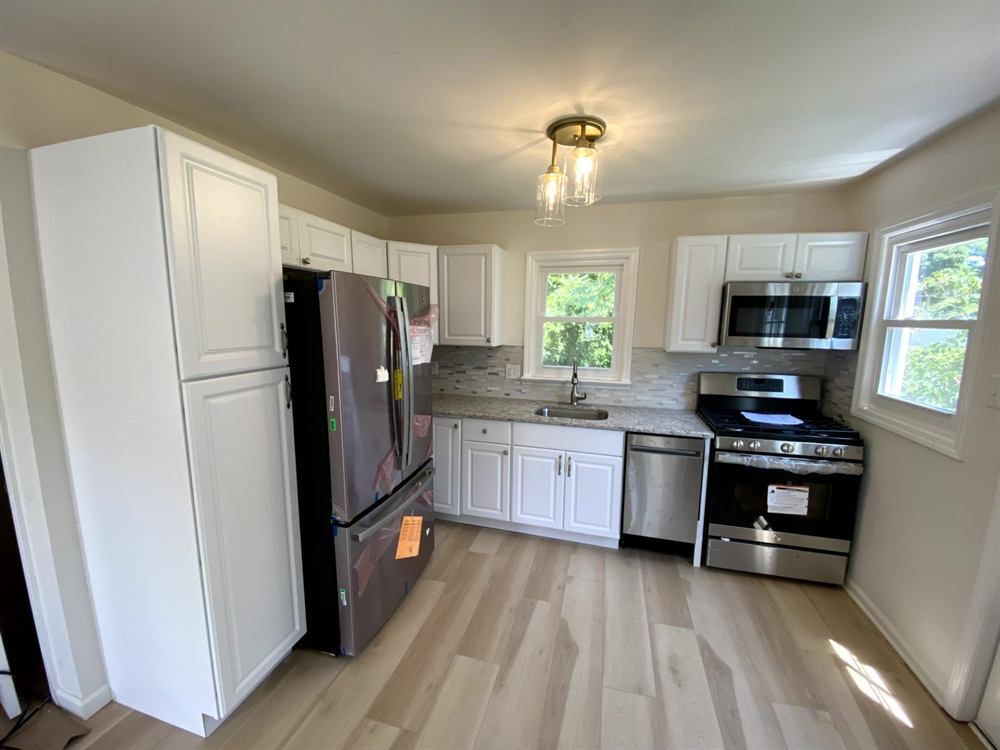
A standard kitchen renovation in Philadelphia typically takes between four to twelve weeks from the first day of demolition to the final walkthrough. However, this timeframe can extend considerably for complex projects involving structural modifications, custom cabinetry, or significant layout changes. Breaking down each phase reveals where time is actually spent and what factors influence overall duration.
The Pre-Construction Phase: Planning Before Demolition
Before any physical work begins, several weeks of planning and preparation take place behind the scenes. This pre-construction phase typically requires two to four weeks and includes finalizing designs, ordering materials, securing permits, and scheduling trades.
During this stage, homeowners make final selections for cabinetry, countertops, appliances, fixtures, and finishes. Material lead times significantly impact project schedules, with custom cabinets sometimes requiring eight to twelve weeks for fabrication and delivery. Standard stock cabinets, by contrast, may be available within days or weeks.
Permit acquisition through Philadelphia city departments adds another layer to the timeline. Simple kitchen updates may not require permits, but projects involving electrical upgrades, plumbing relocations, or structural changes typically do. Permit approval can take anywhere from a few days to several weeks depending on application completeness and municipal workload.
Planning Tip: Order long-lead items like custom cabinets, specialty tile, or unique fixtures as early as possible. Delays in material delivery are one of the most common causes of extended project timelines.
Week 1-2: Demolition and Rough Work
Once materials are ordered and permits secured, physical work begins with demolition. The demo phase typically takes one to three days for a standard kitchen, though larger spaces or projects requiring structural modifications may extend this timeframe.
During demolition, existing cabinets, countertops, appliances, and sometimes flooring are removed. Walls may be opened to access plumbing and electrical systems. This phase creates significant dust and debris, making the kitchen entirely unusable.
Following demo, rough work begins. This includes any necessary structural modifications, such as removing or reinforcing walls, adjusting framing for new layouts, or installing support beams. Rough plumbing and electrical work follows, with lines repositioned or upgraded to accommodate the new kitchen layout and modern appliances.
The rough work phase typically requires three to seven days depending on scope. Kitchens requiring extensive plumbing relocations, electrical panel upgrades, or HVAC modifications take longer than those maintaining existing utility locations.
Inspection Checkpoints
Before moving forward, rough work must pass municipal inspections. Electrical and plumbing inspections verify that all work meets code requirements. Scheduling these inspections and waiting for inspector availability can add several days to the timeline, particularly during busy construction seasons.
Week 2-4: Installation of Core Elements
With rough work complete and inspections passed, installation of major kitchen elements begins. This phase typically spans one to three weeks and includes multiple specialized trades working in sequence.
Drywall and finish carpentry come first, repairing any wall damage from rough work and preparing surfaces for paint or tile. Drywall installation, taping, mudding, and sanding typically require three to five days, including drying time between coats.
Once walls are ready, interior painting transforms the space with fresh color. Professional painters typically complete a standard kitchen in one to two days, though additional time is needed for specialty finishes or extensive trim work.
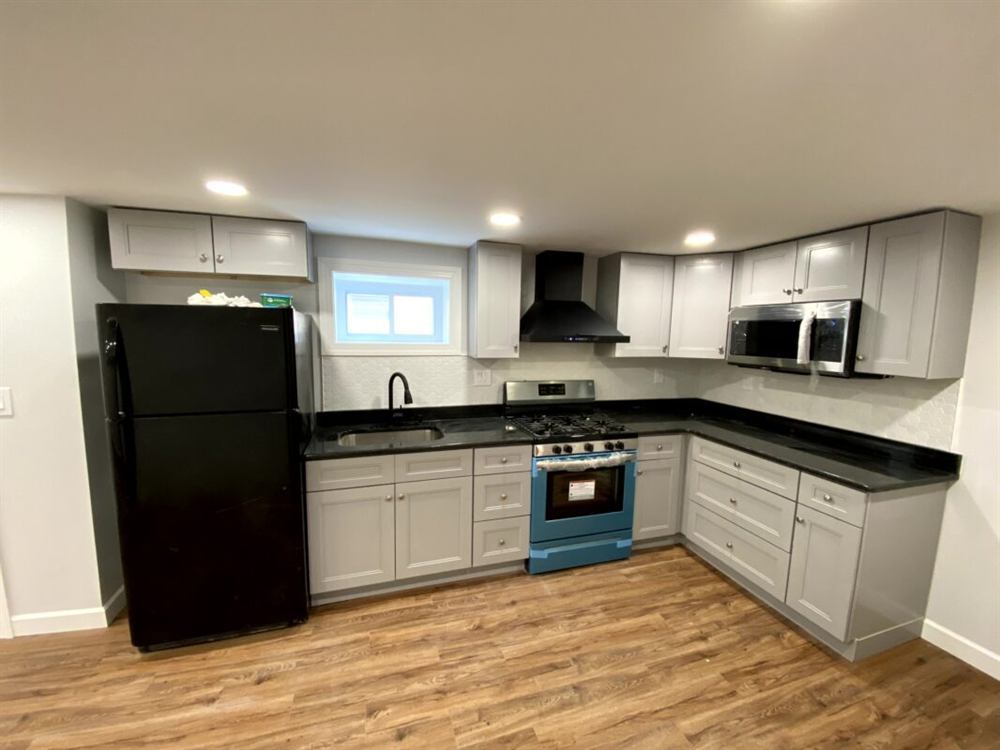
Cabinet installation represents one of the most critical phases. Professional installers carefully level, secure, and align base cabinets before adding upper units. A typical kitchen requires two to four days for complete cabinet installation, including adjustments for plumbing and electrical penetrations.
After cabinets are secured, flooring installation proceeds if not already complete. Tile floors require several days including mortar curing time and grout application. LVP or laminate installations typically complete more quickly, often within one to two days.
Week 4-6: Countertops and Finish Plumbing
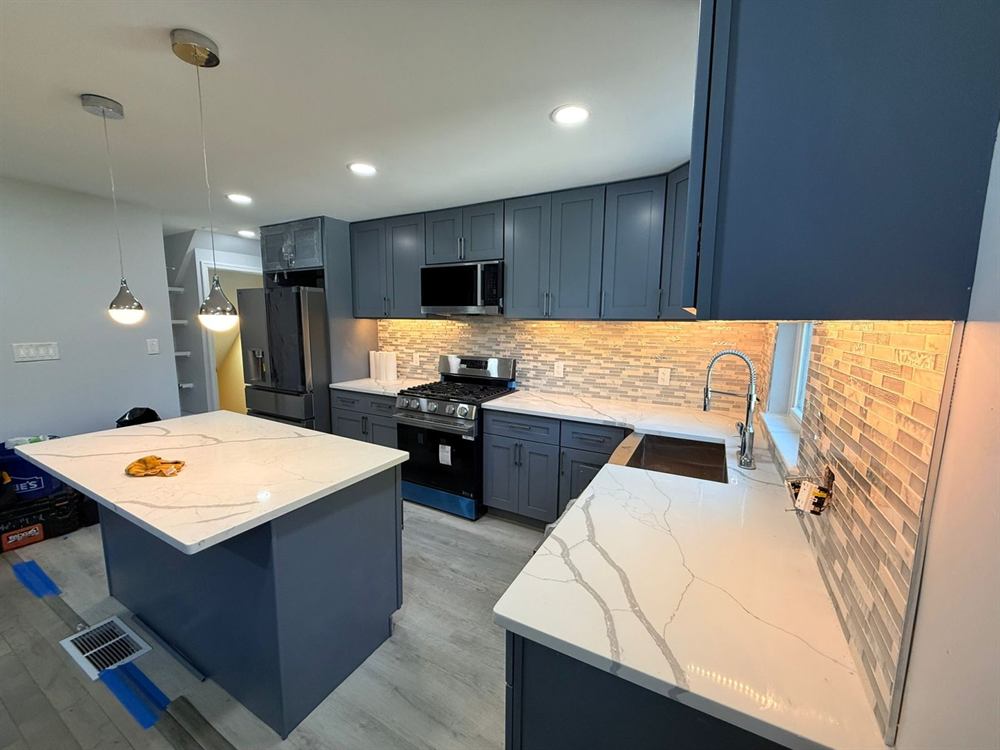
Countertop fabrication and installation mark another major milestone. Once cabinets are in place, templating occurs to create precise measurements for stone, quartz, or solid surface countertops. Fabrication typically requires seven to fourteen days after templating, though this varies by material and fabricator workload.
Granite, quartz, and marble countertops require professional installation, usually completed in one day for standard kitchens. Seaming, cutouts for sinks and cooktops, and securing counters to cabinets require careful precision work.
After countertops are installed, finish plumbing proceeds. Plumbers install sinks, faucets, dishwashers, and any other water-connected appliances. This phase typically requires one to two days, including final connections and testing for leaks.
Backsplash Installation
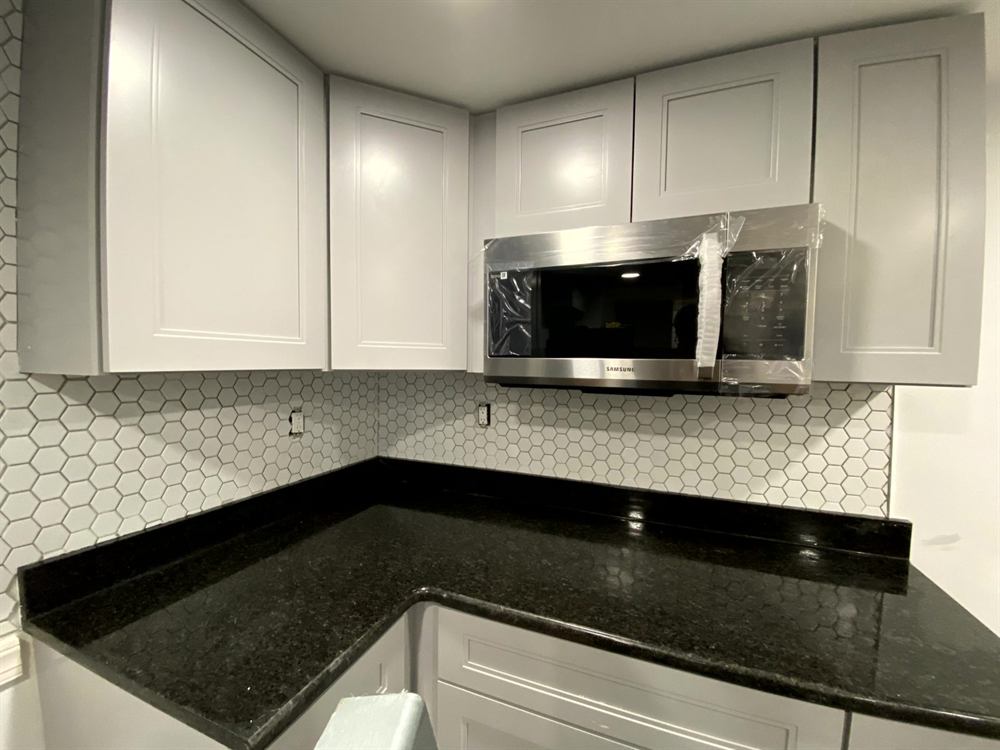
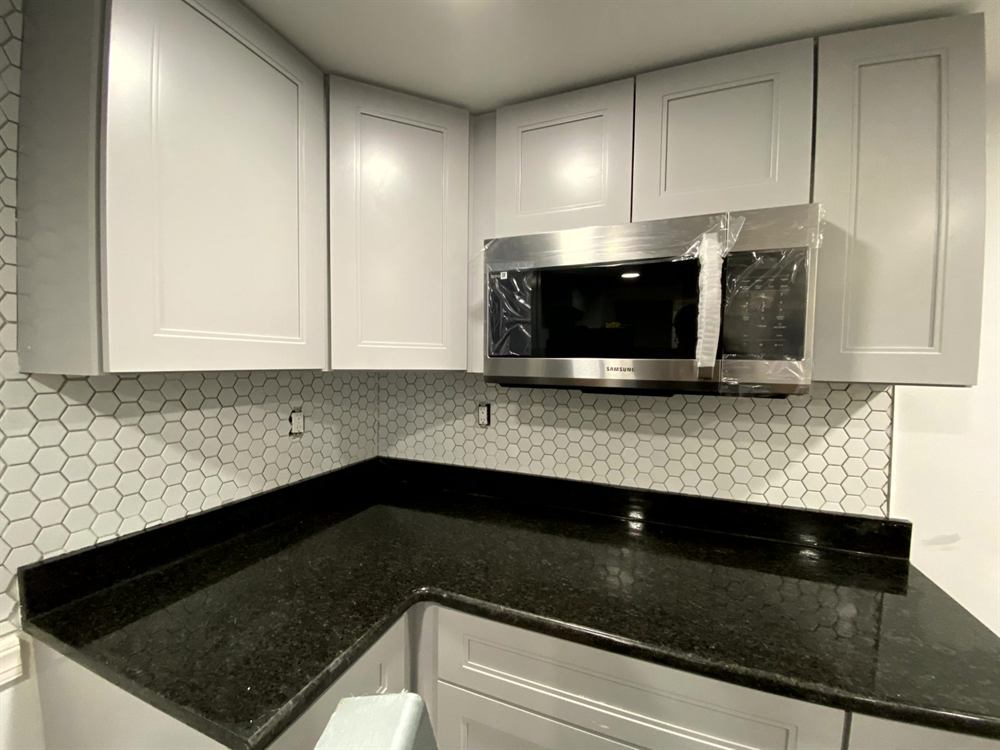
Tile backsplash installation follows countertop work, protecting walls from moisture and adding visual interest. Depending on complexity and tile type, backsplash installation requires one to three days including setting tile, allowing mortar to cure, and applying grout.
Week 6-8: Appliances, Lighting, and Final Details
The final weeks focus on appliance installation, lighting, hardware, and finishing touches. Major appliances like ranges, refrigerators, and microwaves are delivered and installed, with built-in units requiring more precise integration than freestanding models.
Electricians install light fixtures, under-cabinet lighting, and switch plates. Final electrical connections are made to appliances and any specialty features like pot filler faucets or disposal units. This work typically requires two to three days.
Cabinet hardware installation adds functionality and style. Knobs, pulls, and hinges are carefully aligned and secured. Doors and drawers are adjusted for smooth operation and proper alignment. This detail work requires patience and precision, usually taking one to two days.
Touch-up painting, caulking, and final cleaning complete the project. Any minor damage from installation is repaired, transitions are caulked, and the entire space receives thorough cleaning to remove construction dust and debris.
Factors That Extend Kitchen Renovation Timelines
While the phases above outline a typical timeline, several factors commonly extend project duration beyond initial estimates. Understanding these potential delays helps homeowners plan more realistically.
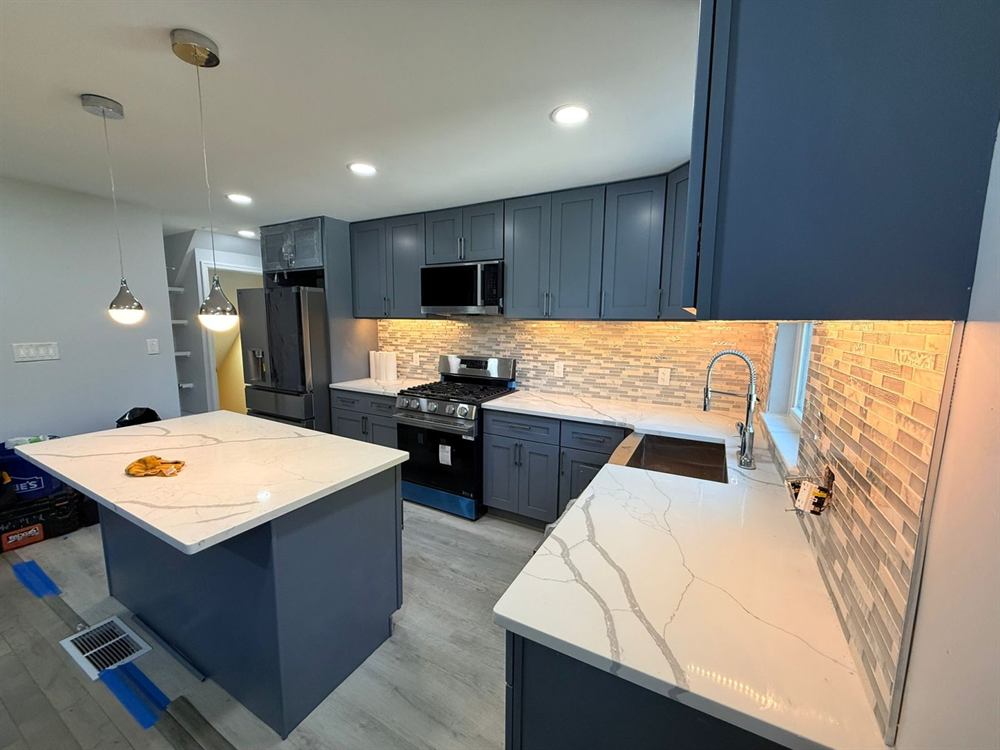
- Material delays: Late deliveries of cabinets, countertops, appliances, or specialty items can stall progress for days or weeks. Supply chain disruptions remain common in the construction industry.
- Structural surprises: Unexpected issues discovered during demolition, such as water damage, outdated wiring, or structural deficiencies, require remediation before moving forward.
- Custom elements: Custom cabinetry, specialty tile patterns, or intricate design details require additional fabrication and installation time compared to standard options.
- Scope changes: Mid-project design changes or additions extend timelines as new materials are ordered and installation sequences adjust.
- Weather and scheduling: Extreme weather can affect deliveries and worker availability. Coordinating multiple specialized trades sometimes creates scheduling gaps.
- Permit issues: Failed inspections or additional permit requirements discovered mid-project require corrections and re-inspection before work proceeds.
Reality Check: Professional remodelers typically add 10-20% buffer time to project estimates to account for inevitable minor delays and coordination challenges.
Comparing Kitchen Renovation Timelines by Scope
Project scope dramatically affects duration. Understanding the difference between minor updates, standard renovations, and major remodels helps homeowners set appropriate timeline expectations.
| Project Scope | Typical Duration | Key Characteristics |
|---|---|---|
| Minor Update | 1-3 weeks | Cabinet painting or refacing, countertop replacement, new appliances, minimal layout changes |
| Standard Renovation | 4-8 weeks | New cabinets and countertops, updated flooring and lighting, same basic layout, standard materials |
| Major Remodel | 8-12 weeks | Layout changes, structural modifications, custom elements, high-end finishes, extensive electrical or plumbing work |
| Luxury Transformation | 12-16+ weeks | Complete redesign, custom cabinetry, premium stone, smart home integration, significant structural changes |
For homeowners planning comprehensive home updates, a whole house renovation approach may make sense, addressing multiple rooms in coordinated phases rather than isolated projects.
Managing Life During Kitchen Renovation
Living without a functional kitchen for several weeks requires planning and flexibility. Most Philadelphia homeowners employ several strategies to maintain some normalcy during construction.
Temporary kitchen setup: Many families create a temporary kitchen in another room with a microwave, toaster oven, coffee maker, and mini refrigerator. This setup enables basic meal preparation without full cooking capabilities.
Meal planning adjustments: Increased reliance on takeout, meal delivery services, outdoor grilling, and meals at restaurants becomes necessary. Some families prepare and freeze meals in advance of the renovation start date.
Dust containment: Professional remodelers use plastic sheeting and negative air machines to contain dust, but some migration throughout the home is inevitable. Protecting furniture and sealing nearby rooms helps minimize impact.
Schedule coordination: Understanding when workers will be present, when the space will be accessible, and when particularly disruptive work occurs helps families plan around construction activities.
The Final Walkthrough: Ensuring Quality Before Project Completion
The final walkthrough represents the last step before a kitchen renovation is officially complete. This inspection, conducted with the homeowner and project manager, verifies that all work meets quality standards and contract specifications.
During the walkthrough, homeowners should test all appliances, run water at all fixtures, operate all cabinet doors and drawers, verify that lighting functions properly, and inspect finishes for damage or defects. Any issues identified are documented on a punch list for correction before final payment.
Professional remodeling companies like Reliable Home Remodeling view the final walkthrough as an opportunity to ensure complete customer satisfaction. Minor adjustments, touch-ups, or corrections identified during this inspection are completed promptly, typically within a few days.
The walkthrough also includes instruction on care and maintenance for new materials, warranty information for appliances and fixtures, and documentation of any ongoing maintenance requirements for specialty finishes.
Planning Your Kitchen Renovation Timeline
Realistic timeline planning starts with honest assessment of project scope, material selections, and household tolerance for disruption. Working with experienced professionals who provide detailed schedules and maintain clear communication significantly improves the renovation experience.
For homeowners beginning to plan their project, our complete guide to kitchen renovation in Philadelphia provides comprehensive information on every aspect of the process, from initial design through final completion.
Successful kitchen renovations balance quality craftsmanship with reasonable timelines. While every homeowner wishes their project could be completed overnight, understanding the necessary phases and realistic durations leads to better planning, less frustration, and ultimately, a beautiful kitchen that serves the family well for years to come.
Ready to Start Your Kitchen Renovation?
Understanding realistic timelines is just one part of planning a successful kitchen renovation. At Reliable Home Remodeling, the team works with Philadelphia homeowners to develop detailed project schedules that account for all phases of work, from demolition through final walkthrough.
With a focus on quality craftsmanship, transparent communication, and efficient project management, Reliable Home Remodeling helps families navigate the renovation process with minimal stress and maximum results. Licensed, insured, and backed by consistent five-star reviews from local homeowners, the company delivers kitchen renovations that meet both schedule and quality expectations.
Ready to discuss your kitchen renovation timeline? Request a free estimate today to explore how your vision can become reality with a clear, realistic project schedule tailored to your needs and priorities.
Frequently Asked Questions
Can a kitchen renovation be completed in less than four weeks?
Minor kitchen updates such as cabinet refacing, countertop replacement, or appliance upgrades can sometimes be completed in two to three weeks. However, complete renovations involving new cabinets, layout changes, and extensive finish work typically require at least four to six weeks. Rushing the process often compromises quality, as materials need proper curing time and installations require precision work that cannot be rushed without risking inferior results.
What is the longest phase of a kitchen renovation?
For most kitchen renovations, the longest phase is actually the pre-construction period, particularly waiting for custom cabinet fabrication and delivery. Custom cabinets can require eight to twelve weeks from order to delivery. Once physical work begins, the installation phase typically takes the most time, with cabinet installation, countertop fabrication and installation, and finish work combining to represent the bulk of on-site construction duration.
How much of the timeline is work versus waiting?
Active construction work typically accounts for about 60-70% of the overall timeline, with the remainder consisting of waiting periods for material curing, inspection scheduling, and coordination between trades. Drywall compound needs drying time, tile mortar and grout require curing, and countertop fabrication happens off-site. These necessary waiting periods cannot be eliminated but are essential for proper installation and long-lasting results.
Should I move out during a kitchen renovation?
Most Philadelphia homeowners remain in their homes during kitchen renovations, though lifestyle adjustments are necessary. Moving out is typically only required for extensive projects involving whole house renovation or when multiple critical systems will be offline simultaneously. For standard kitchen renovations, creating a temporary kitchen setup in another area of the home allows families to maintain basic meal preparation capabilities and avoid the expense and disruption of temporary housing.
What happens if my project goes over the estimated timeline?
Reputable remodeling contractors build reasonable buffers into timeline estimates and maintain clear communication if delays occur. Common causes of extended timelines include material delivery delays, unexpected structural issues discovered during demolition, and homeowner-initiated design changes. Professional remodelers address delays promptly, adjust schedules as needed, and work to minimize impact on homeowners. Clear contract terms should specify how timeline extensions are handled and whether any compensation or adjustments apply for contractor-caused delays.