Choosing the Right Kitchen Flooring: Ceramic, Porcelain, LVP or Laminate
The kitchen floor endures more wear than nearly any other surface in the home. Between foot traffic, spills, dropped utensils and moisture exposure, choosing a flooring material that balances durability with aesthetics becomes essential. Philadelphia homeowners planning a kitchen renovation often find themselves weighing four popular options: ceramic tile, porcelain tile, luxury vinyl plank (LVP) and laminate flooring.
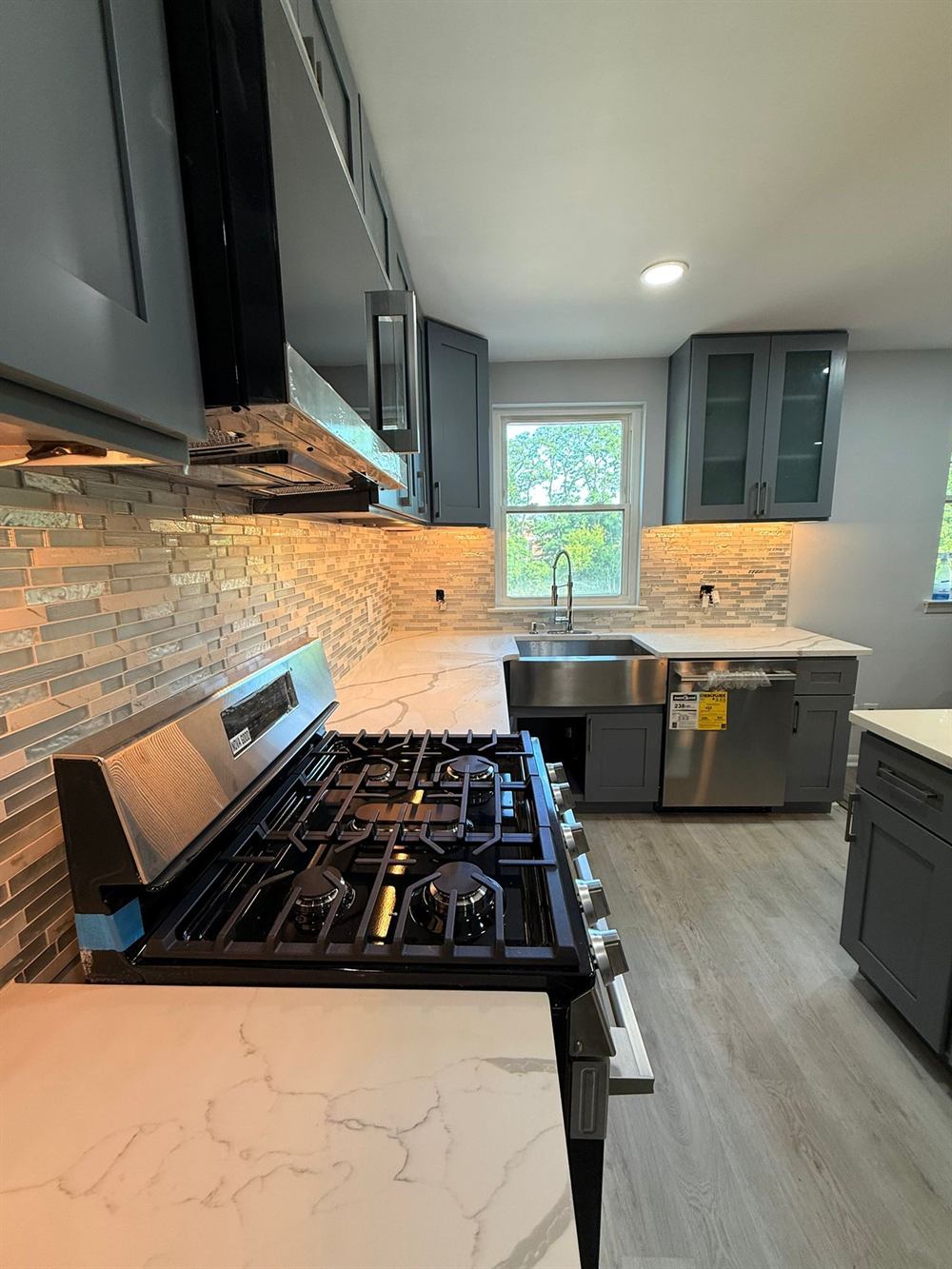
Each material offers distinct advantages in terms of water resistance, maintenance requirements, aesthetic flexibility and longevity. Understanding these differences allows homeowners to select flooring that complements their lifestyle, design vision and performance expectations. This guide examines the core characteristics of each option to support confident decision-making.
Understanding Ceramic Tile Flooring
Ceramic tile has served as a kitchen flooring standard for decades. Made from clay fired at high temperatures, ceramic offers a hard, durable surface available in countless colors, patterns and finishes. The material resists stains and cleans easily with standard household products.
Ceramic tile performs well in moderate-traffic kitchens and provides excellent design versatility. Homeowners can create custom layouts, mix colors or incorporate decorative accents that reflect personal style. Glazed ceramic surfaces repel moisture effectively, making spills manageable with quick cleanup.
However, ceramic tile does have limitations. The material can chip or crack under heavy impact, and grout lines require periodic sealing to prevent staining and moisture penetration. Cold underfoot during winter months, ceramic may benefit from radiant heating systems in climates like Philadelphia. Installation typically requires professional expertise to ensure proper leveling and waterproofing.
Best Applications for Ceramic Flooring
- Kitchens with moderate daily use
- Spaces where decorative pattern options are prioritized
- Homes with existing tile elsewhere for visual continuity
- Budgets seeking balance between quality and affordability
Porcelain Tile: The Premium Ceramic Alternative
Porcelain tile shares similarities with ceramic but undergoes a more refined manufacturing process. Fired at higher temperatures with denser clay, porcelain achieves superior hardness and lower water absorption rates. This makes it exceptionally suitable for kitchens prone to moisture exposure or heavy use.
The enhanced durability of porcelain translates to longer lifespan and better resistance to chips and cracks. Many porcelain products feature through-body color, meaning chips reveal matching material underneath rather than contrasting clay. This characteristic maintains visual integrity even after minor damage.
Porcelain also offers expanded design possibilities, including realistic wood-look and stone-look tiles that provide natural aesthetics with tile’s practical benefits. The material works equally well in contemporary and traditional kitchen designs, accommodating various cabinet styles and color palettes.
Porcelain’s density makes it heavier and harder to cut than ceramic, often requiring specialized tools during installation. Professional installation ensures proper handling and long-term performance.
Porcelain Tile Advantages
- Superior water resistance compared to ceramic
- Enhanced durability for high-traffic households
- Wide range of realistic textures and finishes
- Suitable for both indoor and outdoor applications
- Minimal maintenance beyond standard cleaning
Luxury Vinyl Plank (LVP): Modern Versatility
Luxury vinyl plank has gained significant popularity in recent years, offering a compelling combination of aesthetics, comfort and practicality. LVP consists of multiple layers including a photographic image layer that replicates wood, stone or tile with remarkable realism, topped with a protective wear layer.
One of LVP’s standout features is its comfort underfoot. Unlike hard tile surfaces, vinyl provides slight cushioning that reduces fatigue during extended standing periods. This characteristic appeals particularly to home cooks who spend considerable time preparing meals.
Water resistance ranks among LVP’s strongest performance attributes. Quality LVP products handle spills and moisture exceptionally well, making them ideal for kitchens where liquid exposure occurs regularly. Many manufacturers offer waterproof LVP options that completely resist water penetration, eliminating concerns about subfloor damage.
Installation flexibility represents another LVP advantage. Many products feature click-lock systems that allow floating floor installation over existing surfaces, reducing project complexity and timeline. This makes LVP an attractive option for homeowners considering DIY installation, though professional installation still ensures optimal results.
LVP Performance Characteristics
| Feature | Performance Level | Notes |
|---|---|---|
| Water Resistance | Excellent | Waterproof options available |
| Durability | Very Good | Wear layer thickness matters |
| Comfort | Excellent | Warmer and softer than tile |
| Design Options | Extensive | Realistic wood and stone looks |
| Maintenance | Easy | Simple cleaning routine |
Laminate Flooring: Budget-Friendly Performance
Laminate flooring provides an economical alternative that still delivers attractive appearance and reasonable durability. Constructed from high-density fiberboard topped with a photographic layer and protective coating, laminate replicates wood, stone and tile aesthetics at a lower entry point.
Modern laminate products have evolved significantly from early generations. Contemporary options feature improved scratch resistance and realistic textures that closely mimic natural materials. The floating installation method allows for straightforward setup, often completing kitchen floor projects quickly.
Laminate performs adequately in kitchens with proper care. While not as water-resistant as LVP or porcelain, quality laminate handles typical kitchen moisture when spills receive prompt attention. The material resists fading from sunlight exposure and maintains appearance consistency over time with routine cleaning.
Temperature comfort sits between tile’s coldness and LVP’s warmth. Laminate feels neutral underfoot, neither absorbing heat nor retaining cold like ceramic surfaces. This middle-ground characteristic suits homeowners seeking practical performance without temperature extremes.
Laminate Considerations
- Lower upfront investment compared to other options
- Moderate water resistance requiring prompt spill cleanup
- Limited refinishing options when damage occurs
- Good scratch and dent resistance with proper wear rating
- Straightforward installation process
Comparing Durability and Maintenance Requirements
Long-term satisfaction with flooring installation depends heavily on durability and maintenance demands. Each material presents different care requirements and lifespan expectations.
Porcelain tile typically outlasts all alternatives, often maintaining structural integrity and appearance for several decades with minimal maintenance. Regular sweeping and periodic mopping preserve the surface, while grout sealing every few years maintains water resistance. Ceramic tile follows similar patterns with slightly reduced impact resistance.
LVP offers excellent durability for its material class, with quality products lasting 15 to 25 years under normal residential use. The wear layer thickness directly impacts longevity, making thicker wear layers worthwhile for high-traffic kitchens. Maintenance requires only regular sweeping and damp mopping with pH-neutral cleaners.
Laminate durability varies based on product quality and care practices. With proper maintenance, good laminate products serve 10 to 20 years effectively. The material’s primary vulnerability involves moisture exposure, making immediate spill cleanup essential. Unlike tile or LVP, damaged laminate sections typically require full plank replacement rather than spot repairs.
Style Flexibility and Design Integration
Kitchen aesthetics influence material selection as much as practical performance. Each flooring type offers distinct design opportunities that complement different kitchen styles and interior remodeling visions.
Tile options, both ceramic and porcelain, provide unmatched pattern and layout flexibility. Homeowners can create herringbone patterns, diagonal installations, borders and custom mosaics. The extensive color palette accommodates every design preference, from classic subway tile patterns to contemporary large-format installations.
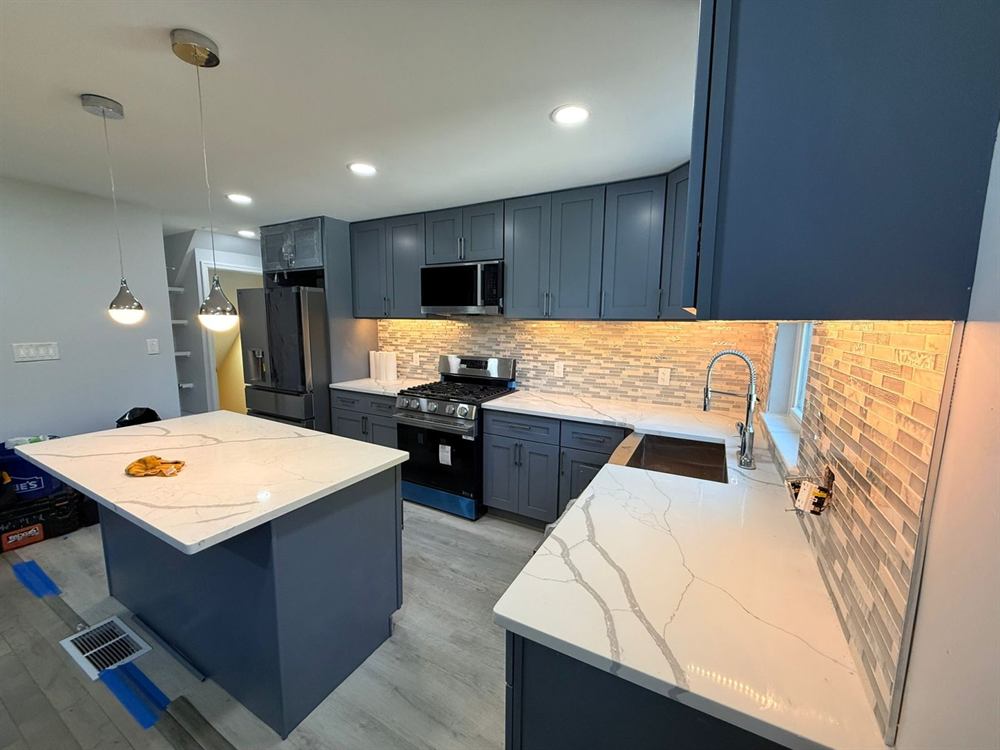
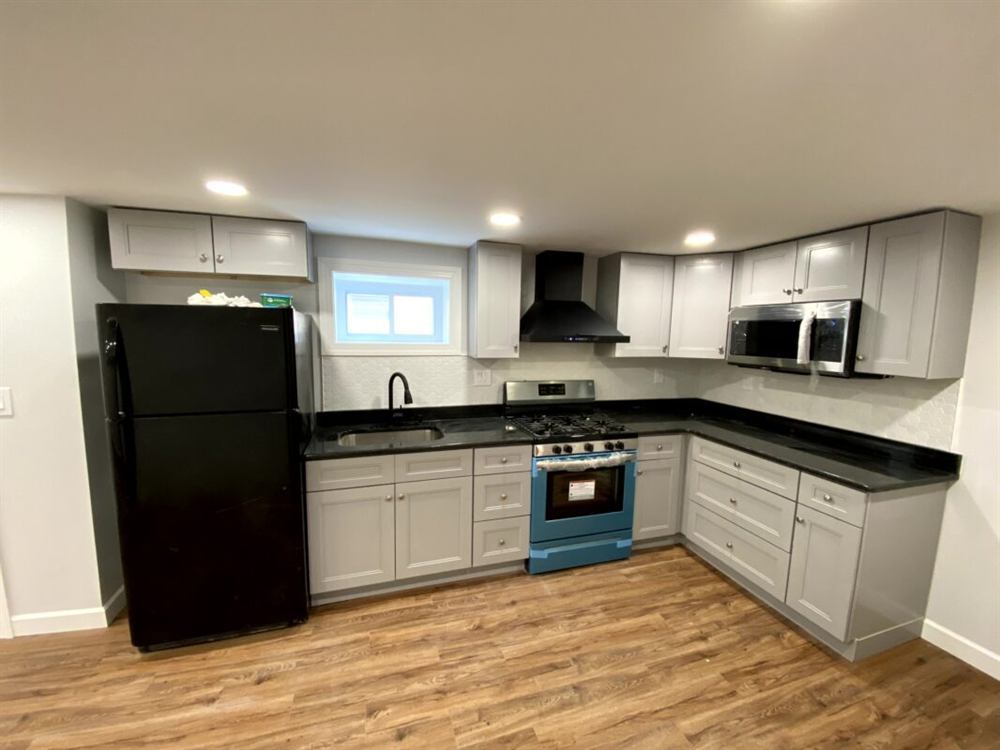
Wood-look flooring through LVP or laminate creates warmth that balances sleek kitchen cabinetry and stainless appliances. These materials replicate oak, maple, hickory and exotic wood species without the maintenance challenges of actual hardwood in kitchen environments. Plank widths and lengths vary, allowing customization that suits room proportions.
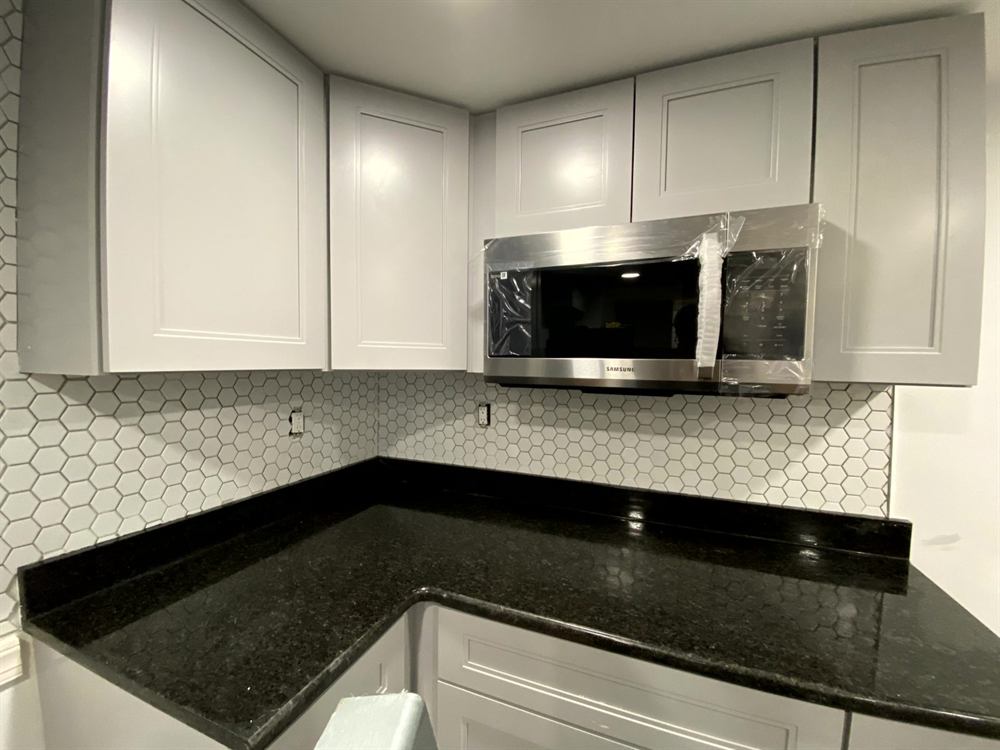
Color selection impacts perceived space dimensions and ambient brightness. Lighter flooring shades expand visual space and reflect natural light, benefiting smaller kitchens. Darker tones ground expansive kitchens and hide soil between cleanings. Medium tones offer versatility that transitions well between different lighting conditions throughout the day.
For comprehensive guidance on coordinating flooring with other kitchen elements, consult our complete guide to kitchen renovation, which addresses design integration across all project components.
Making the Right Choice for Your Philadelphia Kitchen
Selecting optimal kitchen flooring requires balancing multiple factors specific to household needs and preferences. Consider these key decision points:
- Moisture exposure level: Kitchens with dishwashers, large families or frequent cooking benefit from superior water resistance found in porcelain tile or waterproof LVP.
- Traffic patterns: High-traffic households need maximum durability, pointing toward porcelain or quality LVP with thick wear layers.
- Comfort priorities: Homeowners valuing underfoot comfort during extended standing periods often prefer LVP’s cushioned feel.
- Design vision: Specific aesthetic goals may favor tile’s pattern flexibility or wood-look plank formats in LVP and laminate.
- Installation timeline: Projects requiring quick completion may benefit from floating floor systems like LVP or laminate.
- Long-term plans: Homeowners planning to stay long-term might prioritize porcelain’s longevity, while those considering near-term moves might choose cost-effective options.
Professional assessment helps clarify which material best suits individual circumstances. Experienced contractors evaluate subfloor conditions, moisture levels, room layout and household usage patterns to recommend appropriate solutions. Licensed professionals also ensure proper installation that maximizes product performance and longevity.
Professional Installation Advantages
While some flooring products accommodate DIY installation, professional services deliver multiple benefits that justify the investment. Experienced installers properly prepare subfloors, address moisture barriers, ensure level surfaces and follow manufacturer specifications that protect product warranties.
Professional installation particularly benefits tile projects, where improper techniques lead to cracking, lippage and grout failure. Specialized tools and years of experience produce results that maintain structural integrity and visual appeal throughout the floor’s lifespan.
Working with a licensed remodeler in Philadelphia provides additional peace of mind through insurance coverage, quality guarantees and accountability. Established local contractors understand regional building codes and moisture considerations specific to Philadelphia area homes.
Protecting Your Investment Through Proper Care
Regardless of material selection, appropriate maintenance preserves appearance and extends functional life. Each flooring type benefits from specific care practices:
For tile floors: Sweep or vacuum regularly to remove abrasive dirt particles. Clean with pH-neutral tile cleaners and avoid acidic products that etch surfaces. Seal grout lines annually and address any cracked tiles promptly to prevent water infiltration.
For LVP floors: Remove dirt with soft brooms or microfiber dust mops. Clean with manufacturer-recommended vinyl floor cleaners. Place mats at entry points to minimize tracked-in debris. Avoid rubber-backed rugs that may cause discoloration.
For laminate floors: Use barely damp mops rather than wet mopping. Clean spills immediately to prevent moisture penetration. Avoid abrasive cleaners or steam mops that may damage protective layers. Use furniture pads to prevent scratching.
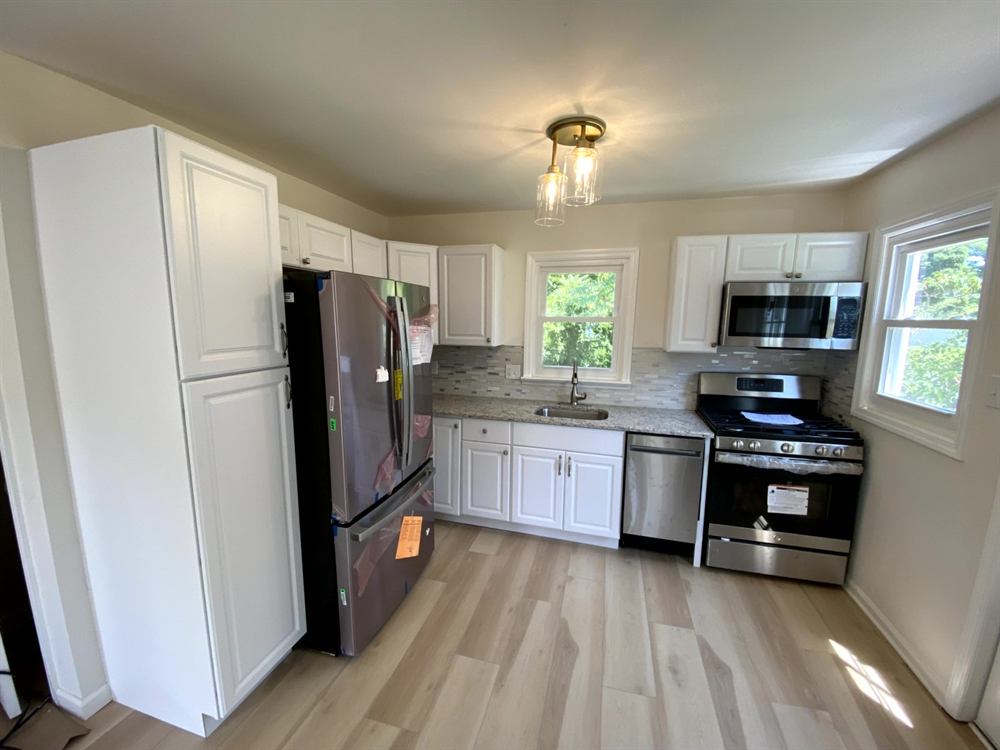
Establishing routine cleaning habits prevents buildup that causes premature wear. Simple daily attention maintains flooring appearance far more effectively than periodic deep cleaning alone.
Conclusion: Creating Your Ideal Kitchen Foundation
Kitchen flooring selection influences daily comfort, maintenance requirements and overall satisfaction with renovation results. Ceramic, porcelain, LVP and laminate each offer distinct advantages suited to different priorities and circumstances. Porcelain delivers maximum durability and water resistance for demanding environments. LVP balances comfort, aesthetics and moisture protection. Ceramic provides time-tested performance with design versatility. Laminate offers economical entry into quality flooring.
Philadelphia homeowners benefit from consulting experienced professionals who understand local conditions and can recommend solutions tailored to specific needs. Proper material selection combined with expert installation creates kitchen foundations that support household activities reliably for years to come.
Reliable Home Remodeling brings extensive experience with all kitchen flooring types to Philadelphia area homes. The team helps homeowners navigate material options, understand performance characteristics and select flooring that aligns with lifestyle requirements and aesthetic preferences. From initial consultation through final installation, the focus remains on delivering quality craftsmanship that produces lasting satisfaction.
Ready to explore flooring options for your kitchen project? Request a free estimate to discuss your vision with experienced professionals who prioritize transparent communication and exceptional results. Discover how the right flooring choice transforms your kitchen into a space that combines beauty, durability and everyday functionality.
Frequently Asked Questions
Can I install kitchen flooring over existing tile?
Installation over existing tile is possible with certain materials, particularly LVP and laminate that use floating installation methods. The existing tile surface must be level, clean and firmly bonded to the subfloor. High or low spots may require leveling compound. Porcelain and ceramic tile installations typically benefit from removing old flooring to ensure proper adhesion and avoid excessive floor height. Professional assessment determines whether existing surfaces adequately support new flooring or require removal.
How long does kitchen floor installation typically take?
Installation timelines vary based on material type, room size and preparation requirements. Floating floors like LVP or laminate often install in one to two days for average kitchens. Tile installations typically require three to five days, including subfloor preparation, tile setting, grout application and curing time. Complex patterns, large rooms or significant subfloor repairs extend timelines. Professional installers provide accurate estimates after evaluating specific project conditions.
Which flooring option works best with radiant heating systems?
Tile materials, both ceramic and porcelain, conduct heat most efficiently and pair ideally with radiant heating systems. The thermal mass of tile absorbs and distributes heat evenly throughout the floor surface. LVP also works with radiant heating, though temperature limitations apply to prevent material warping. Always verify specific product compatibility with radiant systems before installation. Laminate suitability varies by product, requiring manufacturer confirmation. Professional installers experienced with radiant systems ensure proper integration that maximizes heating performance.
How do I choose between wood-look tile and actual LVP planks?
The decision often centers on priorities between authenticity and practicality. Wood-look porcelain tile offers superior durability, hardness and longevity while replicating wood grain patterns. The surface feels like tile underfoot, cooler and harder than vinyl. LVP provides more authentic texture, warmth and comfort similar to actual wood while maintaining excellent water resistance. LVP also installs more quickly and costs less than porcelain. Consider whether tile’s extreme durability or vinyl’s comfort and realism better serves your household needs and design preferences.
What thickness should I choose for LVP flooring?
LVP thickness typically ranges from six to eight millimeters for residential applications, with wear layer thickness being equally important. Look for wear layers of 12 mil or thicker for kitchen environments that experience regular traffic and potential impact from dropped items. Thicker overall products provide better sound insulation and feel more substantial underfoot. However, excessive thickness may create transition challenges with adjacent rooms. Balance overall thickness with wear layer protection for optimal performance in kitchen settings.