How to Choose a Licensed and Insured Kitchen Remodeler in Philadelphia
Choosing a licensed and insured kitchen remodeler is one of the most important decisions homeowners make when planning a renovation. In Philadelphia, where remodeling standards and regulations ensure safety and quality, working with properly credentialed professionals protects your investment, minimizes risk and increases the likelihood of a successful outcome. Whether you are updating countertops, reconfiguring your layout or undertaking a complete transformation, the contractor you select will directly impact your budget, timeline and overall satisfaction.
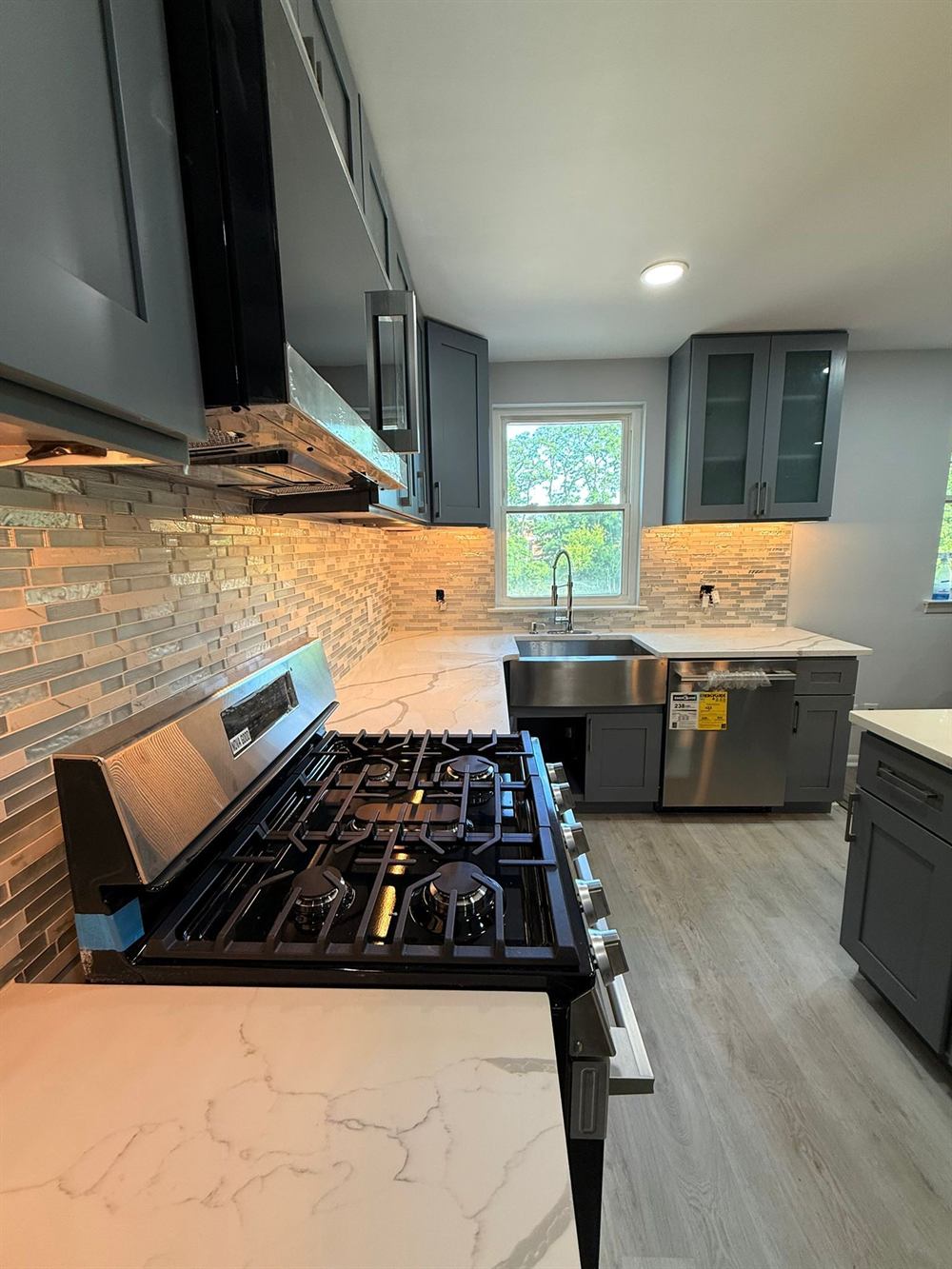
This guide provides a clear framework for evaluating kitchen remodelers in the Philadelphia area, covering essential credentials, key questions to ask, warning signs to watch for and practical tips to ensure you hire a team committed to transparency, quality and professionalism.
Why Licensing and Insurance Matter for Kitchen Renovation
Licensing and insurance are not just administrative formalities. They represent a contractor’s commitment to legal compliance, professional standards and accountability. In Pennsylvania, licensed contractors must meet specific requirements related to training, experience and financial responsibility, which helps ensure they are capable of managing complex remodeling projects safely and effectively.
Insurance coverage protects homeowners from liability in the event of accidents, property damage or workmanship issues. A remodeler with both general liability and workers’ compensation insurance shields you from financial exposure if an injury occurs on your property or if damage happens during construction. Without these protections, you could be held personally responsible for medical bills, repairs or legal claims.
Hiring a kitchen renovation professional who carries proper credentials also signals professionalism and reliability. These contractors are more likely to adhere to local building codes, pull necessary permits and follow industry best practices, all of which contribute to lasting results and increased home value.
Key Credentials to Verify Before Hiring
Before signing any agreement, take the time to verify the contractor’s credentials thoroughly. This step protects you from unlicensed operators and ensures the team you hire is qualified to handle your project from planning through completion.
Pennsylvania Home Improvement Contractor License
In Pennsylvania, any contractor performing home improvement work above a certain threshold must register with the Office of the Attorney General. This registration provides a level of consumer protection and accountability. Ask your prospective remodeler for their registration number and verify it online through the Pennsylvania Attorney General’s website.
General Liability Insurance
General liability insurance covers property damage and third-party injuries that may occur during your kitchen remodel. Request a certificate of insurance directly from the contractor’s insurance provider, not just a photocopy. The certificate should list coverage amounts, effective dates and the insured party’s name.
Workers’ Compensation Insurance
If the remodeling company employs workers, they should carry workers’ compensation insurance. This protects you from liability if a worker is injured on your property. Verify this coverage with the same diligence you apply to general liability insurance.
Local Business Licenses and Permits
Depending on the scope of your kitchen remodeling project, the contractor may need to pull permits for plumbing, electrical or structural work. A reputable professional will handle permitting as part of their service and ensure all work complies with Philadelphia building codes.
Questions to Ask During Initial Consultations
Once you have verified credentials, schedule consultations with multiple contractors. Use these meetings to assess their expertise, communication style and project approach. Asking the right questions helps you compare options objectively and identify the best fit for your needs.
- How long have you been performing kitchen renovations in Philadelphia? Experience in the local market means familiarity with regional building codes, supplier networks and common home structures.
- Can you provide references from recent kitchen projects? Speaking with past clients offers insight into the contractor’s reliability, quality of work and customer service.
- What is your process for managing timelines and budgets? Clear project management practices reduce the risk of delays and cost overruns.
- Who will be on site daily, and how do you handle subcontractors? Understanding the team structure and supervision ensures accountability throughout the project.
- How do you handle changes or unexpected issues? A contractor’s approach to change orders and problem-solving reveals their flexibility and transparency.
- What warranties or guarantees do you offer? Quality contractors stand behind their work with written warranties on labor and materials.
Take notes during each consultation and compare responses. Pay attention not only to what contractors say but also to how they communicate. Professionalism, responsiveness and clarity are strong indicators of how the working relationship will unfold.
Red Flags to Watch For When Evaluating Contractors
Certain warning signs should prompt you to reconsider a contractor, no matter how appealing their initial proposal may seem. Recognizing these red flags early can save you time, money and frustration.
Major red flags include: reluctance to provide proof of insurance, requests for large upfront payments, lack of written contracts, vague project timelines, unwillingness to pull permits and poor communication during the bidding process.
If a contractor pressures you to make a quick decision, offers a quote significantly lower than competitors without clear justification or cannot provide references, proceed with caution. These behaviors often indicate inexperience, financial instability or unethical business practices.
Another warning sign is a contractor who discourages you from obtaining permits or suggests cutting corners to save time. Proper permitting protects you legally and ensures your renovation meets safety standards. Skipping this step can lead to fines, failed inspections or complications when you sell your home.
Understanding the Written Contract and Scope of Work
A detailed, written contract is essential for any kitchen renovation project. This document should outline the scope of work, materials to be used, project timeline, payment schedule and warranty terms. Never proceed with verbal agreements alone, as they offer no legal protection if disputes arise.
The scope of work should describe each phase of the project in clear language, specifying tasks such as demolition, cabinetry installation, plumbing updates, interior painting and flooring installation. Any exclusions should also be listed to avoid misunderstandings later.
Payment terms should be structured around project milestones, not large upfront deposits. A common schedule includes an initial deposit, progress payments at key stages and a final payment upon satisfactory completion. Avoid contractors who demand full payment before the project begins.
Review the contract carefully before signing. If anything is unclear, ask for clarification. A trustworthy contractor will be happy to explain terms and make adjustments as needed to ensure mutual understanding.
Checking Reviews and Reputation in the Philadelphia Market
Online reviews and local reputation provide valuable insight into a contractor’s track record. Platforms such as Google, Yelp and Houzz feature ratings and testimonials from real customers, highlighting strengths and weaknesses you may not discover through consultations alone.
Look for patterns in reviews. Consistent praise for quality workmanship, punctuality and professionalism is a strong indicator of reliability. Conversely, repeated complaints about missed deadlines, poor communication or incomplete work should raise concerns.
In addition to online reviews, ask the contractor for direct references. Contact these homeowners and ask about their experience, including how the contractor handled challenges, whether the project stayed on budget and if they would hire the team again. Referrals from friends, family or neighbors who have completed kitchen renovations can also be highly reliable.
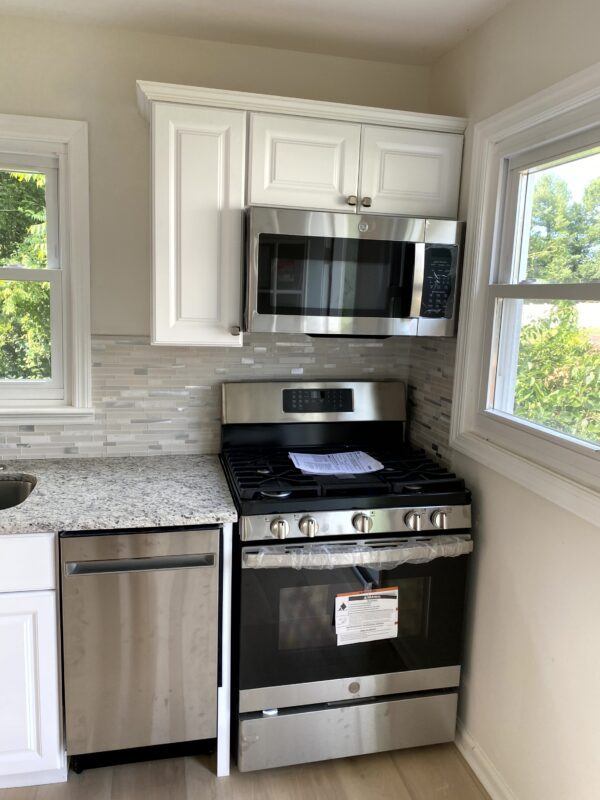
For a deeper understanding of how to plan and execute a successful kitchen transformation, explore our comprehensive resource on kitchen renovation in Philadelphia, which covers everything from design trends to budgeting strategies.
The Role of Transparency in Building Trust
Transparency is a hallmark of quality contractors. From the initial estimate through project completion, a trustworthy remodeler communicates openly about costs, timelines, potential issues and solutions. They provide itemized quotes, explain pricing clearly and update you regularly on progress.
Transparent contractors also encourage questions and welcome homeowner involvement. They understand that your kitchen is a significant investment and that you deserve to be informed every step of the way. This openness builds trust and creates a collaborative environment where concerns can be addressed promptly.
If a contractor avoids direct answers, provides vague estimates or becomes defensive when questioned, these behaviors suggest a lack of transparency. Choose a team that prioritizes clear, honest communication and treats your project with the respect it deserves.
Comparing Multiple Estimates Effectively
Obtaining estimates from at least three contractors allows you to compare pricing, scope and approach. However, the lowest bid is not always the best choice. Focus on value rather than price alone.
When reviewing estimates, ensure each one covers the same scope of work. If one quote is significantly lower, it may exclude important tasks or use inferior materials. Ask for clarification on any discrepancies and request detailed breakdowns of labor, materials and other costs.
Consider the overall package each contractor offers, including their experience, communication style, warranty terms and reputation. A slightly higher estimate from a highly rated, licensed professional often represents better long-term value than a low bid from an unproven contractor.
Understanding the Project Timeline and Communication Plan
A realistic timeline is crucial for managing expectations and minimizing disruption. Experienced contractors provide detailed schedules that outline each phase of the project, from demolition to final walkthrough. They also build in buffer time for unexpected delays, such as supply chain issues or weather-related setbacks.
Discuss the communication plan upfront. How often will you receive updates? Who is your primary point of contact? How should you report concerns or request changes? Establishing these protocols early prevents confusion and ensures you stay informed throughout the renovation.
Reliable contractors also respect your home and daily routine. They arrive on time, maintain a clean work site and minimize noise and disruption whenever possible. These practices reflect professionalism and consideration for your living environment.
Ensuring Code Compliance and Quality Standards
Adherence to local building codes is not optional. Proper permitting and inspections ensure your kitchen renovation meets safety and structural standards, protecting your family and preserving your home’s value. Licensed contractors understand these requirements and handle the permitting process as part of their service.
Ask your contractor about their approach to code compliance and quality control. Do they conduct internal inspections before scheduling municipal inspections? How do they address issues identified during inspections? A commitment to quality and compliance demonstrates integrity and attention to detail.

In addition to code requirements, discuss the materials and methods the contractor plans to use. High-quality materials and proven installation techniques contribute to durability and long-term satisfaction. A contractor who prioritizes craftsmanship over shortcuts delivers results that stand the test of time.
Working with a Team You Can Trust
Beyond credentials and contracts, the relationship you build with your contractor matters. Remodeling projects involve frequent communication, decision-making and collaboration. Choose a team that listens to your vision, respects your input and works diligently to bring your ideas to life.
Trustworthy contractors treat your home with care, keep you informed and address concerns promptly. They deliver on promises, honor commitments and stand behind their work with solid warranties. This level of service transforms a stressful process into a rewarding experience.
If you are planning a broader renovation beyond the kitchen, consider contractors who offer a range of services, such as bathroom renovation, basement remodeling or whole house renovation. Working with a single, reliable team across multiple projects ensures consistency, familiarity and streamlined coordination.
Frequently Asked Questions
What licenses should a kitchen remodeler have in Philadelphia?
In Pennsylvania, contractors performing home improvement work must register with the Office of the Attorney General. Verify this registration online before hiring. Depending on the scope of work, the contractor may also need trade-specific licenses for plumbing or electrical work.
Why is insurance important when hiring a kitchen remodeler?
Insurance protects you from financial liability if accidents, injuries or property damage occur during the renovation. General liability insurance covers damage to your home, while workers’ compensation insurance protects you if a worker is injured on your property.
How can I verify a contractor’s credentials?
Request the contractor’s registration number and verify it through the Pennsylvania Attorney General’s website. Also, ask for certificates of insurance directly from their insurance provider, confirming coverage amounts and effective dates.
What should be included in a written contract?
A comprehensive contract should outline the scope of work, materials to be used, project timeline, payment schedule, warranty terms and procedures for handling changes or disputes. Never proceed without a signed, detailed agreement.
How do I compare estimates from different contractors?
Ensure each estimate covers the same scope of work and materials. Look beyond price alone and consider the contractor’s experience, reputation, communication style and warranty offerings. The best value comes from a balance of fair pricing and proven quality.
Take the Next Step Toward Your Dream Kitchen
Choosing a licensed and insured kitchen remodeler in Philadelphia requires careful research, thoughtful questions and attention to detail. By verifying credentials, reviewing contracts, checking references and prioritizing transparency, you set the foundation for a successful renovation that enhances your home’s beauty, functionality and value.
When you partner with a professional team committed to quality craftsmanship and customer satisfaction, your kitchen transformation becomes a rewarding investment. If you are ready to move forward with confidence, contact Reliable Home Remodeling to request a free estimate and discuss your vision with experienced, licensed professionals dedicated to bringing it to life.